1. Body height clear out work
In there groups, do contact hits on each shoulder. Stand 2m apart and take turns doing hits against bag
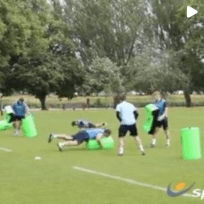
2. Crocodile role
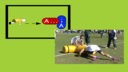
One player lies on top of a tackle sausage (long way round), the group of 4 take turns swapping roles of being tackled and tackler. Focus is the crocodile role.
3. Clear out.
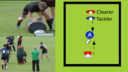
One player stands over the top of tackle bag competing for the ball. Other player arrives from 2m away to clear out the player, to prevent the threat of stealing the ball.
3. Bounce and compete
Players lay either side of the a ball. When whistle goes, both players bounce off the floor, one competes for the ball while the other focuses on clear out or crocodile role.
Do 3 sets of 2mins. Repetitive drill.
1. Body Height
Sink from Hips.
Low - High hit.
Look through eyebrows.
Boxer stance.
Big impact - power from legs.
Leg Drive.
2. Crocodile roll
Impact is key - Hard shoulder hit.
Ring of steal - tight grip around player.
Grab leavers - Arms.
Use body weight to remove threat away from ball.
3. Clear out
Bounce off the floor - use hips and fire up.
Aim for leavers and weak spots on defenders - Arms, Elbows.
Leg drive.
Body height low.
Speed of contact.

in more ways than one
 sportplan_netball
in more ways than one
sportplan_rugby
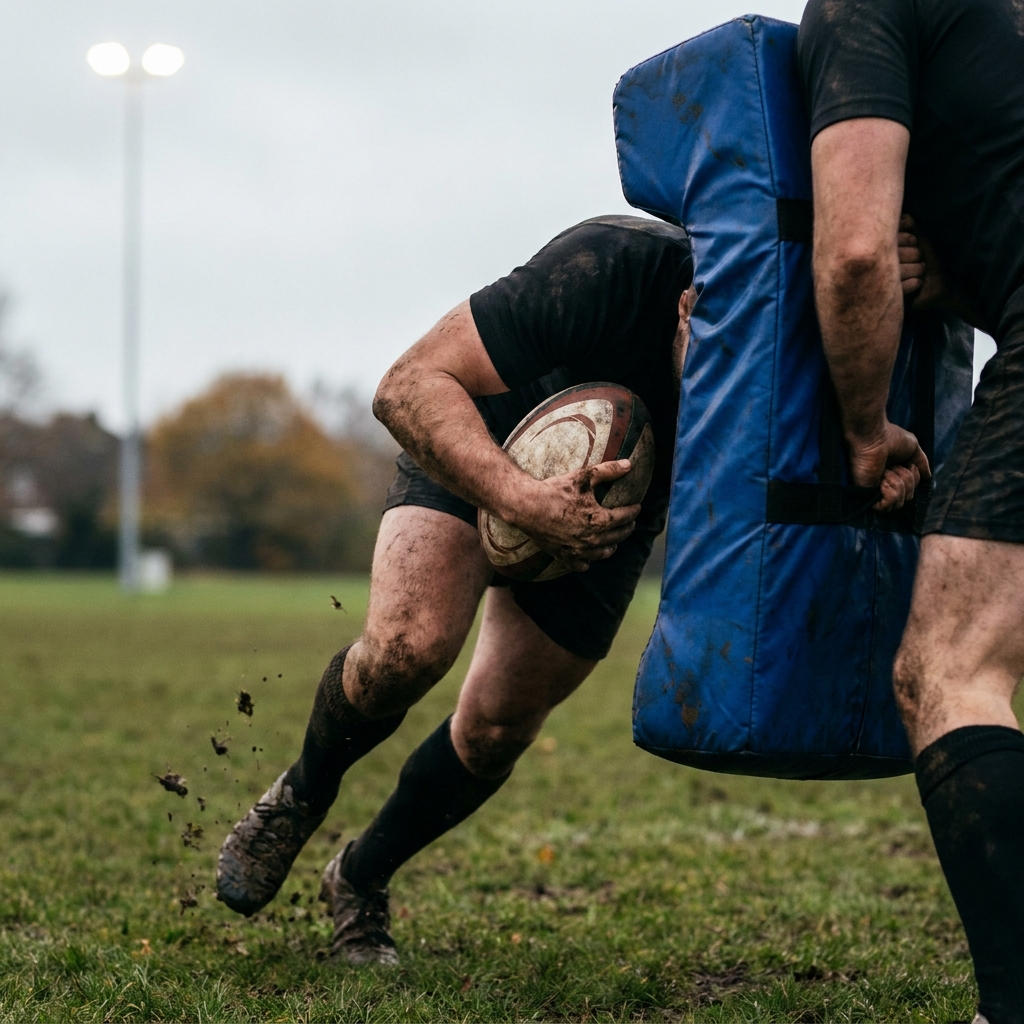
Tacklers are aiming lower, so carriers who dip late put heads at risk. Teach footwork, a strong early body height and leg drive to win the collision safely.

The hooker's brake foot moved from trial into full law in July 2026. Here is how to coach it so your front row stays stable, legal and safe.
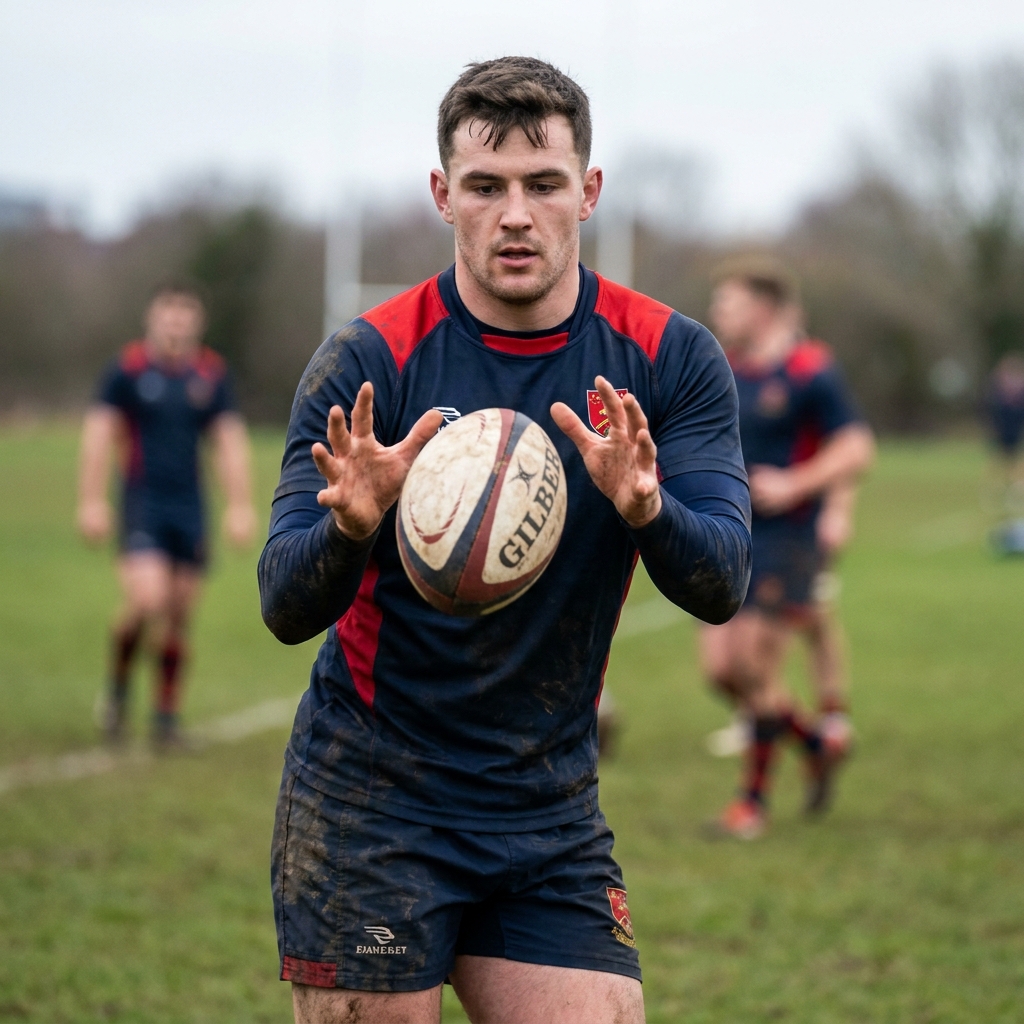
Your players can pass beautifully in a warm-up grid. Then a defender closes, their lungs are burning, and the ball goes to ground. Here is how to build catch-pass skills that hold up when it matters.