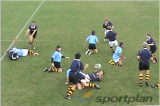
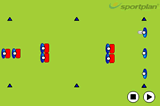
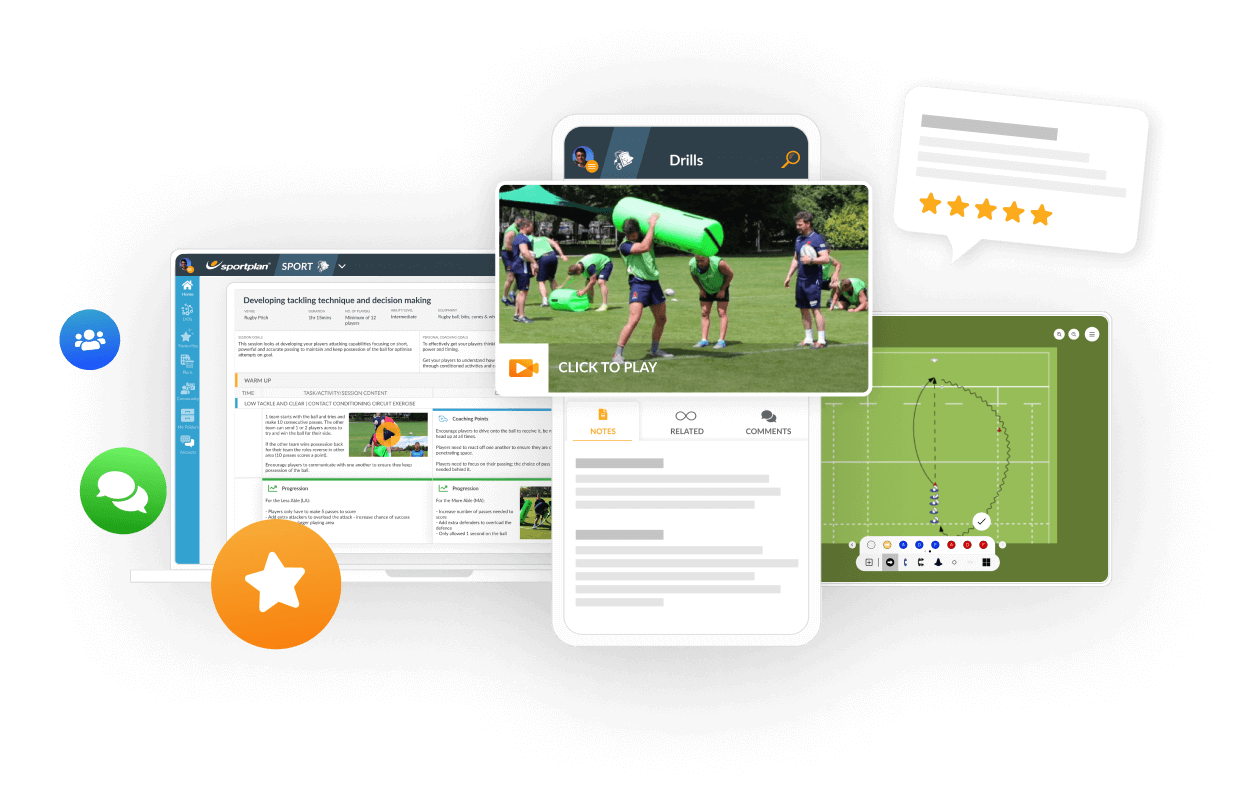
Playing area of 25m in length - adjust width to suit numbers- equal numbers in both teams
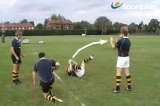
Full LEG tackles ONLY - ball carrier when tackled can off load immediately or IF no support present when support arrives - game continues until knock or forward pass occurs. When a try is scored the try scorer turns to attack the other try line game continues playing the opposite way. No rucks or mauls.
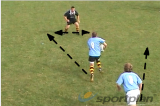
Fix defenders and attack space- encourage - Go Forward - momentum and close support.
The game should be played at maximum pace. Encourage support runners to stay deep and follow ball carrier into the space being attacked.
Encourage players to think one phase ahead - that is to make a decision they cannot get through untouched so going to attack the space and off load to left or right - this encourages players to read the micro situations which occur when confronted with a flat defensive line. Encourage movement away from restart area when good forward momentum has been achieved.
Highlight leg tackles ONLY and support players to react quickly to the contact area.
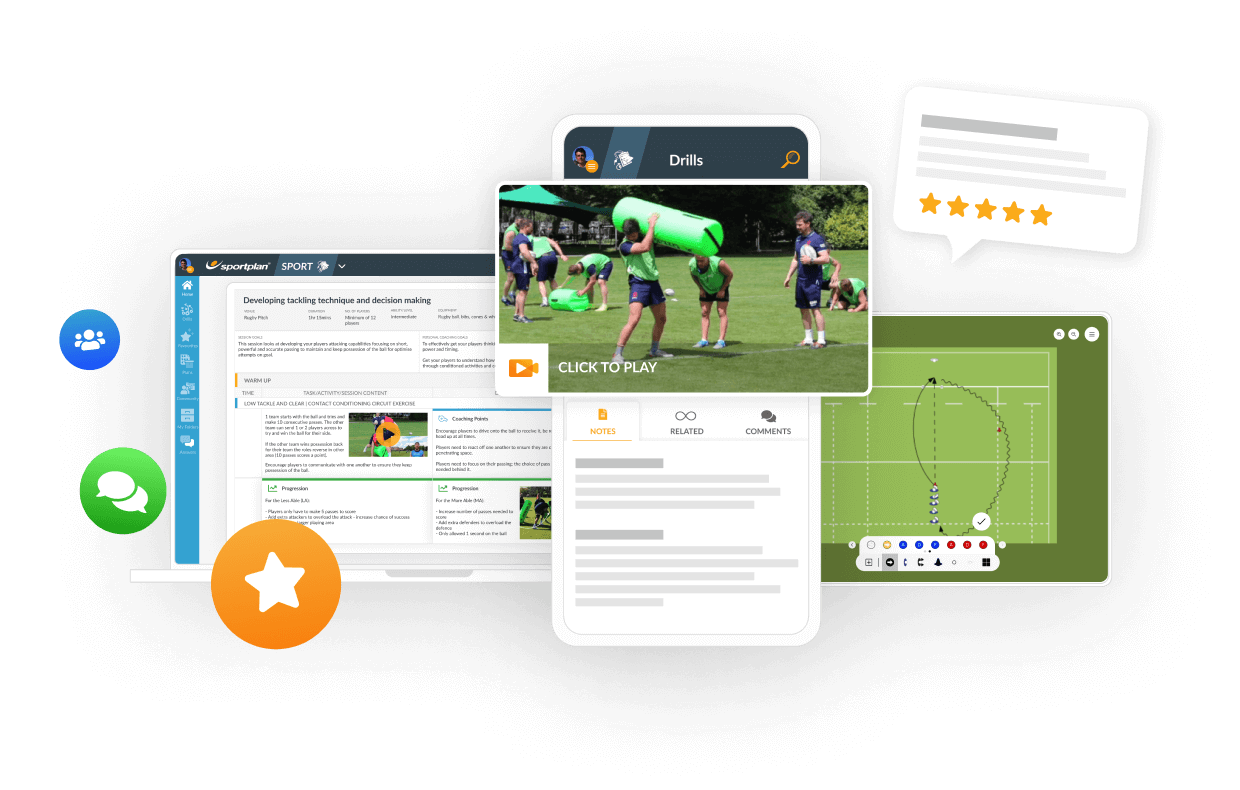
in more ways than one
 sportplan_netball

in more ways than one
sportplan_rugby

Tacklers are aiming lower, so carriers who dip late put heads at risk. Teach footwork, a strong early body height and leg drive to win the collision safely.

The hooker's brake foot moved from trial into full law in July 2026. Here is how to coach it so your front row stays stable, legal and safe.
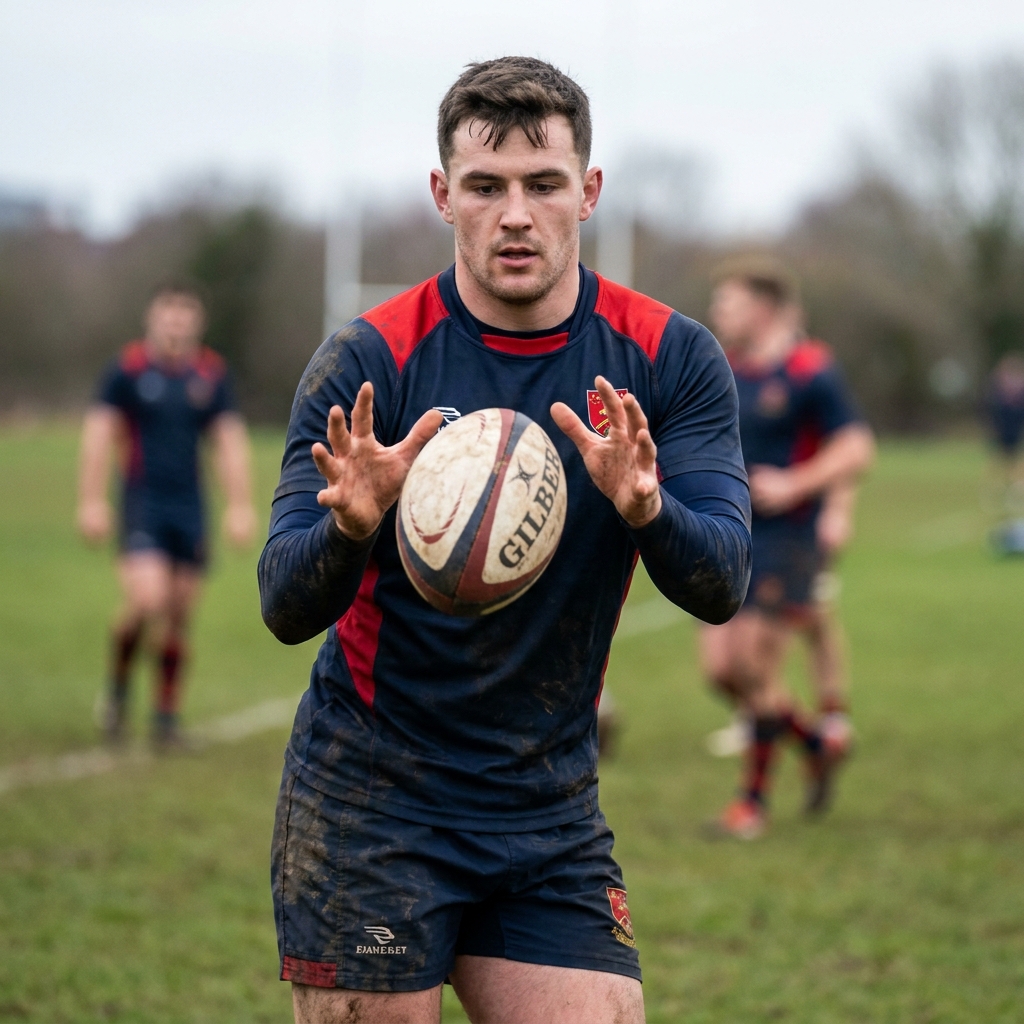
Your players can pass beautifully in a warm-up grid. Then a defender closes, their lungs are burning, and the ball goes to ground. Here is how to build catch-pass skills that hold up when it matters.