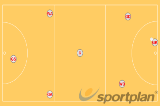
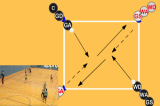
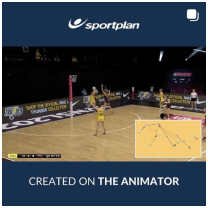
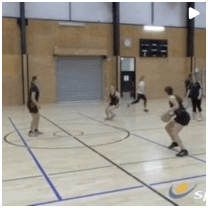
Feeder, 2 attackers, 3 defenders.
Feeder starts play from the Centre Circle. The attacker runs forward off the third line into the middle third to receive the ball, marked by a defender. They then pass a lateral ball to the feeder who has moved out to the side, where there is another defender acting as a 3ft mark.
The attacker runs into a space in the end third to receive the ball back. When they have received the ball again they pass to an attacker in the circle, who is also marked. The defender in the circle (GK) can help the other defender if they get shut out. However if both defenders get drawn to the attacker then the feeder can pass straight to the GS in the circle.
If the Defender over-commits to a run then the GK can call to cover the Attacker.
D1 is aiming to dictate the Attacker either narrow or wide.
If
Or
Make sure they contest every pass and recover. If they miss an intercept they should get their feet back to 3ft distance and arms up immediately
They need to keep on their toes for agility

in more ways than one
 sportplan_netball

in more ways than one
sportplan_netball
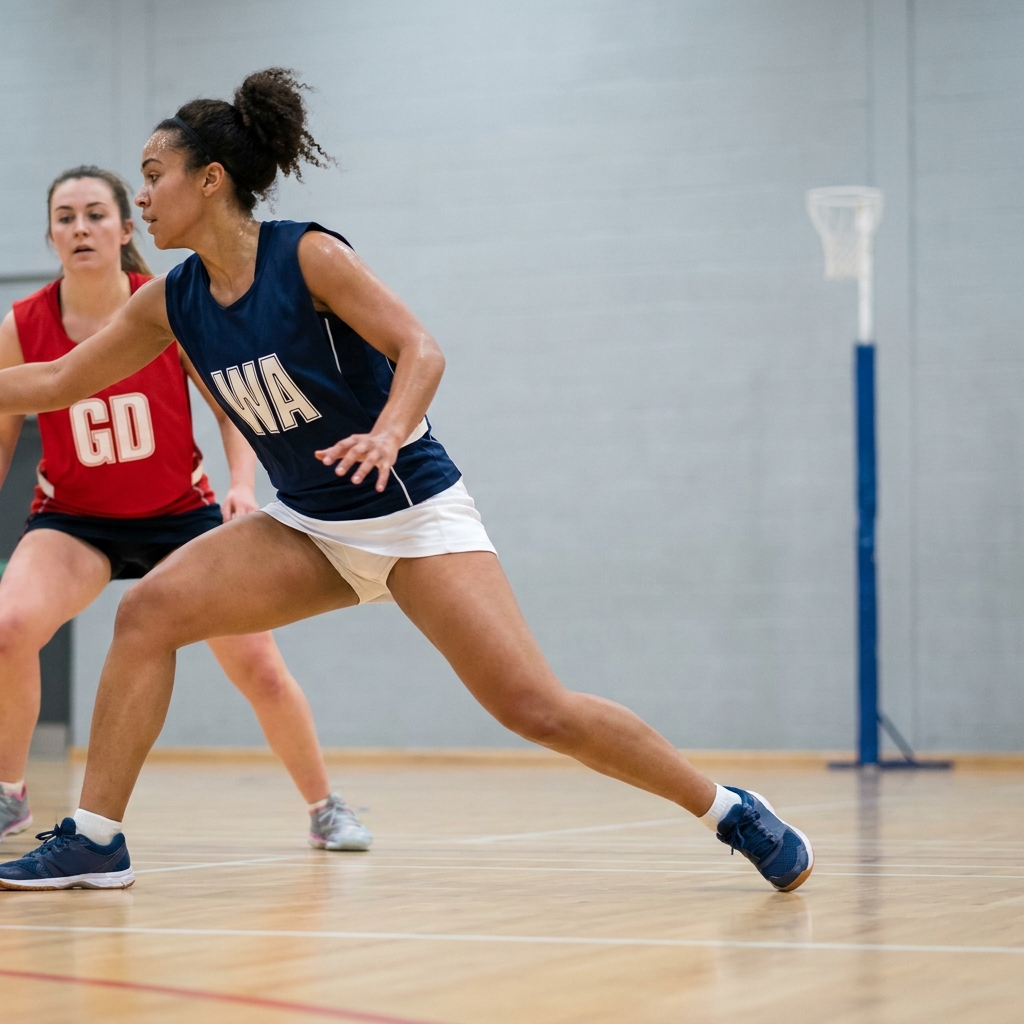
Tight markers win when attackers run in straight lines. Teach your players to dodge, change pace and time their drive so they get free when the ball is ready.
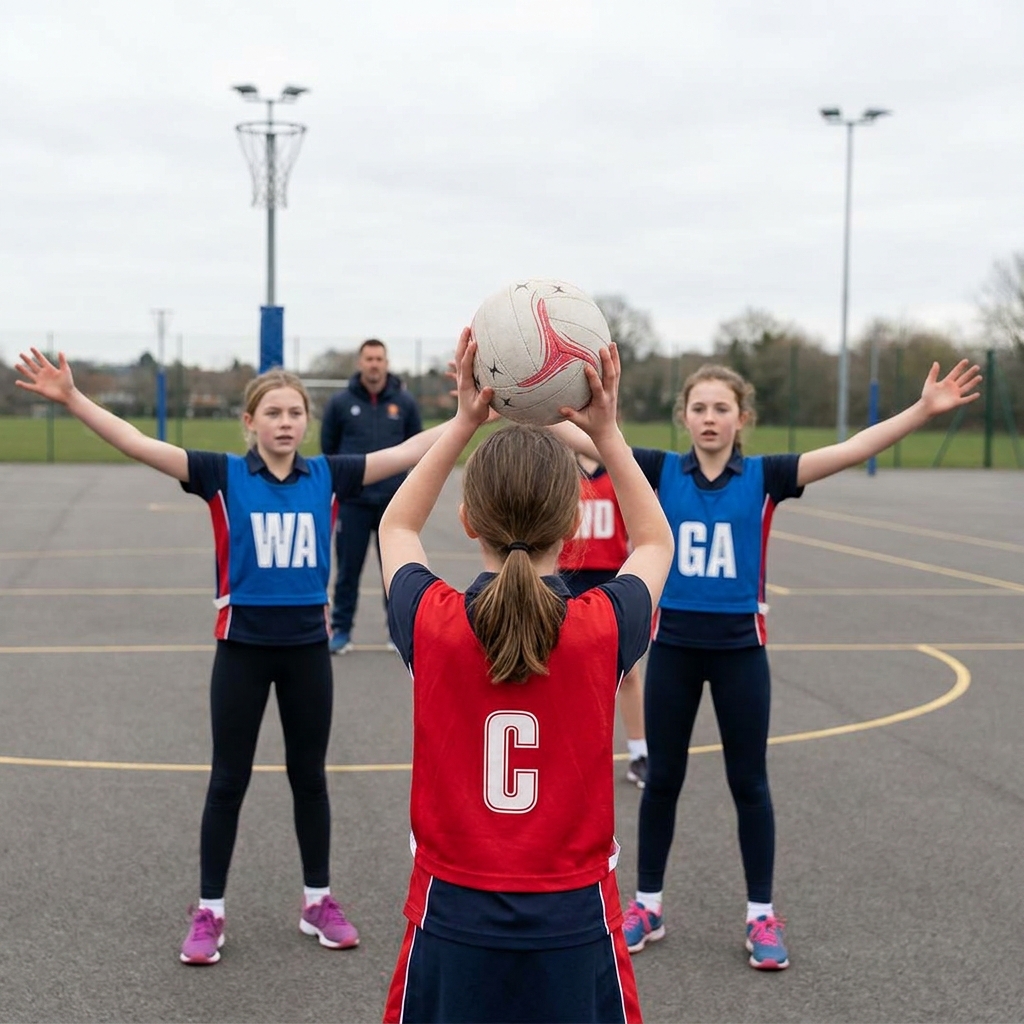
When everyone chases the ball, nobody is free. Teach your team to spread out, offer two options and clear space so the ball moves cleanly down court.
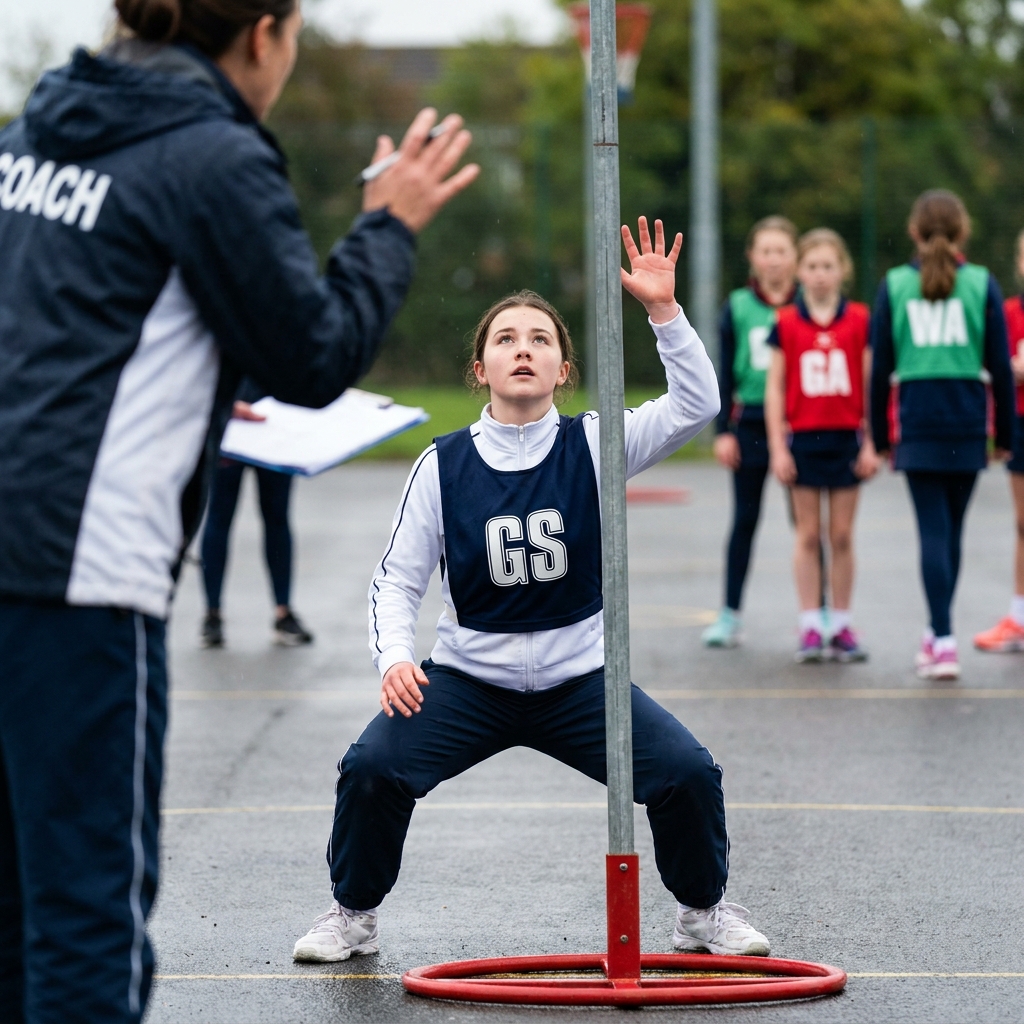
A shooter who can hold a strong position under the post is worth more than one who runs all over the circle. Here is how to coach body shape, a legal hold and a well-timed release, and how feeders make the most of it.