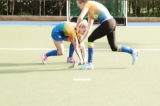
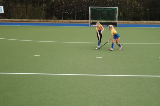
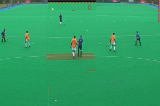
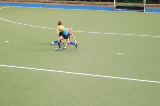
- Set up a small area, with 2 forwards and 2 defenders
- The forward players should dribble towards the weaker side (the left foot) of the defender
- The defender should perform a low, reverse stick challenge
- This is a defending drill, and therefore the forwards should be playing quite passively
- Defenders should be in playing position (left foot forward, using their body to manipulate the attackers direction)
- As the forward moves to the weak side, the defender should pivot off their right foot, and move the stick across the left
- This type of challenge should be used when necessary, and shouldn't been seen as a replacement for moving the body around and tackling on the strong side
- The forwards can become active, allowing them to move towards both feet. This will stop the defending setting themselves
- The forwards should move at a faster pace, so the defender understands the force required to dispossess a sprinting player

in more ways than one
 sportplan_netball



in more ways than one
sportplan_hockey

A few weeks into the league season, poor first touches are costing teams the ball. Coach body shape, scanning and receiving on the move to keep possession.

Pre-season fitness fades fast once the league starts. Build conditioning into ball work and use rolling subs well to keep your squad sharp all season.

The first weeks of the season decide whether a junior or new player sticks with adult hockey. Here is how to keep them safe, give them a clear job and build their confidence from the very first bully.