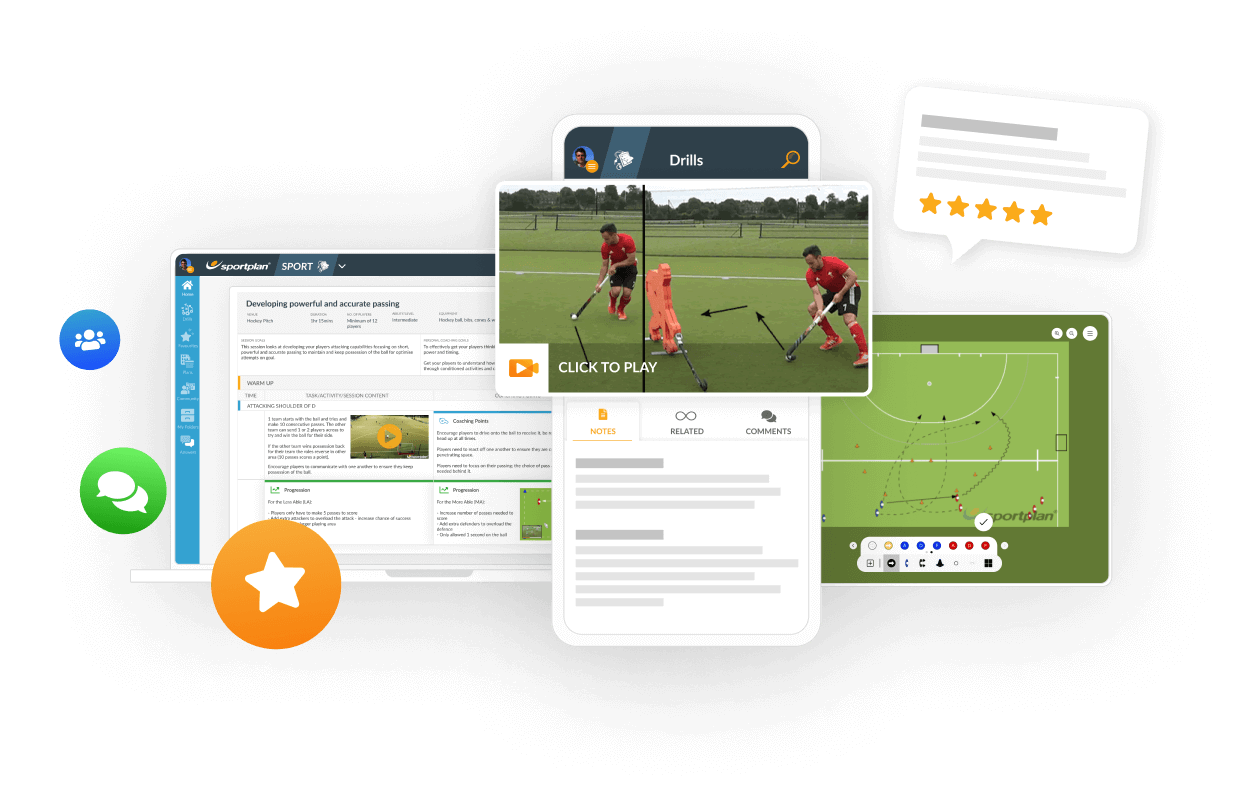
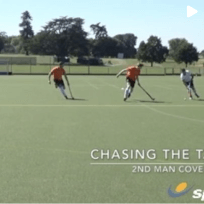
A1 has sideline ball just inside the attacking 23. A1 passes to A2 and then sprints towards the cones to recieve the pass back from A2. Once A2 recieves the ball D1 moves to intercept A1. Once A2 has returned the ball to A1, A2 then creates an overlap. A1 rounds the cones and looks to play the ball to A2 and then looks to create space by taking D1 away. D1 can either choose to intercept A2 or stay with A1 and allow A2 to carry the ball further into the 23. A2 looking to play the fast pass into A1 for deflection infront of the keeper.
The movements between A1 and A2 need to be dynamic, so as not to give D1 time to get set or for additional defenders to get back. D1 should have a slight advantage at the start as D1 should be quicker without the ball than A1 is with the ball. D1 should be trying to isolate the ball carrier to negate the overload.
This practice has no coaching points
This practice has no progressions
in more ways than one
 sportplan_hockey
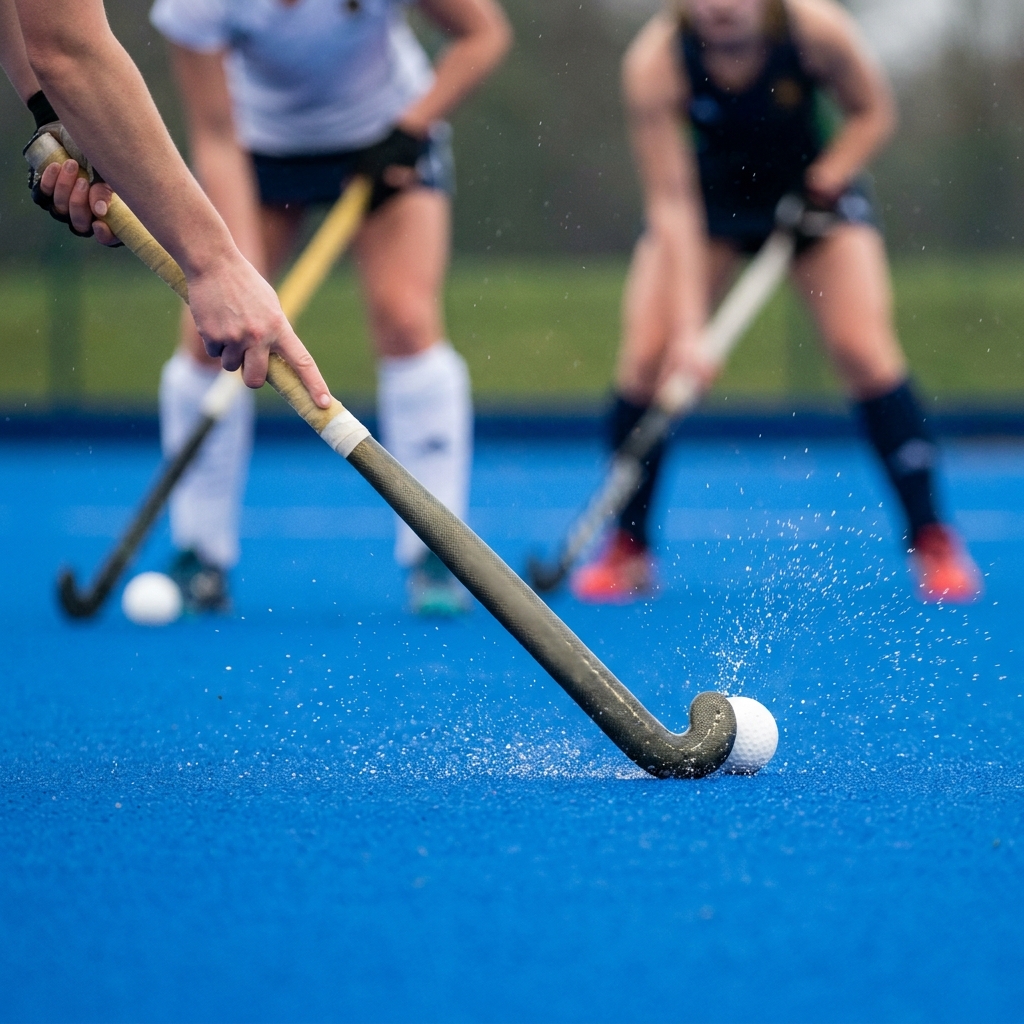
A few weeks into the league season, poor first touches are costing teams the ball. Coach body shape, scanning and receiving on the move to keep possession.
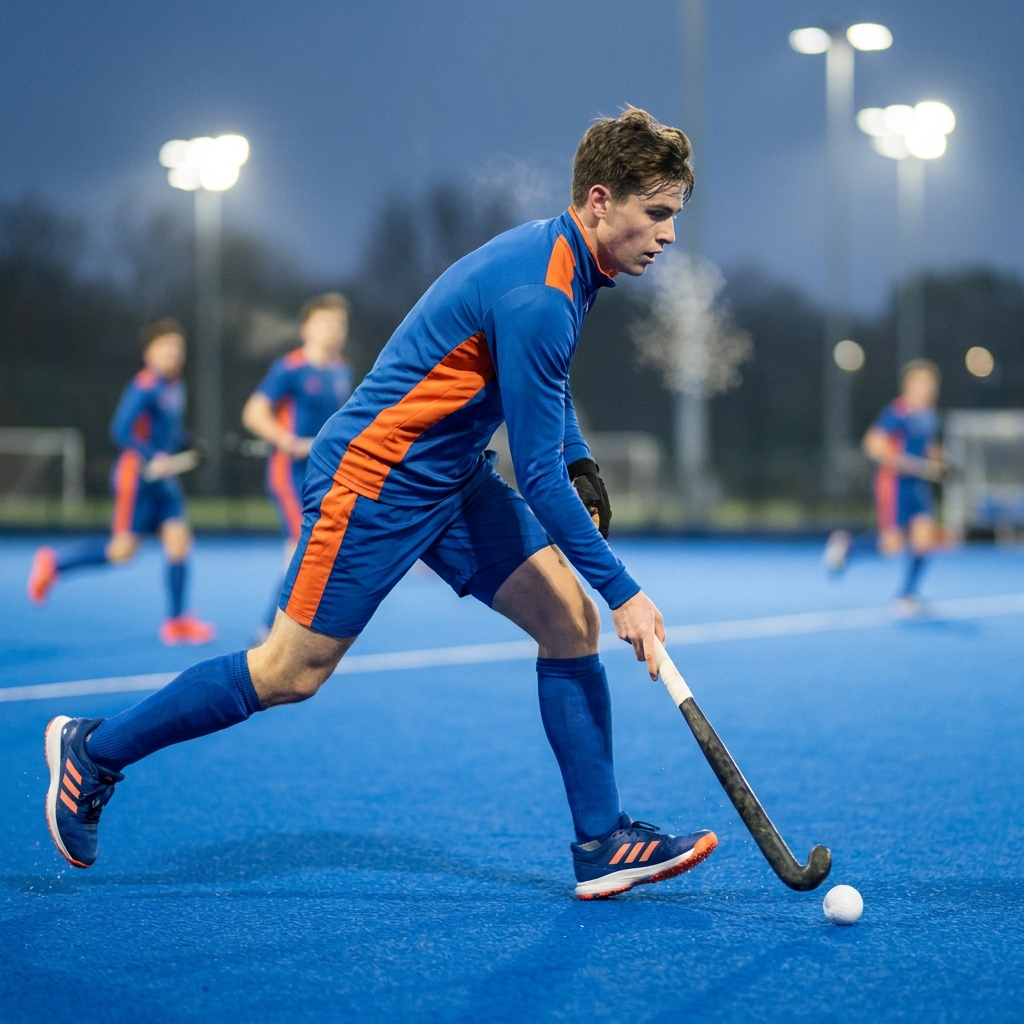
Pre-season fitness fades fast once the league starts. Build conditioning into ball work and use rolling subs well to keep your squad sharp all season.
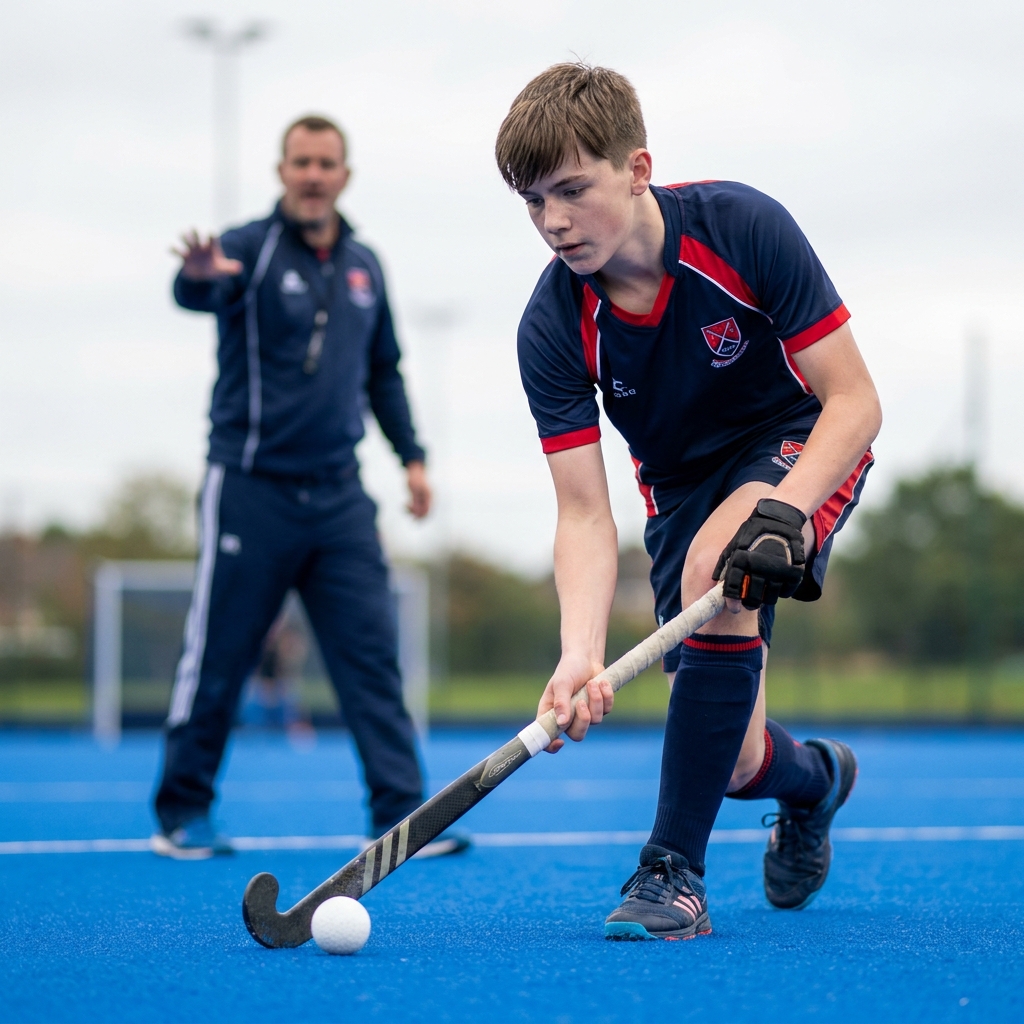
The first weeks of the season decide whether a junior or new player sticks with adult hockey. Here is how to keep them safe, give them a clear job and build their confidence from the very first bully.