1. Passing lines
Players are put into teams of four. 10m wide area. The ball starts at one end. On coaches whistle, the ball is passed along the line and then back the other way, with the players standing still. Check technique and feedback on how to improve.
Next, challenge the players with passing races. Or, set a time limit and see if the lines improve their scores after several attempts.
Progression: Stationary Pass, Walking pace, Jogging pace, fast run pace

in more ways than one
 sportplan_netball



in more ways than one
sportplan_rugby

Your players can pass beautifully in a warm-up grid. Then a defender closes, their lungs are burning, and the ball goes to ground. Here is how to build catch-pass skills that hold up when it matters.

A box kick or up-and-under is only as good as the chase behind it. Here is how to organise your chase line, compete in the air safely, and make sure your own catchers are ready for what comes next.
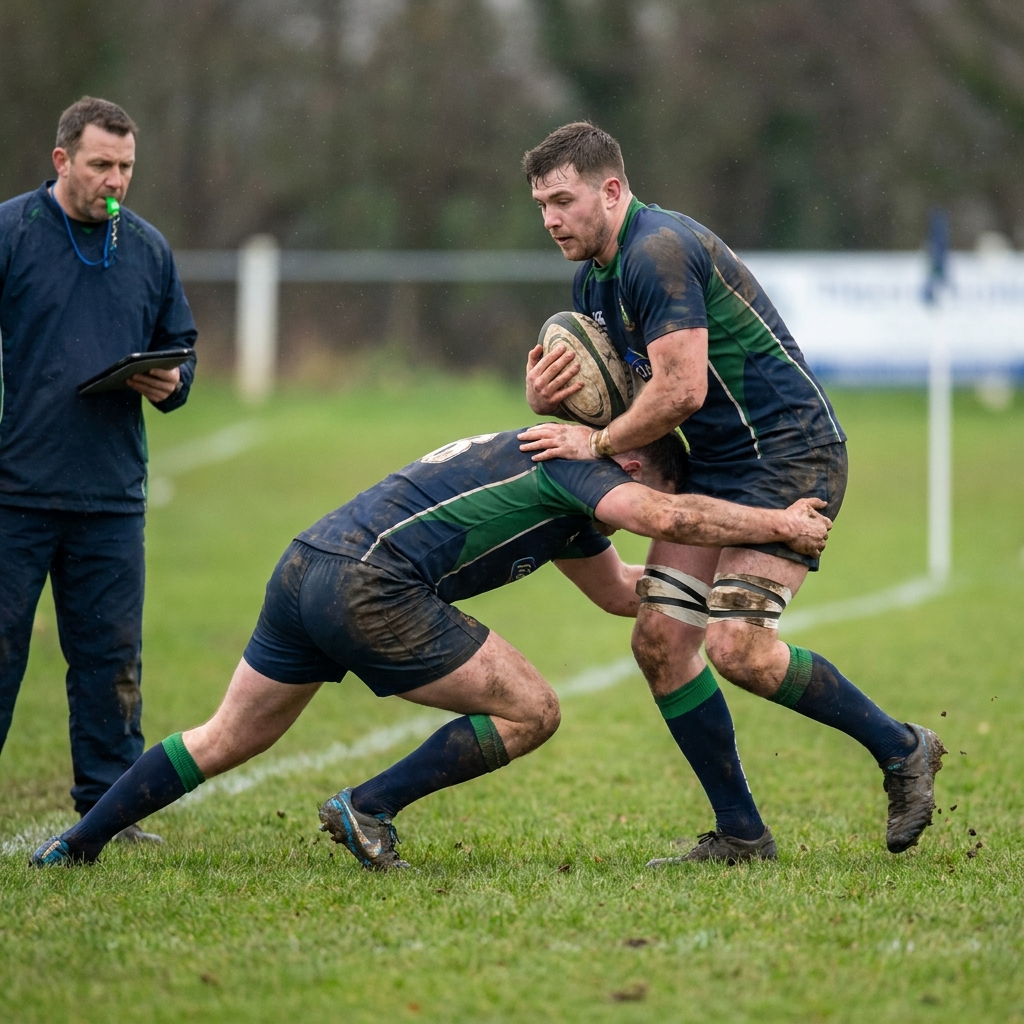
World Rugby's lower tackle height is no longer a trial. It is law in community rugby from this season, and unions choose waist or base of the sternum. Here is how to retrain your defence.