Red: D Blue: O
Set up a narrow channel, with three attackers facing one defender. One attacker picks up the ball and drives into the defender.
The supporting player directly behind him, binds onto the ball carrier (never the ball). He pushes ("rockets") the ball carrier through the defender. The ball and players will eventually go to ground.
A second supporting player picks up the ball and goes round into the next channel, where you repeat the drill.
-Add more defenders in each channel to progress the drill
-Tell additional defenders that they can try to help in the ruck or that they can be ready on the D line - it's up to them and what is the best decision
-If D is struggling to get ball carrier down, supporting O needs to push ball carrier through
-After a certain number of phases, ball carrier can choose to pass to support player
-Support player must be ready to 1. Rocket ball carrier if they are being held up 2. Support ball carrier by rucking once ball is to ground 3. Be ready to receive a pass
What to look for as an issue:

in more ways than one
 sportplan_netball


in more ways than one
sportplan_rugby

Your players can pass beautifully in a warm-up grid. Then a defender closes, their lungs are burning, and the ball goes to ground. Here is how to build catch-pass skills that hold up when it matters.

A box kick or up-and-under is only as good as the chase behind it. Here is how to organise your chase line, compete in the air safely, and make sure your own catchers are ready for what comes next.
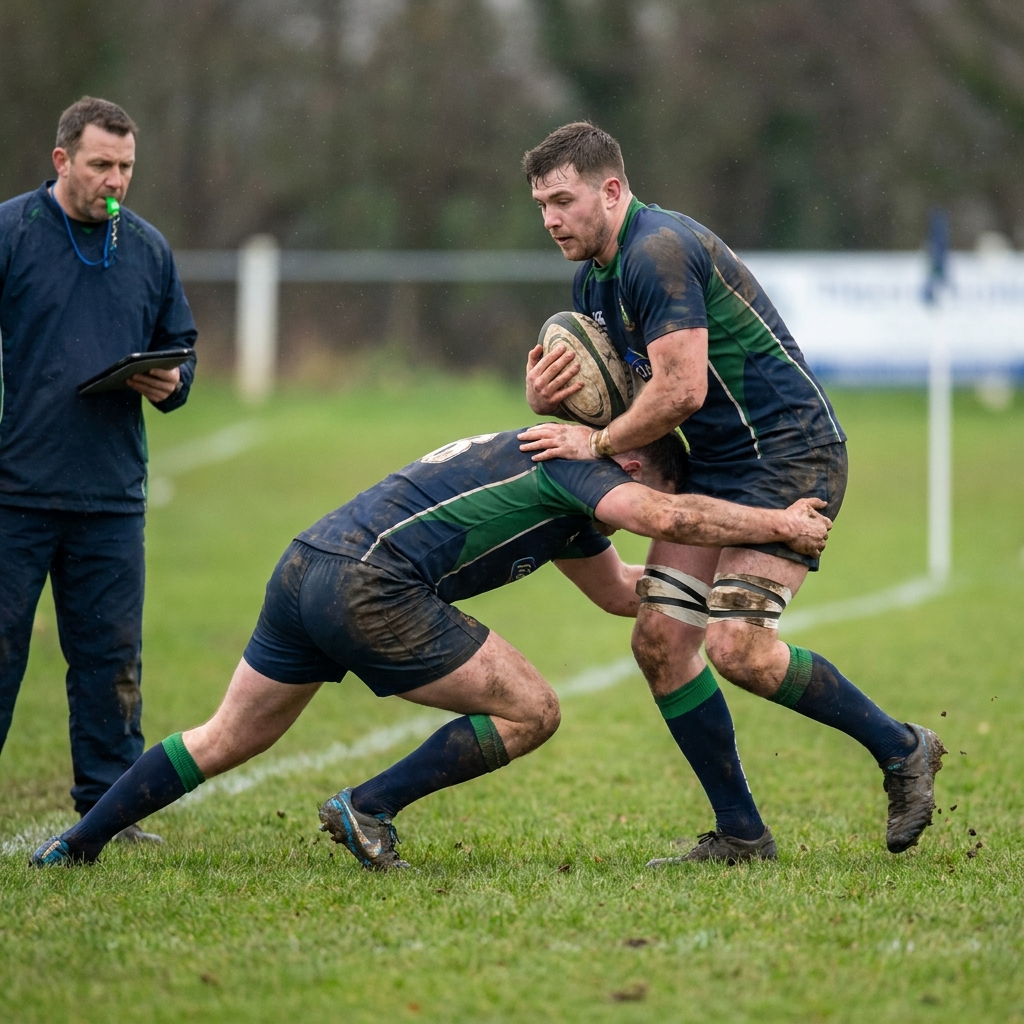
World Rugby's lower tackle height is no longer a trial. It is law in community rugby from this season, and unions choose waist or base of the sternum. Here is how to retrain your defence.