The warm up for this session is called Rugby Tennis, it works mainly on kicking, however, I am using it so that the players can try to work out where a ball is going to go and try to following its movement. Thinks links nicely with the line-outs in the later session becasue players need to be able to work out wherether a ball is going to them.
Rugby tennis inolves 2 teams at opposite ends of a pitch in five sections. The game starts with two balls and can be done with any number of players on each team. The teams kick the ball to the opposition with the aim of getting the ball to hit the floor, if the opposing team catches it then can kick it right back, but if it is dropped the kicking team gain 1 point for the closest box and 2 for the furthest box. The ball cannot be kicked in dead ground which is the centre box but it can be picked up.

in more ways than one
 sportplan_netball



in more ways than one
sportplan_rugby

Your players can pass beautifully in a warm-up grid. Then a defender closes, their lungs are burning, and the ball goes to ground. Here is how to build catch-pass skills that hold up when it matters.

A box kick or up-and-under is only as good as the chase behind it. Here is how to organise your chase line, compete in the air safely, and make sure your own catchers are ready for what comes next.
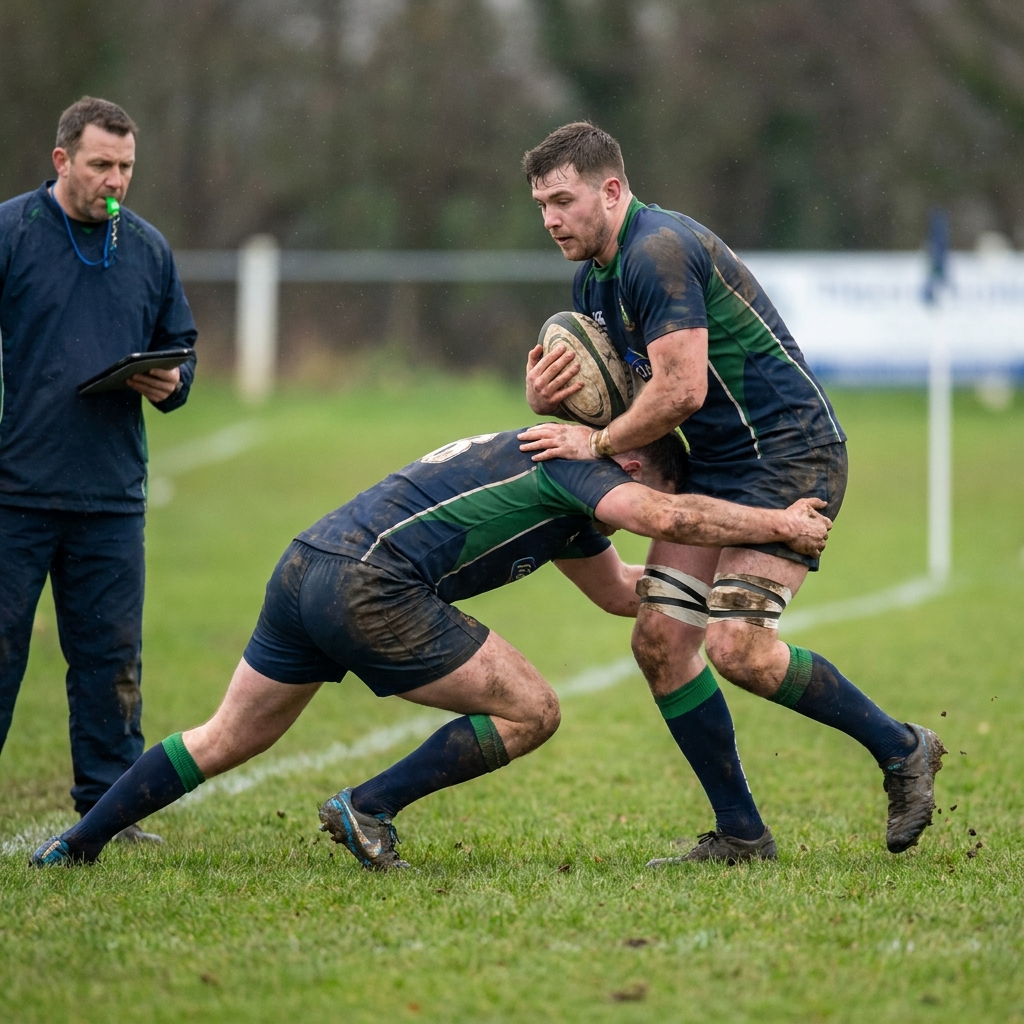
World Rugby's lower tackle height is no longer a trial. It is law in community rugby from this season, and unions choose waist or base of the sternum. Here is how to retrain your defence.