- Pick 4-7 defenders who must defend around 4-8 phases of play.
- The Defenders start at one side of the playing area.
- On the whistle, Defence move into defend the nearest ruck.
- The attackers have one phase to try and beat the defenders.
- Once the tackle is made or ball is lost etc. the attack is over and the defence move onto defend next ruck.
- The coach dictates the speed of ball as to make it easier or harder for defence.
- The defence work for 4-8 separate attacks even if this means defending the same group more than once. This means that will work back and forth across the area
- Predominantly a defensive practise. Can be used to look at set up around ruck, set up of defence, defence in open play
- Clarify positioning and roles of ABC around ruck
- Consistent line speed and good press trying to take away metres form the attack
- After single phase, this be can used to coach quick set up of defensive patterns around ruck
- May also be used as an attacking practise (seperately or at same time). How do we set up in open play, what options can we use to make sure our 1 opportunity counts

in more ways than one
 sportplan_netball

in more ways than one
sportplan_rugby

Your players can pass beautifully in a warm-up grid. Then a defender closes, their lungs are burning, and the ball goes to ground. Here is how to build catch-pass skills that hold up when it matters.
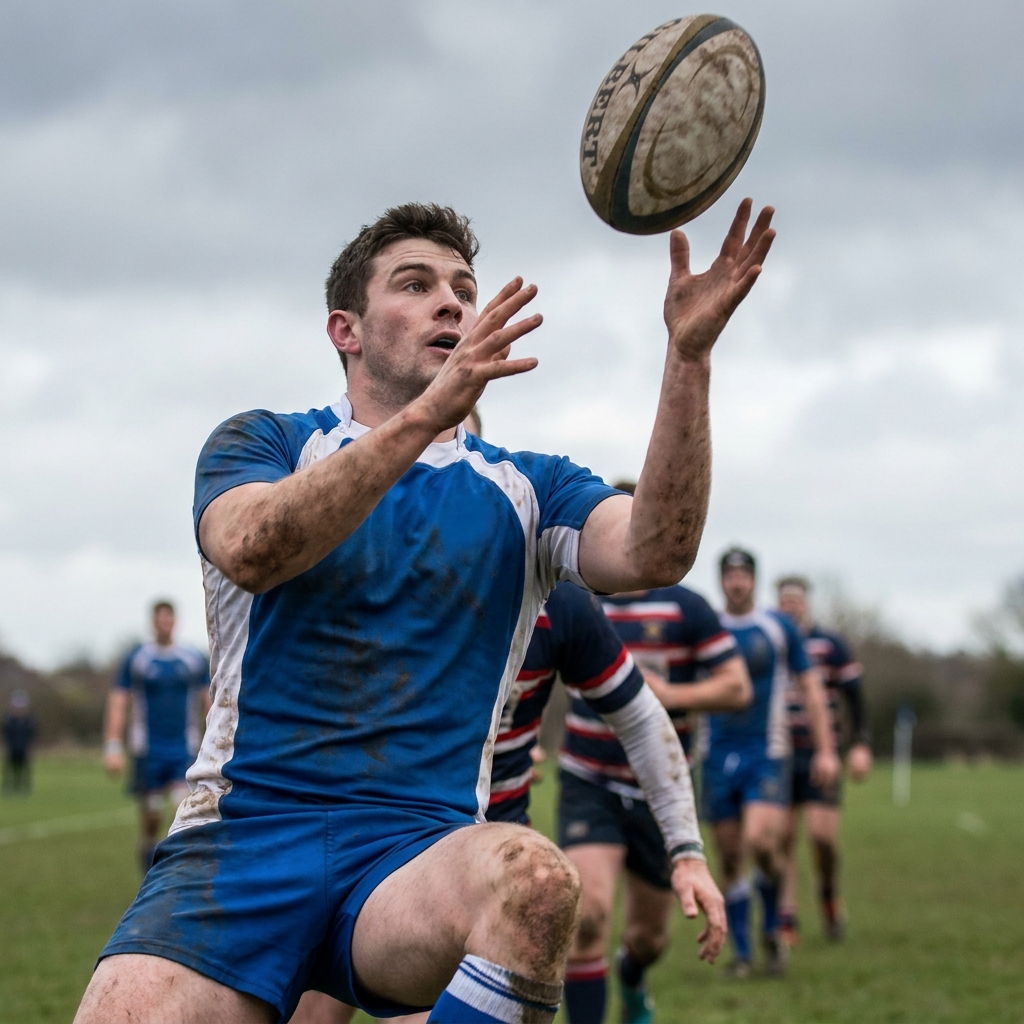
A box kick or up-and-under is only as good as the chase behind it. Here is how to organise your chase line, compete in the air safely, and make sure your own catchers are ready for what comes next.
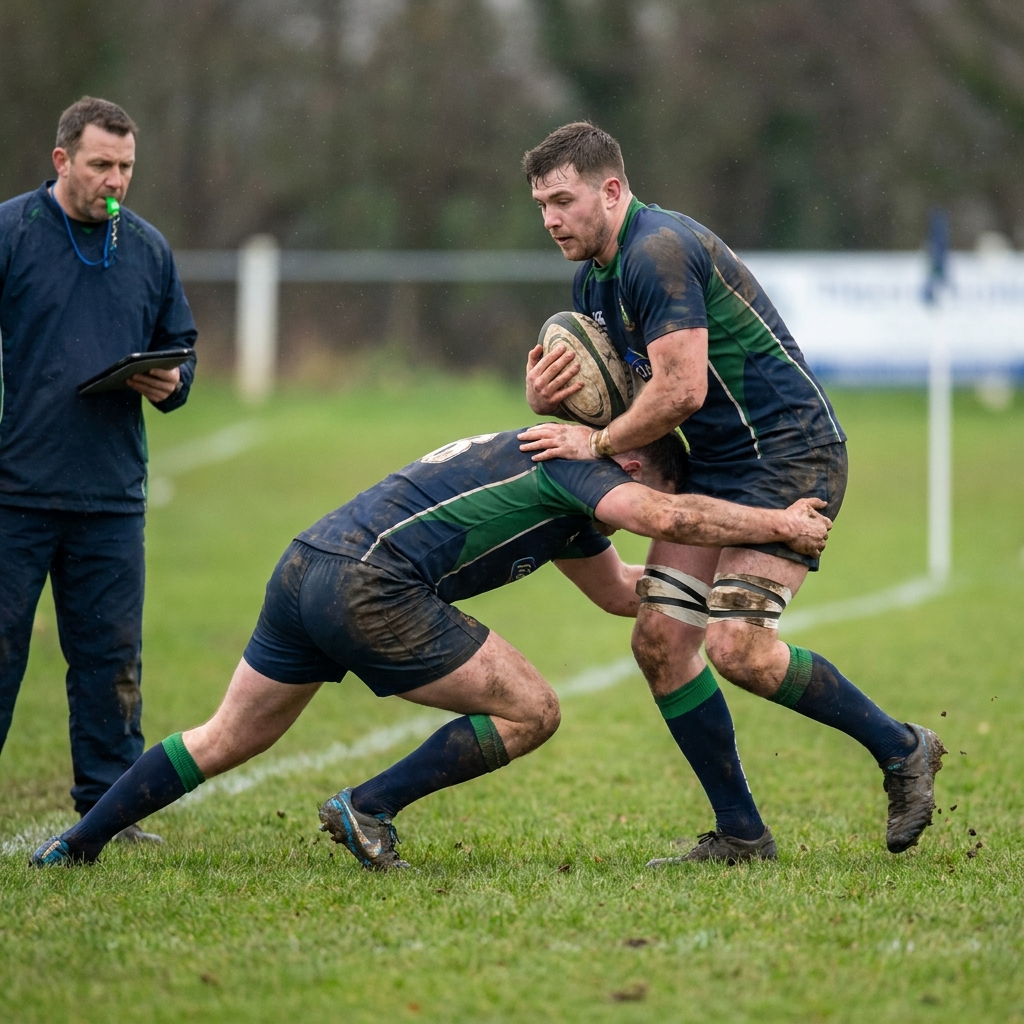
World Rugby's lower tackle height is no longer a trial. It is law in community rugby from this season, and unions choose waist or base of the sternum. Here is how to retrain your defence.