These plays are perfect for younger teams as they only require one set up with the 10 making the call as to who gets the ball
1000: 1000 is your basic switch move 10 runs cross fields and drops the ball behind to 12.
2000: 10 runs cross field, dummies to 12 and gives to 13
3000:10 runs cross field, dummies to 12 gives to 13 who gives an indide ball to 15.
for these plays 12 and 13 want to be almost flat with eachother but spread out at least 10-15m dependent on your 10s passing skills.
15 should be directly in between 13 and 13 plus 5m back.
1000 and in some cases 2000 are used as wrecking balls if you have giant centres so promoting ball carrying skills and contact work is advisable.
Communication is key. As you can probably imagine naming the plays "thousand" may create some confusion if players do not hear correctly. whether you wish to change the names of the plays to suit your team or you choose to incorporate some form of communication exercise or penalty for lack of communication is up to the coach.
In these plays the wingers do not get used so coaches must find a way to keep players interested while other are learning the play. this could involve having all players learn these plays despite playing out of position.

in more ways than one
 sportplan_netball
in more ways than one
sportplan_rugby
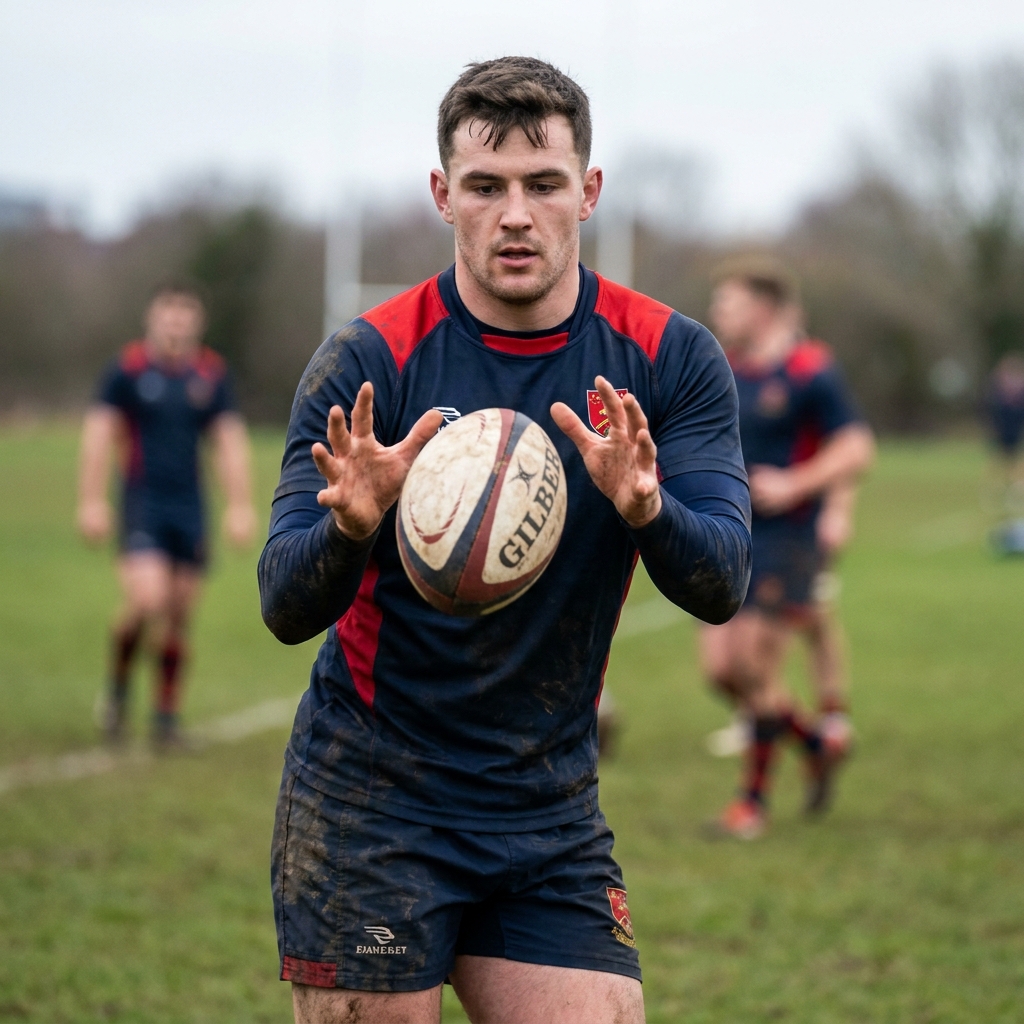
Your players can pass beautifully in a warm-up grid. Then a defender closes, their lungs are burning, and the ball goes to ground. Here is how to build catch-pass skills that hold up when it matters.
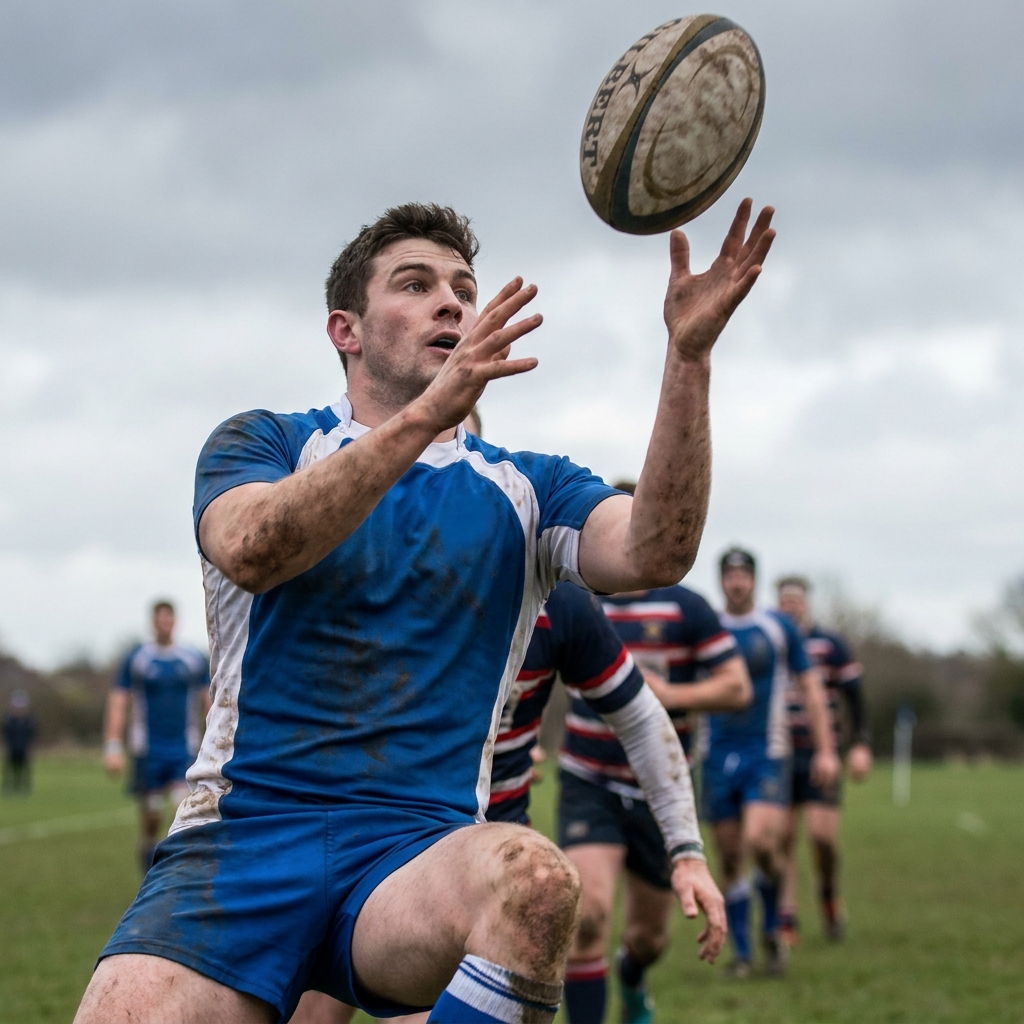
A box kick or up-and-under is only as good as the chase behind it. Here is how to organise your chase line, compete in the air safely, and make sure your own catchers are ready for what comes next.
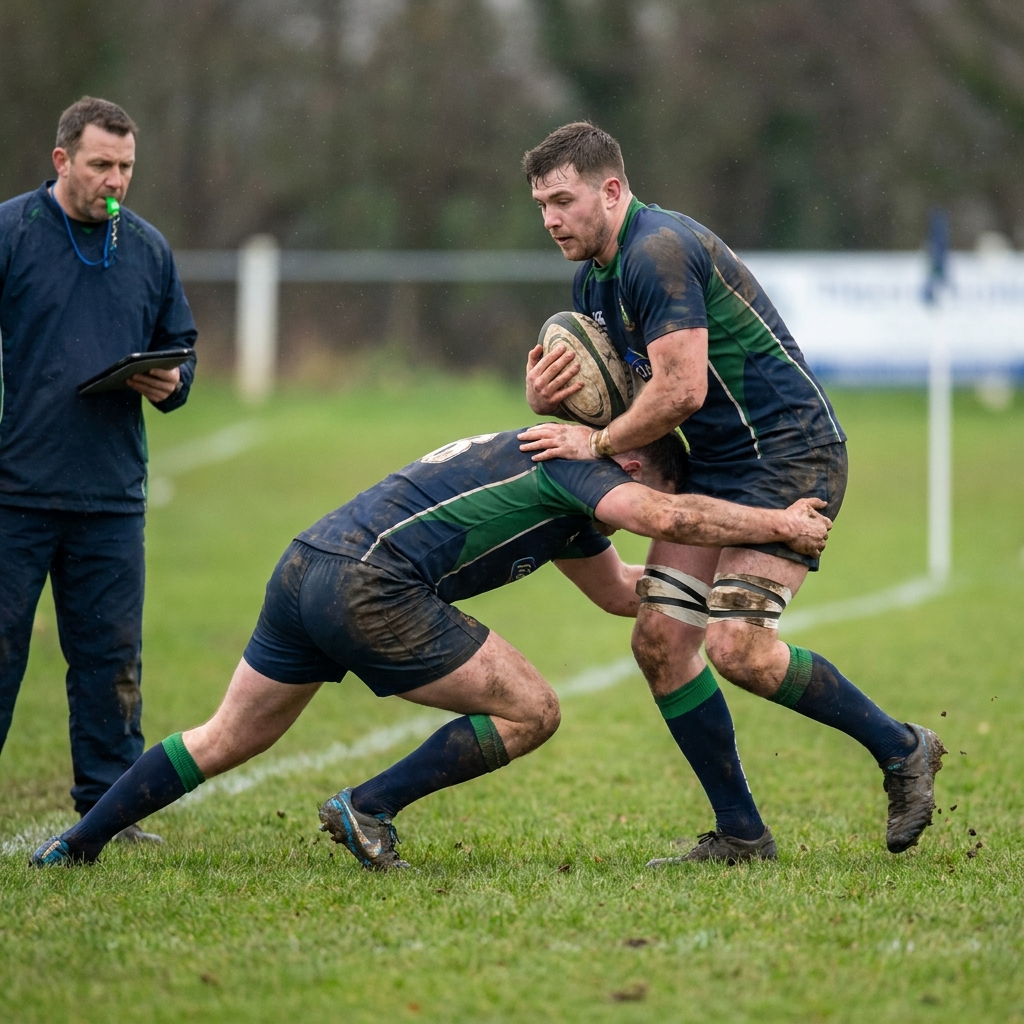
World Rugby's lower tackle height is no longer a trial. It is law in community rugby from this season, and unions choose waist or base of the sternum. Here is how to retrain your defence.