1) keep boxes narrow, 10m at most
2) Defenders cannot leave their box
3) Attackers run, catche pass from coach and aims to get through the tunnel beating all 3 defenders.
4) 2 v1 drill. Ball carrier, draws the defender, passing to support runner who then advances into the 2nd box.
5) having passed the ball the original ball carrier then becomes the support runner and positions ready to receive pass and advance into 3rd box
4) If tagged, returns back to the line and goes again.
5) Line kept moving by releasing the attacker once the 1st attacker is past the 2nd box. Defenders have to be ready!
Main coaching point are:
Attacker Collects ball at pace.
Draw the defender to one side then side step or pass. Use the support that is there.
Communication - Shouting Pass is not good enough. Looking for Pass Left or Pass Right. Support runner make sure team mate knows where you are.
If tagged support runner is there for fast offload and we go again.
Support running coming from deep so that they can see where the defenders are moving to and maintains options left and right.
Heads up rugby - watching where the other defenders go so that attacker then knows which direction to run in
Defenders - where do they stand in the box. (step up to close down space).
Which way are attackers hips pointing (tells you where they are heading).
When taking tag hold it up shout tag and hand back to player.

in more ways than one
 sportplan_netball


in more ways than one
sportplan_rugby

Your players can pass beautifully in a warm-up grid. Then a defender closes, their lungs are burning, and the ball goes to ground. Here is how to build catch-pass skills that hold up when it matters.
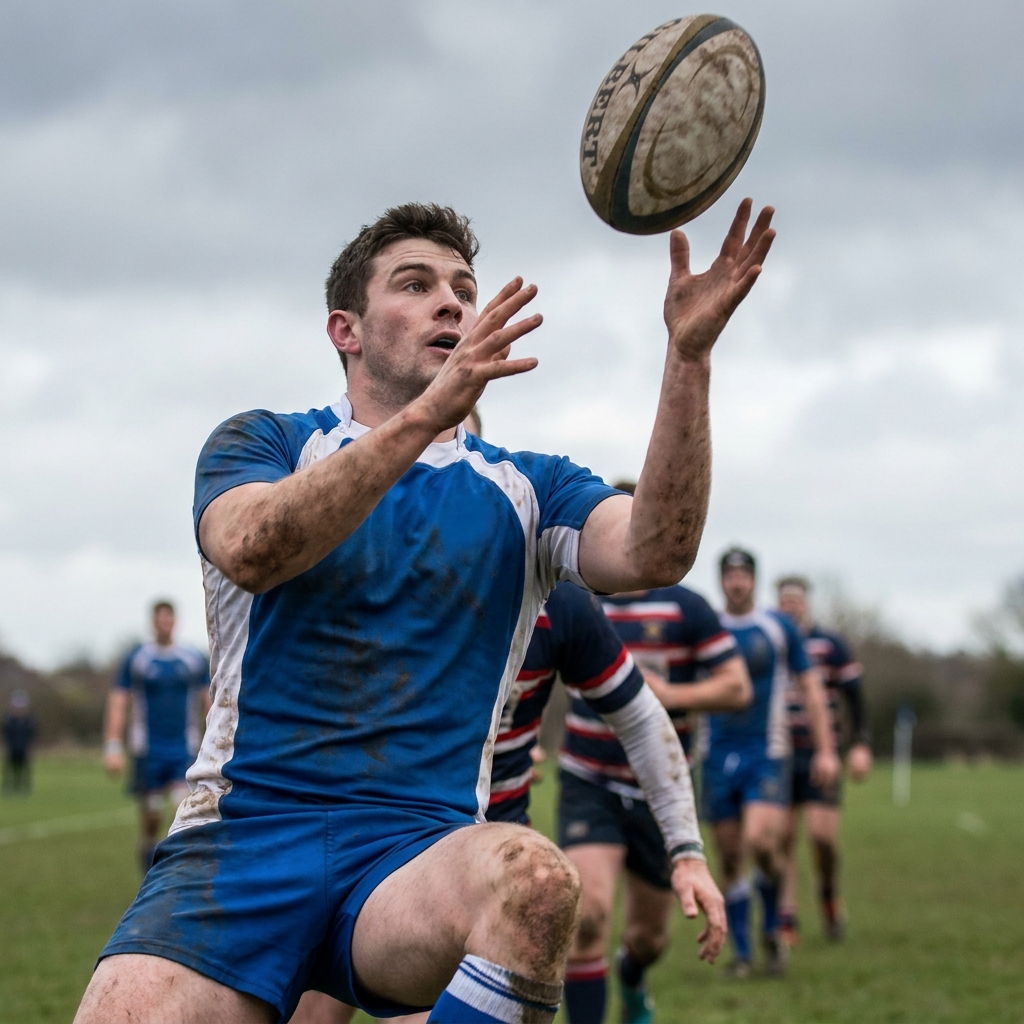
A box kick or up-and-under is only as good as the chase behind it. Here is how to organise your chase line, compete in the air safely, and make sure your own catchers are ready for what comes next.
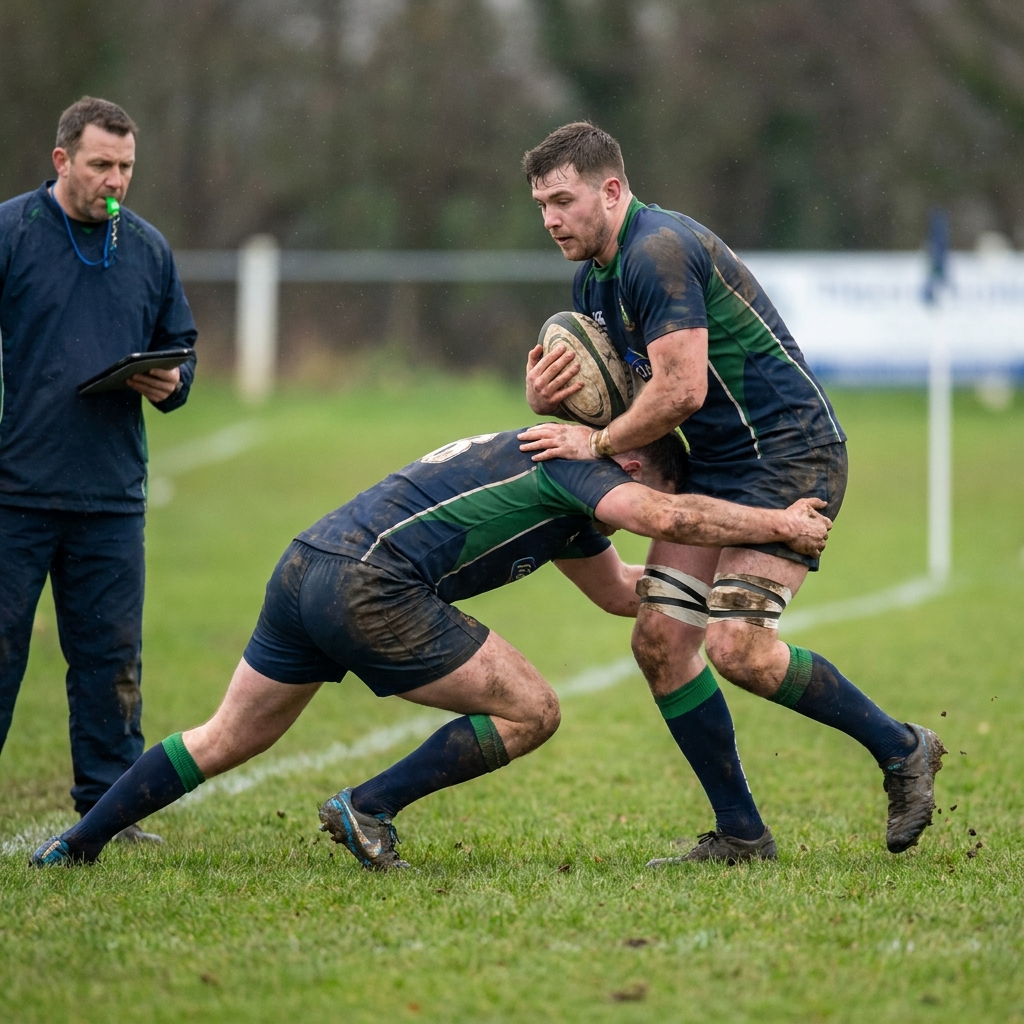
World Rugby's lower tackle height is no longer a trial. It is law in community rugby from this season, and unions choose waist or base of the sternum. Here is how to retrain your defence.