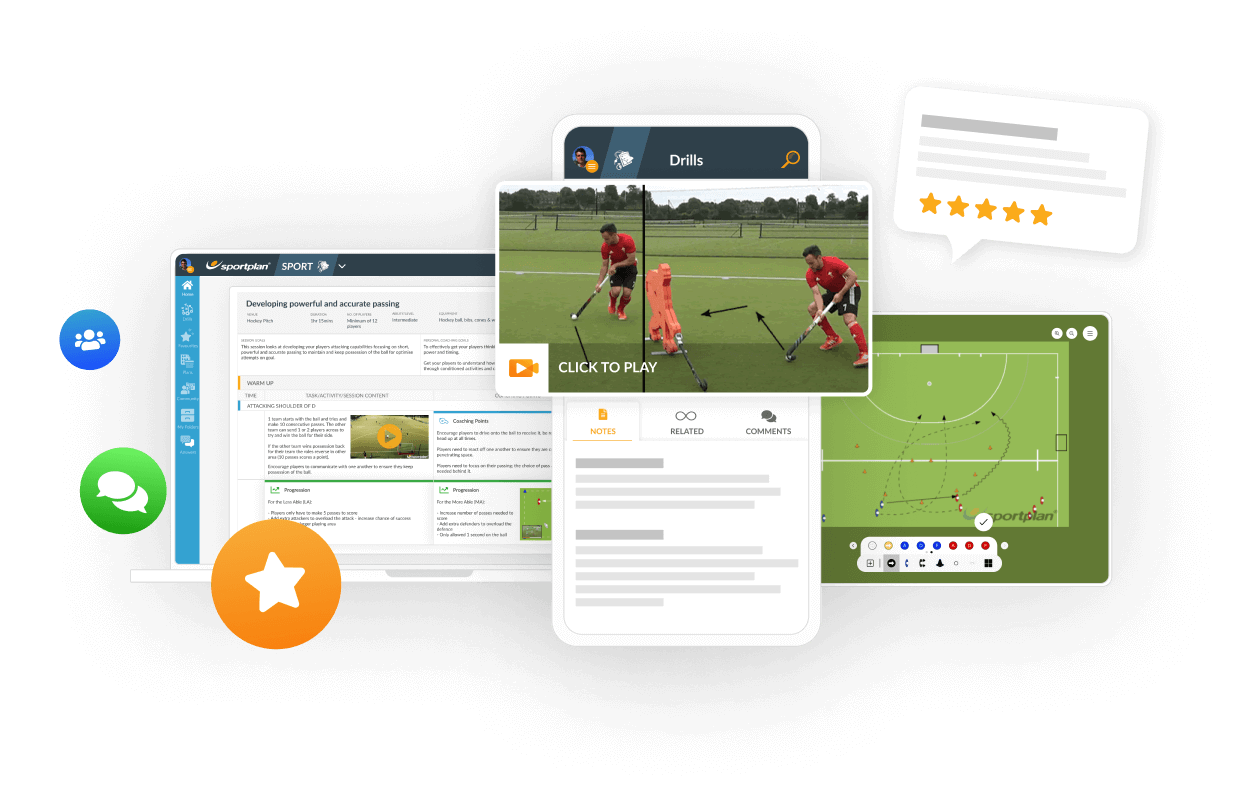
1.) Players have to tap dribble the ball from one cone to another which are in a straight line demonstrating the correct technique.
Holding the stick: Start by placing your right hand at the base of the grip and your left hand at the top. Where your thumb and index finger meet is called the “V.” The “V” on both hands should face the edge that leads into the curved part of the stick. Some players will have a finger down the spine of the stick to give them more support. The left hand should be strong whereas the right hand should be looser.
Body position: Knees should be bent when dribbling the ball and backs should be straight and not bending over (if they complain there back is aching get them to lower there knees more). The feet should be fast when moving the ball with small steps and not planting the feet into the ground- this will help when changing direction later on. Their left elbow should be high and pointing in the direction as to where they want to go. The stick should be out in front of them so they can see their left wrist (if struggling draw a smiley face for them to look at). Ideally they will want their head up and not looking at the ball, but as beginners this will be a challenge for them to do.
Cones: The cones should be placed 10-15m apart to give them some room to dribble in between (the greater the distance the easier it will be). Place the cones on a straight line and see if they can keep the ball along the straight line the whole way along- this will focus on the accuracy of the carrying.
2.) The players should be using the fast footwork to get the ball around the cone instead of turning the stick over. Their feet should go wider then the cone and the ball should always be the closest thing to the cone. They can carry left of the cone (this is harder) or right side (easier as naturally on that side)
3.) The ball shouldn't be more then 30cm away from the stick at any given time even with a tap dribble.
in more ways than one
 sportplan_netball
in more ways than one
sportplan_hockey
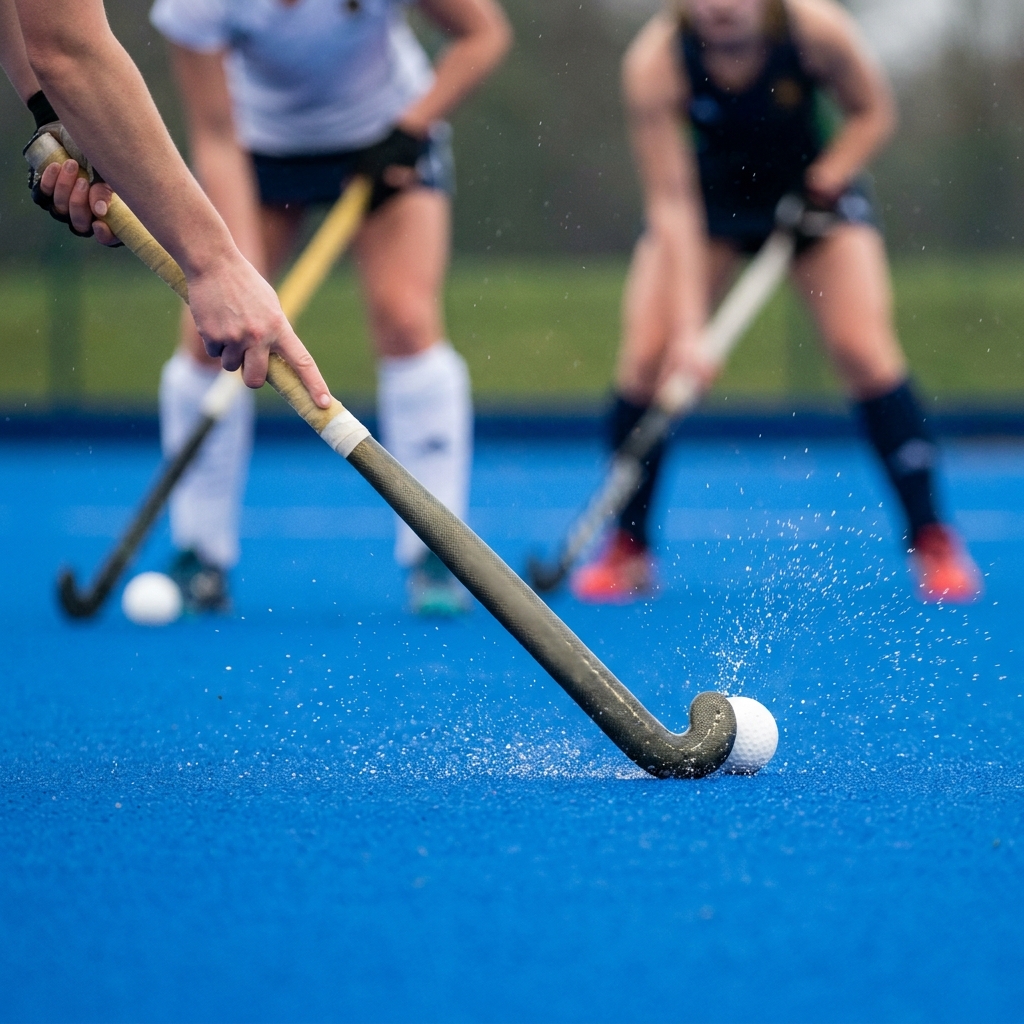
A few weeks into the league season, poor first touches are costing teams the ball. Coach body shape, scanning and receiving on the move to keep possession.
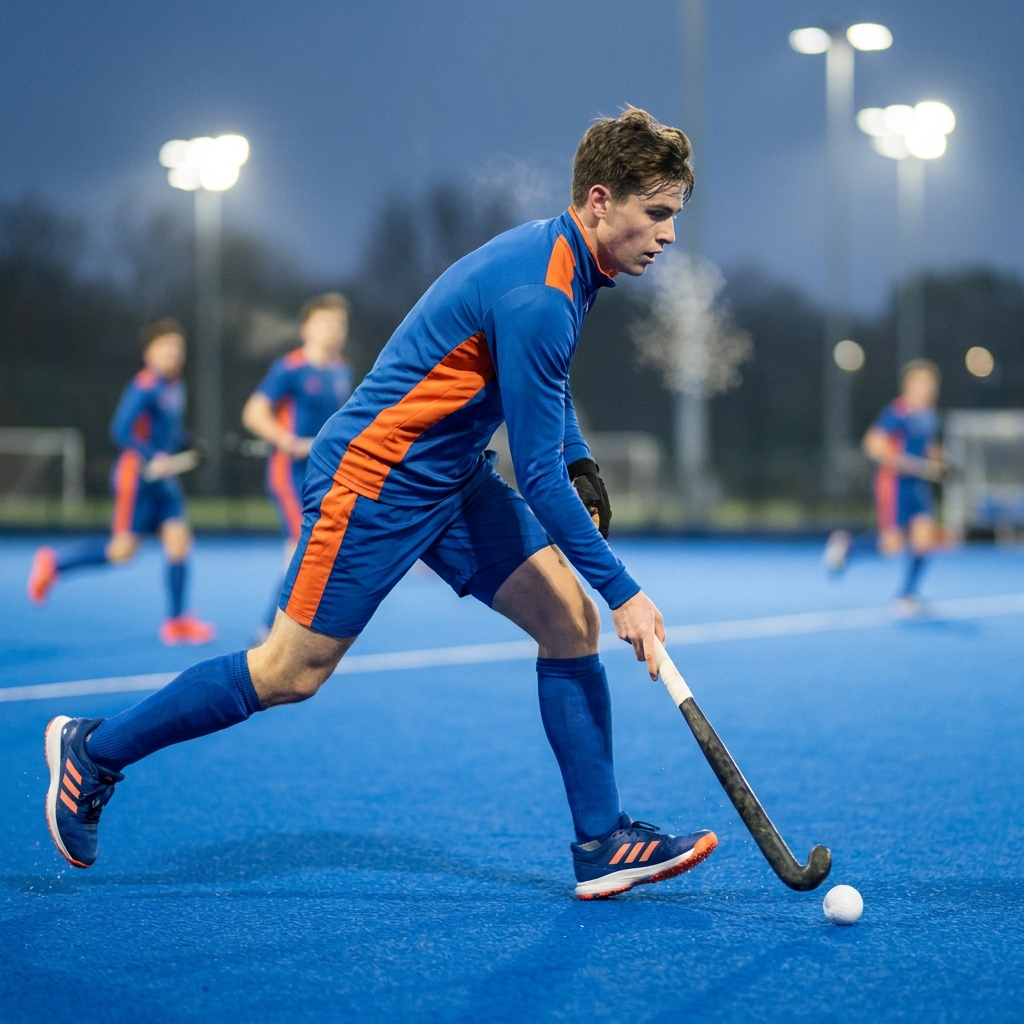
Pre-season fitness fades fast once the league starts. Build conditioning into ball work and use rolling subs well to keep your squad sharp all season.
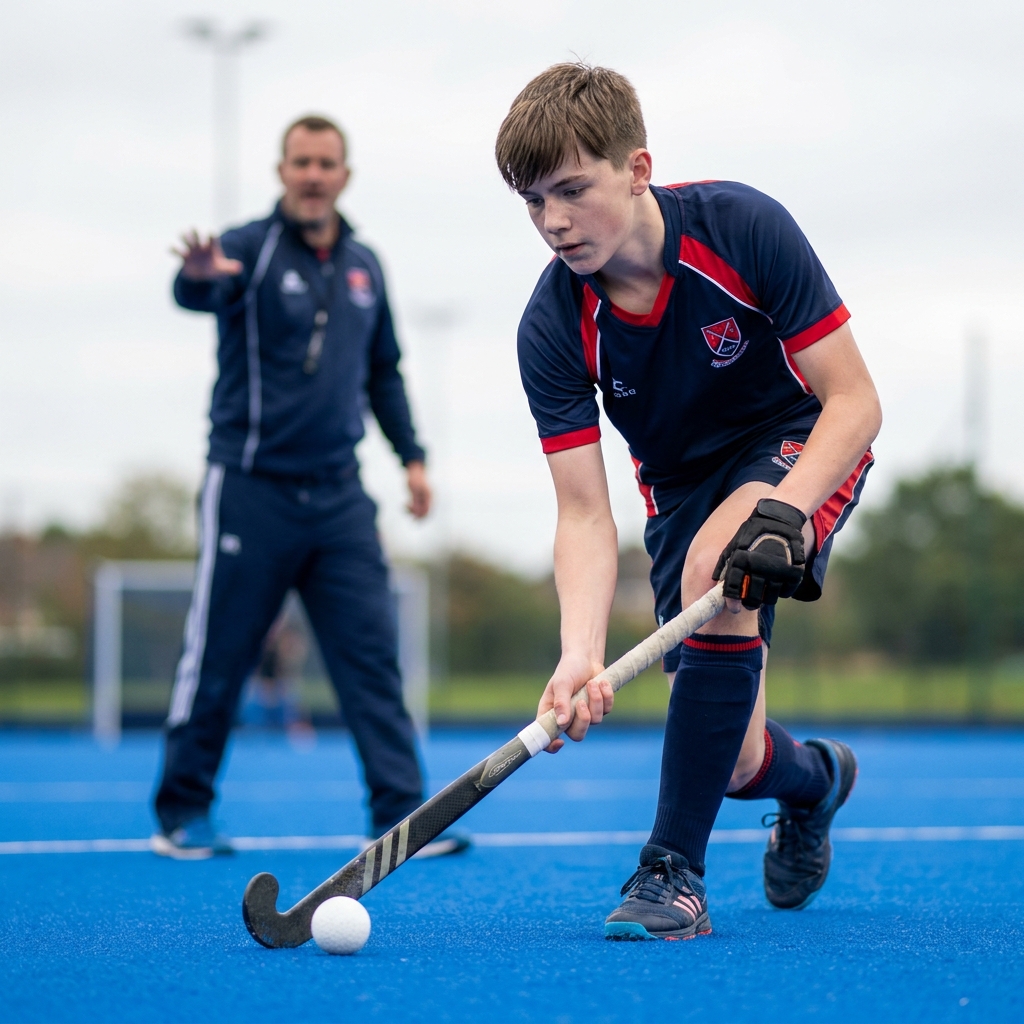
The first weeks of the season decide whether a junior or new player sticks with adult hockey. Here is how to keep them safe, give them a clear job and build their confidence from the very first bully.