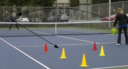
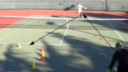
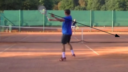
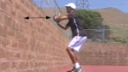
The coach stands in from of the player and throws a high ball off the ground to player's backhand. The player hits backhand over the shoulder.
Playing against moonballers means that players have to make some adjustments in own game. High balls are difficult to deal with for players who love to hit from lower points of contact. Moonballers deliver a lot of high balls so being able to hit regularly from over the shoulder is a necessity to not lose easy points and force the rival to change own strategy.
In this drill, the player works on backhand that is hit over the shoulder from the baseline. The coach should explain to players that this kind of ball has to be hit from low to high and should have more topspin to maintain control and desired consistency. Many players make mistake by trying to hit winners from baseline with high to low motion what results in many balls landing in the net. The best solution is to hit this kind of ball deep and back to the opponent to show that moonball doesn't give us any problems to respond.

A tiebreak is a short sprint where every point is worth the same as a break of serve. The players who win them are rarely the ones who hit hardest. Here is how to coach the patterns, habits and scoreboard thinking that win the big points.
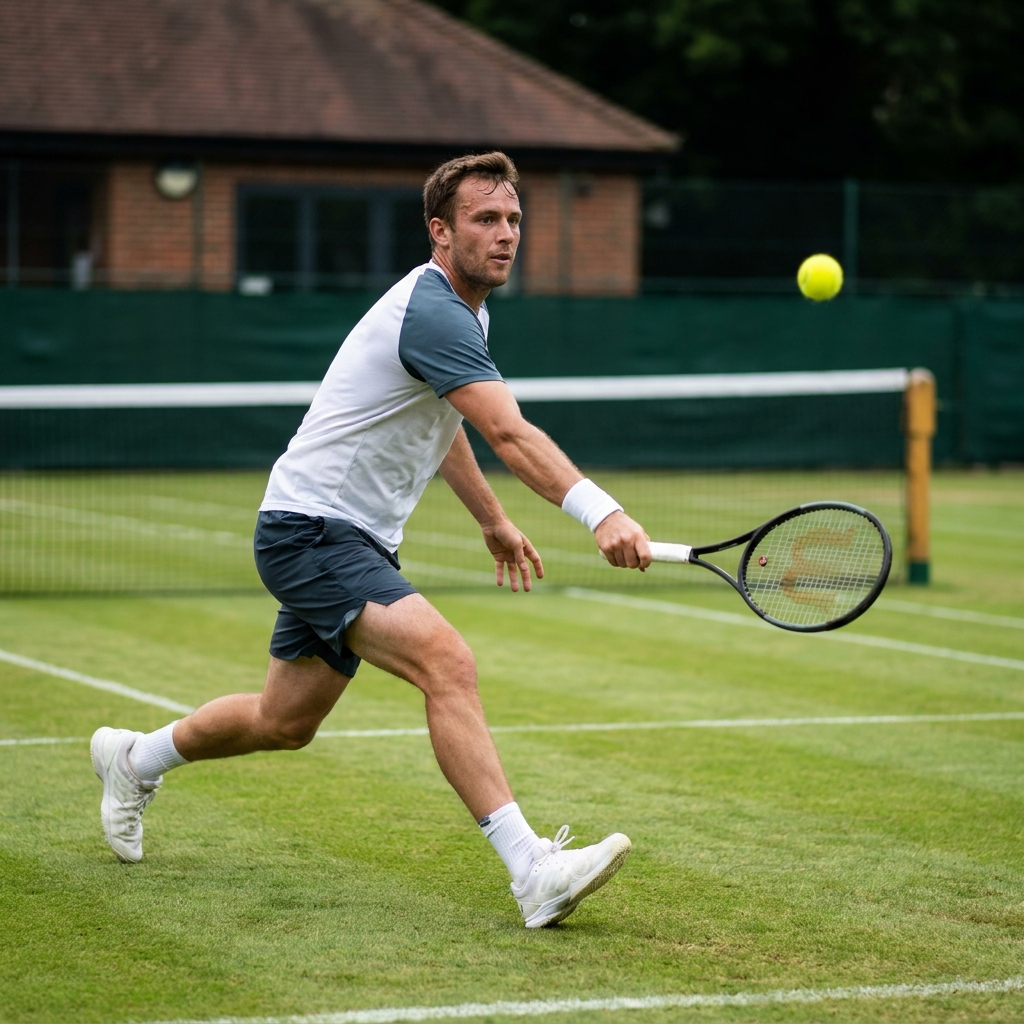
Most club players practise the serve on its own and then have no idea what to do with the ball that comes back. Serve plus one is the pattern that turns a good serve into a won point.
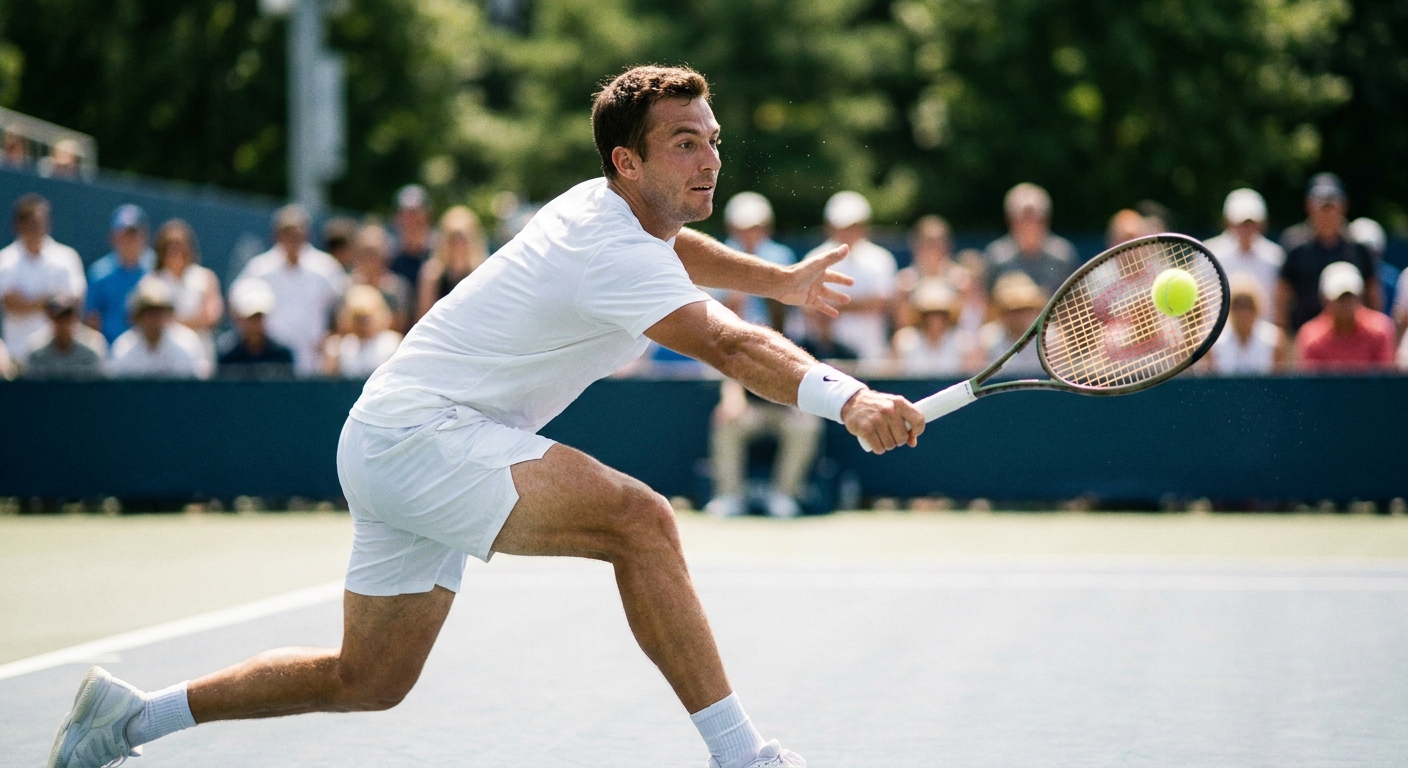
Wimbledon has just crowned another champion, and if you watched closely you saw the same thing every year: the best returners quietly won the tournament. Here is how to coach a return that pressures the server rather than just surviving it.


Register for FREE and get coaching tips, top drills, session and more every week!