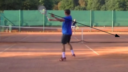
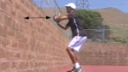
The player stands on the baseline and the coach feeds high ball. The player moves forward and hits forehand in the air to the ad side.
Moonballers hit high balls because of 2 reasons: firstly to have more time to respond and secondly to force opponent to make more mistakes. Players who play against this type of rival have to prepare mentally and have ready options for high balls while playing from the first point. Having strategy is a must to win matches against players who hit the ball up because there is no surprise - just an execution. That is why it is crucial to develop variety of skills because there are different types of rivals and each one requires other strengths to use.
In this drill, the player works on offensive response to high balls. Forehand in the air is an important weapon at all levels of play because many defensive players rescue themselves with moonballs. Being able to move inside the court and hit the ball without the bounce gives advantage to put pressure on the opponent and neutralize difficult high ball. The coach should tell players to hit the ball around the shoulder level and put more spin to the ball. This skill can be used both in singles and doubles so players should work on it from the early years to get comfortable with this air shot.
A tiebreak is a short sprint where every point is worth the same as a break of serve. The players who win them are rarely the ones who hit hardest. Here is how to coach the patterns, habits and scoreboard thinking that win the big points.
Most club players practise the serve on its own and then have no idea what to do with the ball that comes back. Serve plus one is the pattern that turns a good serve into a won point.
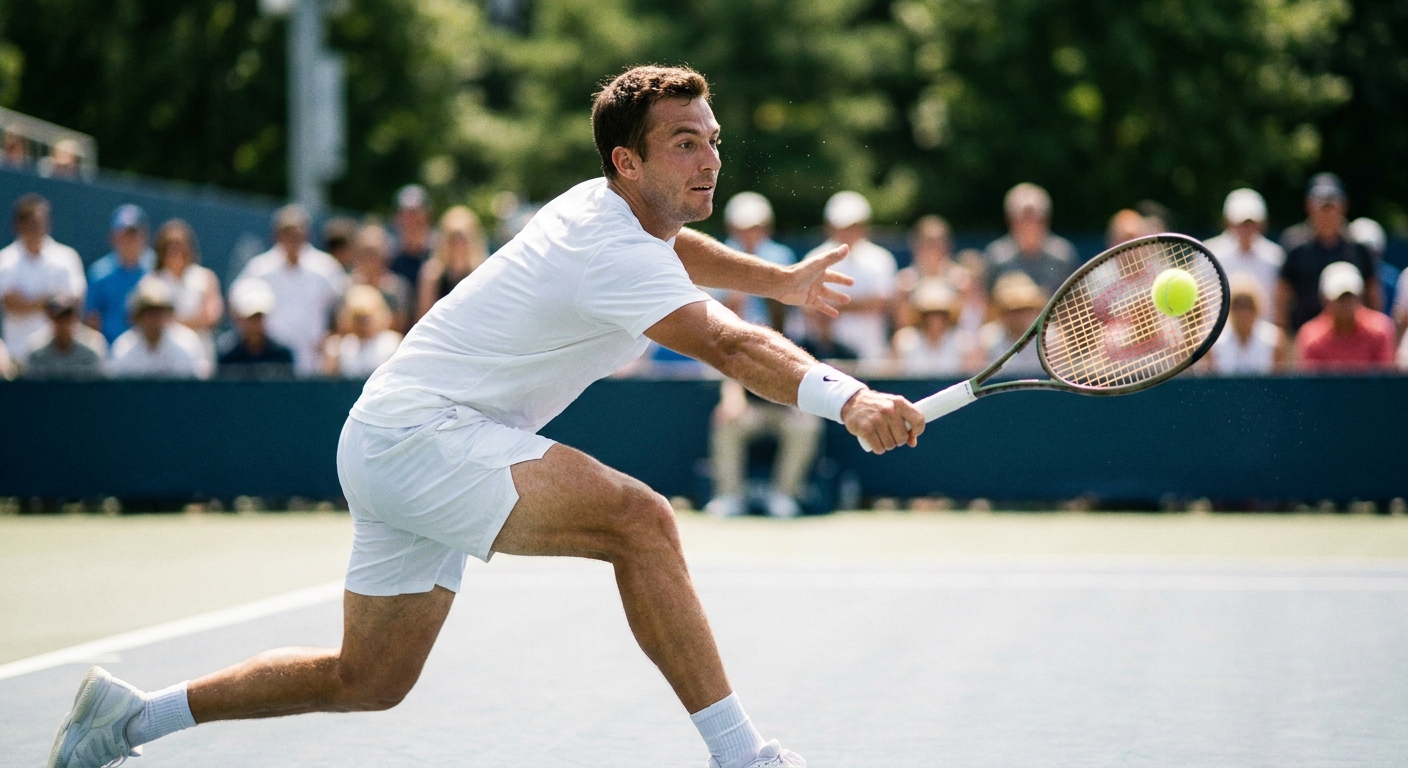
Wimbledon has just crowned another champion, and if you watched closely you saw the same thing every year: the best returners quietly won the tournament. Here is how to coach a return that pressures the server rather than just surviving it.


Register for FREE and get coaching tips, top drills, session and more every week!