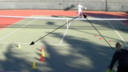
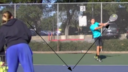
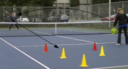
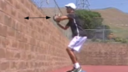
The player stands on the baseline and the coach feeds higher ball to the backhand side. The player sprints forward and hits backhand volley cross-court.
Strategy to win against moonballers should be based on taking them away from the comfort zone. It is crucial to understand what their strengths are and how to make them hit other shots that they don't like. If players are able to take away moonballs from rivals they will force them to use skills that are not as effective as high balls
In this drill, the player learns how to punish opponents who try to hit high balls really often. The goal of high ball in the defensive situation is to get more time to recover so players who are able to take the time away will quickly win points against moonballers. This skill is based on 2 abilities: opponent position's perception and quick reaction. If the player sees that the opponent is in trouble and reaches for the ball with one hand, he should immediately move forward because there is a big chance that the ball will fly high. Good anticipation connected with quick movement forward will guarantee good position to finish the point with easy backhand volley. The coach should make players aware that good strategy requires many skills (not only technical ones) so players should always look for abilities that they can use to own advantage.
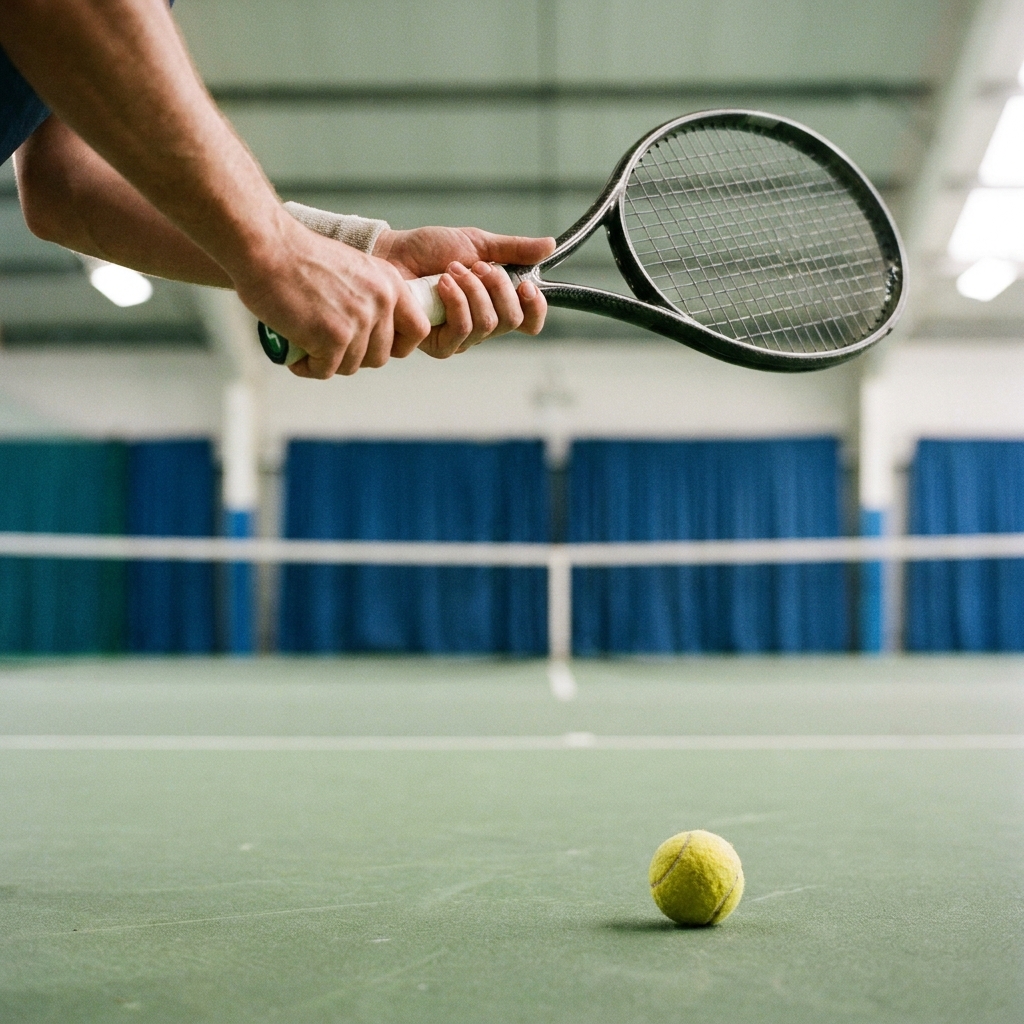
Indoor winter sessions are the perfect window to rebuild a shaky two-handed backhand. Here's a simple framework for turning it into your players' most dependable shot.
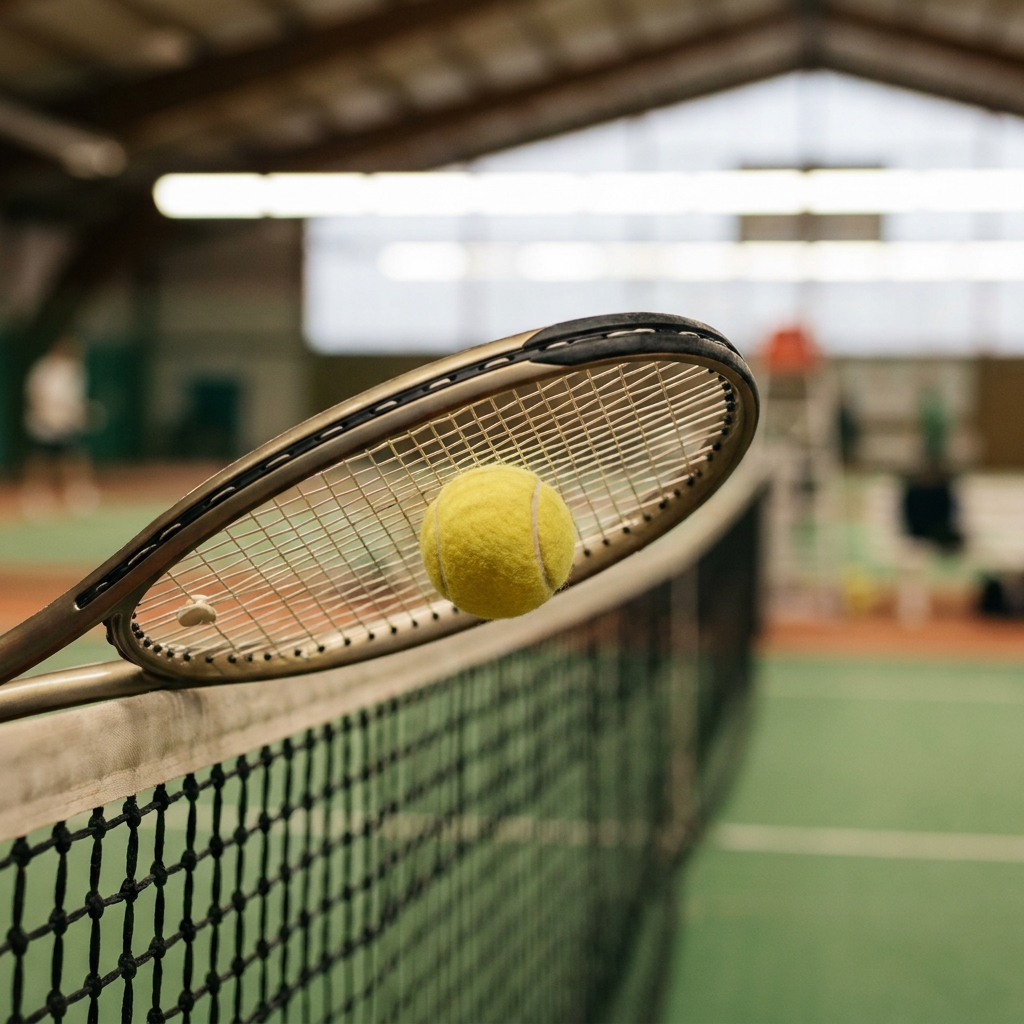
The drop shot is back at the top of the game. Here's how to teach club players to disguise it, select it well and finish the point with it.
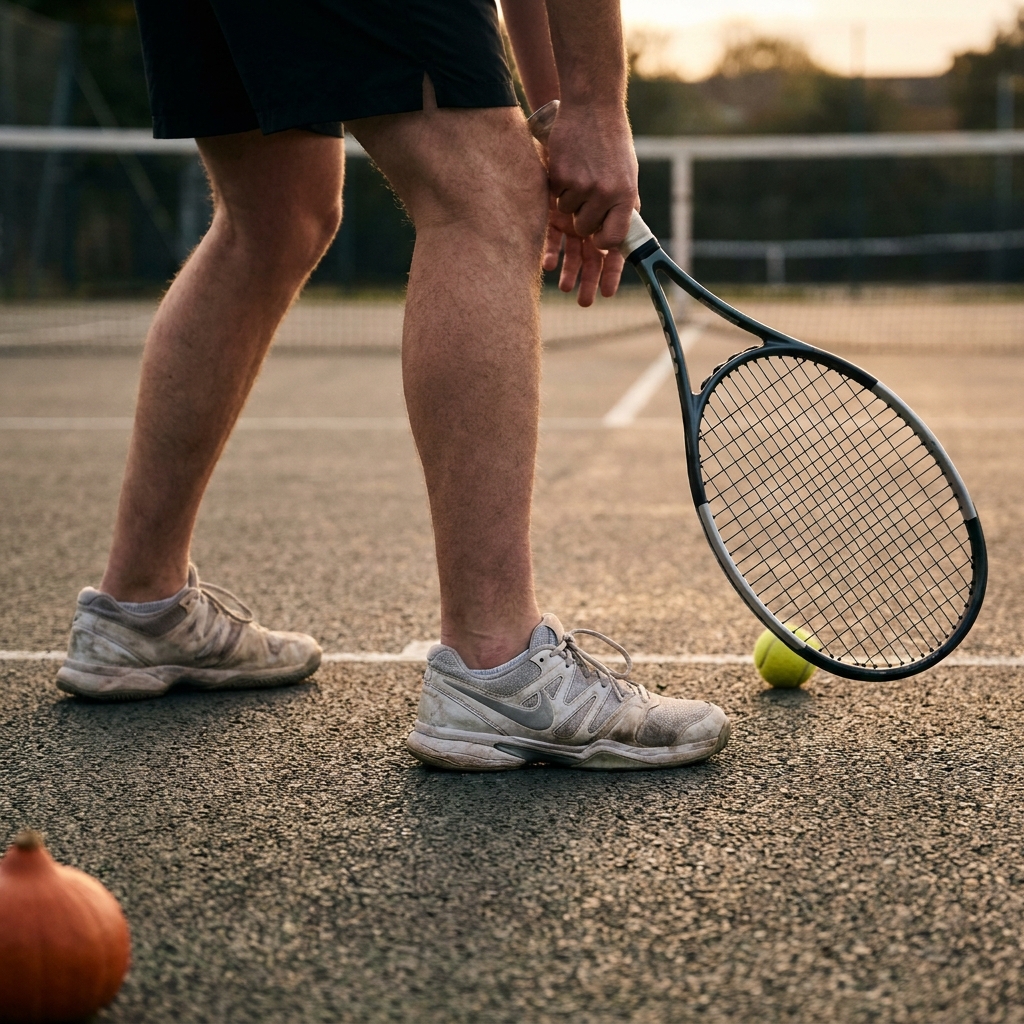
Four technical nightmares creep into club tennis every season. Here are the drills that banish them for good.


Register for FREE and get coaching tips, top drills, session and more every week!