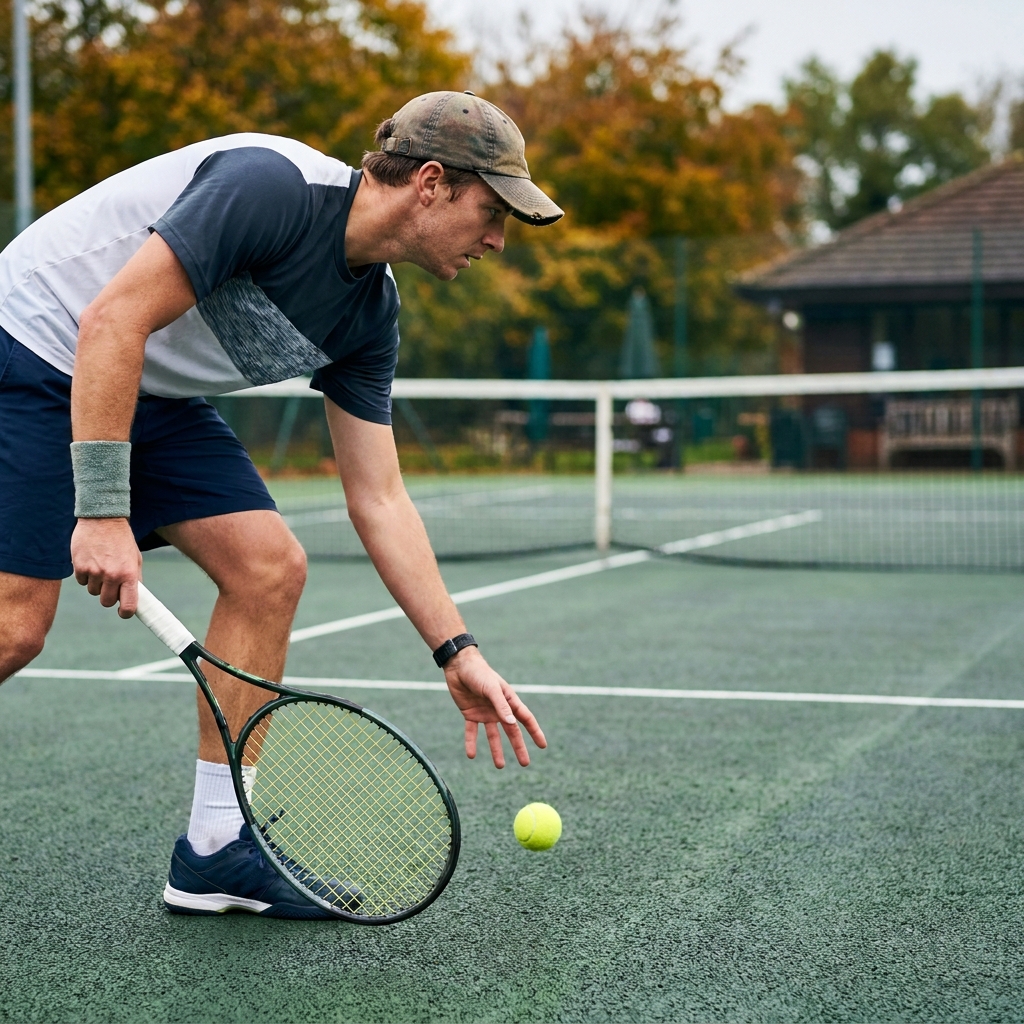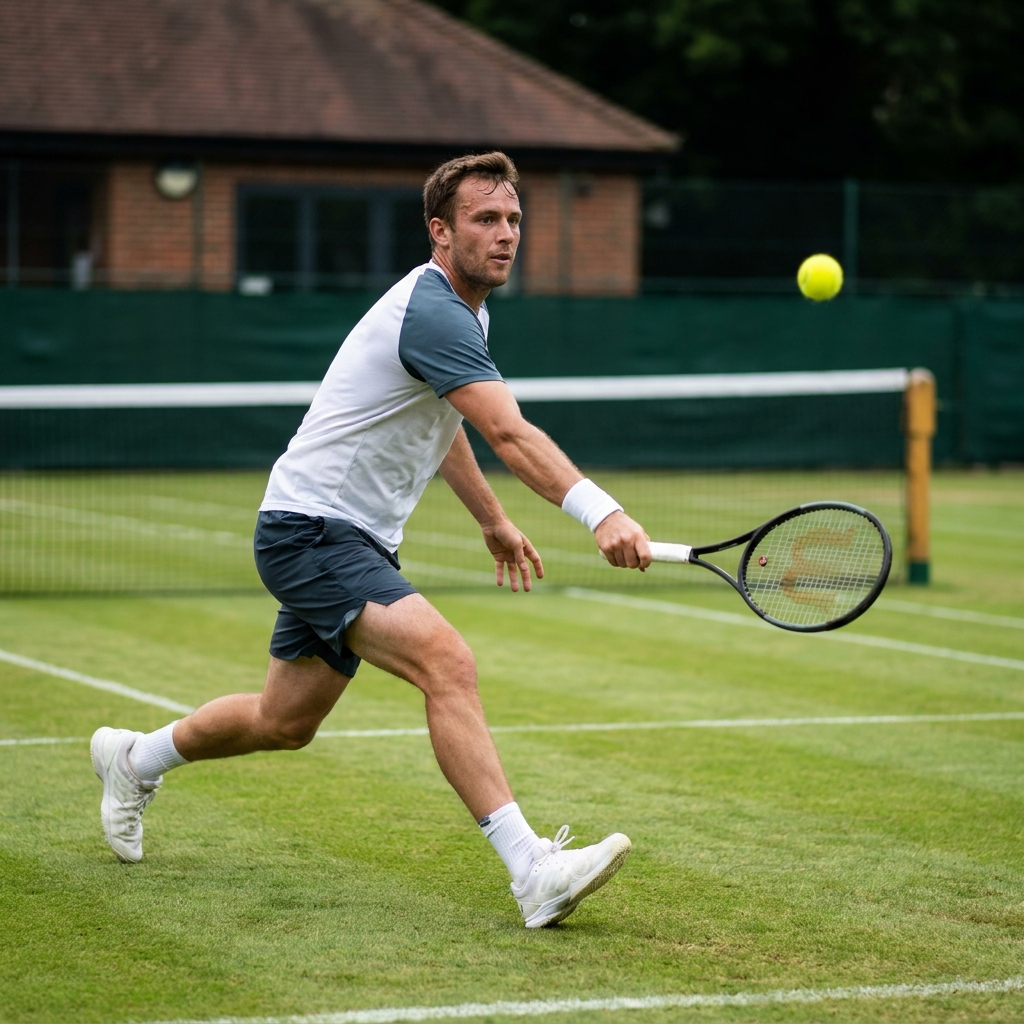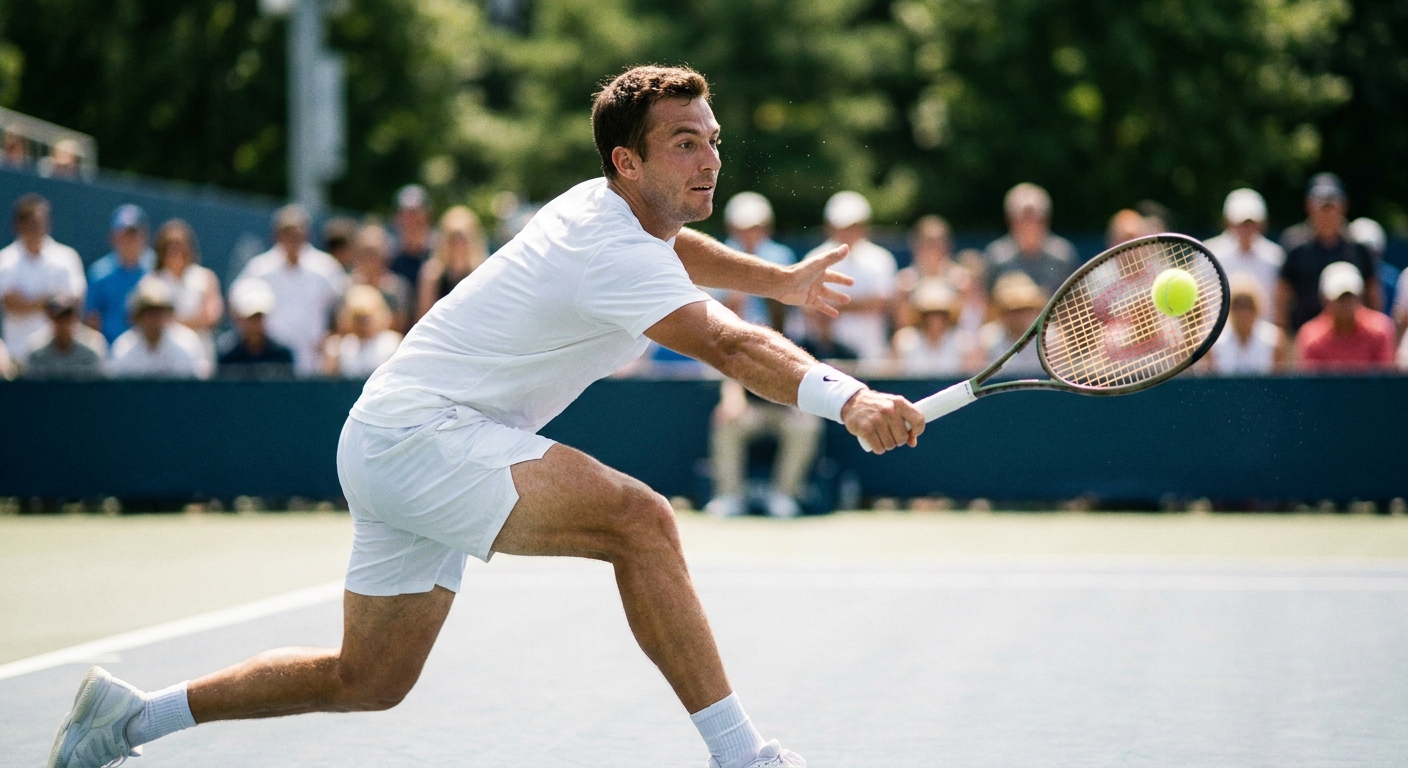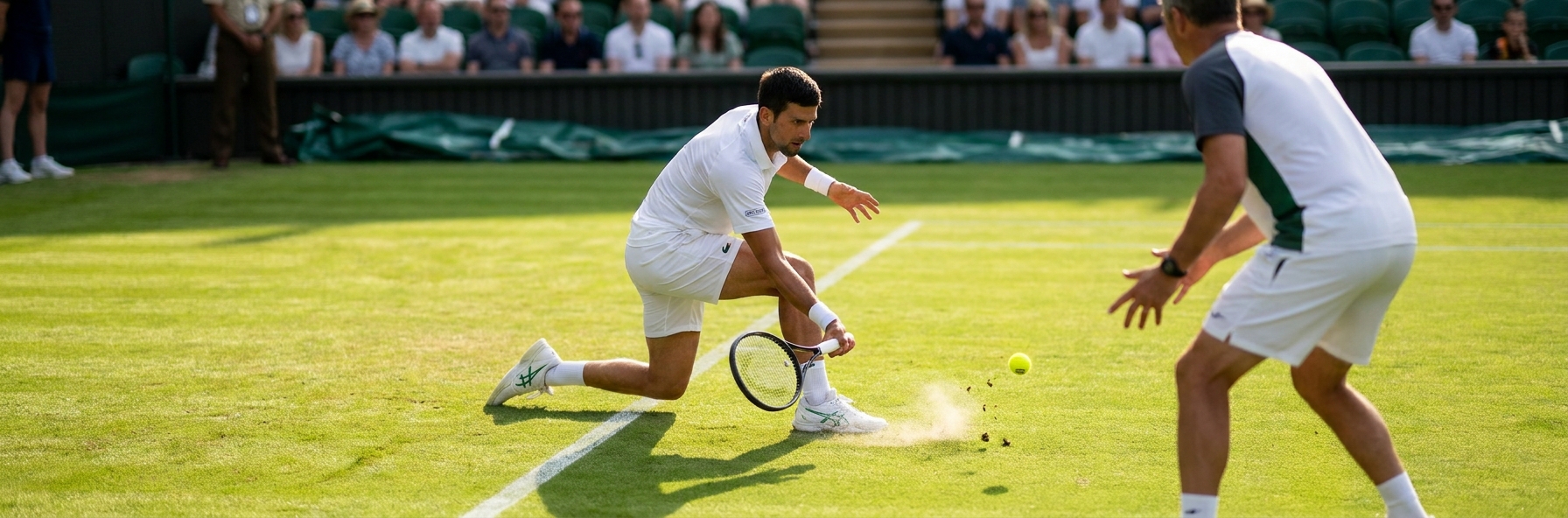
Grass is the fastest and most distinctive surface in tennis. The ball stays low, skids through the contact point, and rarely climbs above knee height. Footing is unpredictable. Points are shorter. Reaction time is everything. For players raised on hard courts or clay, the transition to grass can feel disorientating - which is exactly why a coach who can teach the adjustments quickly is so valuable in June.
With Wimbledon running from 29 June to 12 July, the grass court swing is short but intense. Whether your players are competing in a county event or just enjoying a few weeks on a club lawn, the tactical mindset shift matters more than any technical overhaul.
What Makes Grass Different
Before adjusting tactics, players need to understand the surface itself. Grass has three characteristics that drive everything else.
Low bounce: The ball skids on grass rather than gripping and climbing. Most bounces stay below the waist, which neutralises heavy topspin and rewards anyone comfortable hitting from a low contact point.
Fast pace: Friction is lower than on hard or clay, so the ball retains more of its speed off the court. Reaction time shrinks, particularly on the return of serve.
Unpredictable footing: Grass is slippery early in matches and again as it wears. Movement must be shorter, more controlled, and built around small recovery steps rather than long slides.
Tactical Adjustments to Coach
Once players understand the surface, the tactical shifts follow naturally. Build these into match preparation in the grass court weeks.
Use the slice serve: A slice serve that pulls the opponent wide is even more dangerous on grass because the ball skids low after the bounce. Teach players to use the slice serve as a primary weapon rather than a variation.
Shorten the swing on the return: The traditional full backswing return often arrives too late on grass. Coach a more compact, block-style return that focuses on contact in front of the body and depth rather than power.
Come forward more often: Volleys remain in fashion on grass because the surface rewards anyone willing to close the net. Even at club level, drilling first-strike patterns into the net produces wins.
Embrace the slice backhand: A low slice backhand becomes a genuine offensive weapon on grass. The ball stays beneath the strike zone and forces opponents to hit up from awkward heights.
The Modern Serve and Volley
The serve-and-volley game disappeared from the professional baseline-driven men's tour for years but has crept back into the conversation, especially on grass. The modern version is not the all-or-nothing approach of the 1990s. It is selective, pattern-based, and built around predictable situations.
Choose your spots: Players do not serve-and-volley on every point. They pick first serves, second serves only when ahead in the game, and specific patterns where the percentages favour them.
Aim the serve, not just hit it: The serve must be placed deliberately to set up the volley. A body serve, a wide slice, or a kicker into the backhand all create predictable return paths to the volley.
Split-step on time: The split-step happens as the opponent strikes the return, not when the player feels ready. Drill this timing relentlessly. A late split-step makes the first volley nearly impossible.
First volley is a control shot: The first volley after a serve-and-volley approach is a depth and control shot, not a winner. Teach players to volley deep through the middle, then close for the next ball.
Footwork and Movement on Grass
Grass footwork looks different from clay or hard court footwork. The temptation to slide must be resisted.
Smaller steps: Use short, controlled adjustment steps to find the precise contact position. Long lunges and aggressive slides invite slips.
Lower base: Stay lower than usual. Most grass bounces require a deeper knee bend than hard court play. A low base helps both with reaching the ball and with stability on uncertain footing.
Recover early: Because points are shorter, recovery between shots is also shorter. Train the habit of pushing off the outside leg immediately after contact.
Mental Adjustments
The biggest mistake on grass is treating it like a slower surface. Players who try to construct long rallies typically lose to opponents who attack early.
First-strike mentality: The first two or three shots of the point are where points are won or lost. Encourage players to commit to aggressive intent from the serve or return.
Accept the random bounce: Bad bounces happen on grass. The best players acknowledge them, reset, and move on without losing focus. Spending energy on frustration is energy not spent on the next point.
Stay on the front foot: Defensive grass court tennis rarely succeeds. Even when behind in a game or set, the answer is usually to play more positively, not less.
Key Coaching Points
- Low bounces and fast pace reward forward play and compact swings
- Slice serves, slice backhands, and net approaches all gain value
- Movement is small-step and low - no sliding on grass
- Serve-and-volley is selective and pattern-based, not all-or-nothing
- First-strike intent beats long rally construction every time