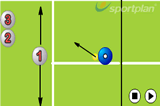
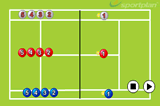
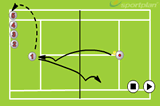
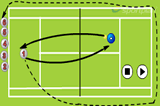
Players hit one ball before running round the court to the other end.
Each player gets 3 lives and loses one if they make a mistake, or fail to get into position on time. Alternatively players can collect letters for each mistake they make until they spell a work (like donkey).
The winner is the one left standing.
The coach can state at any time for the players to change direction in the way they are running around the court, even mid rally!
Players can construct the point but without trying to go for outright winners. If both players are in position and an outright winner is hit, it is up to the coach to decide whether the point should be replayed or not.
The drill can be done with any number of players all on the one court. It is a good end of session or Friday afternoon drill!
Players running around the edge of the court should be reminded to stay outside the lines and to keep out of the way of the ball and their fellow players!
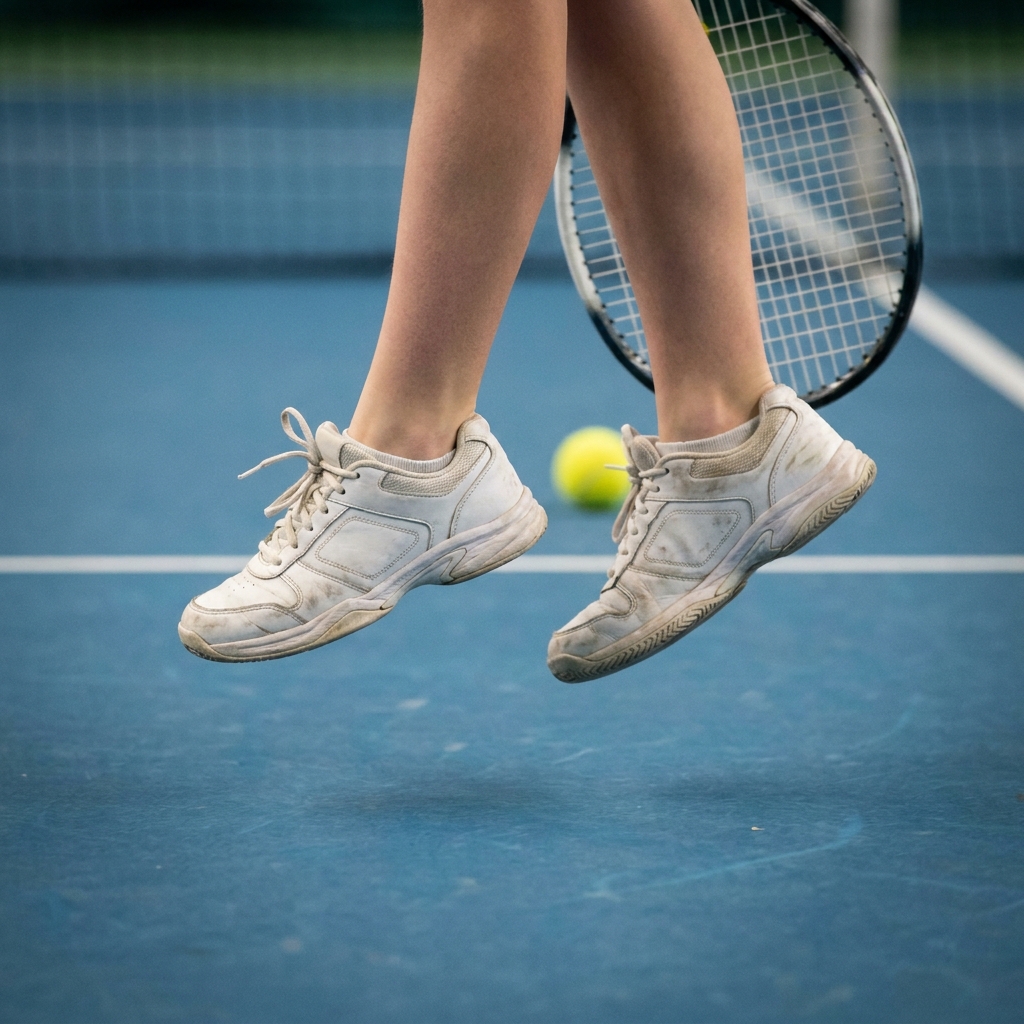
Indoor courts give players less time and less room. Help them sharpen their split step, shorten their swing and stay calm, and winter becomes a season of real progress.

A tiebreak is a short sprint where every point is worth the same as a break of serve. The players who win them are rarely the ones who hit hardest. Here is how to coach the patterns, habits and scoreboard thinking that win the big points.
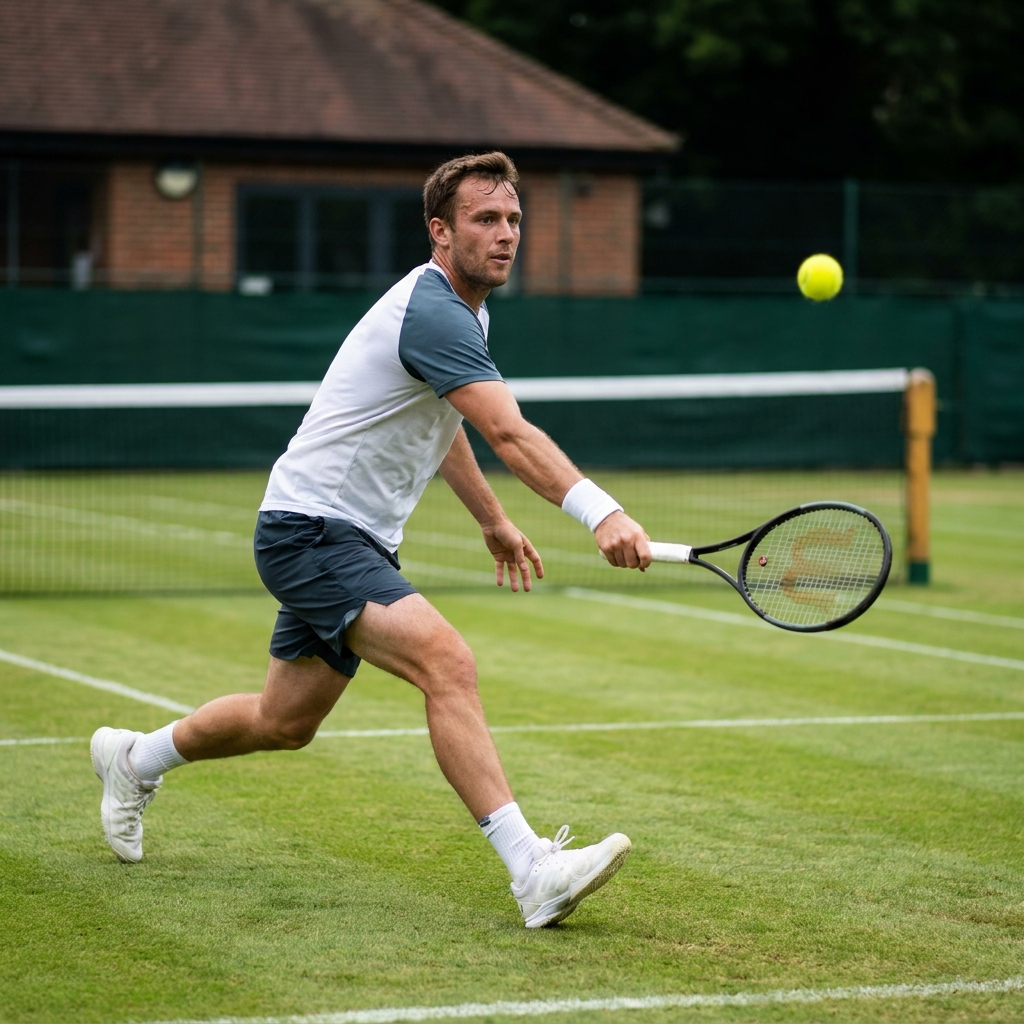
Most club players practise the serve on its own and then have no idea what to do with the ball that comes back. Serve plus one is the pattern that turns a good serve into a won point.


Register for FREE and get coaching tips, top drills, session and more every week!