The Rule Change
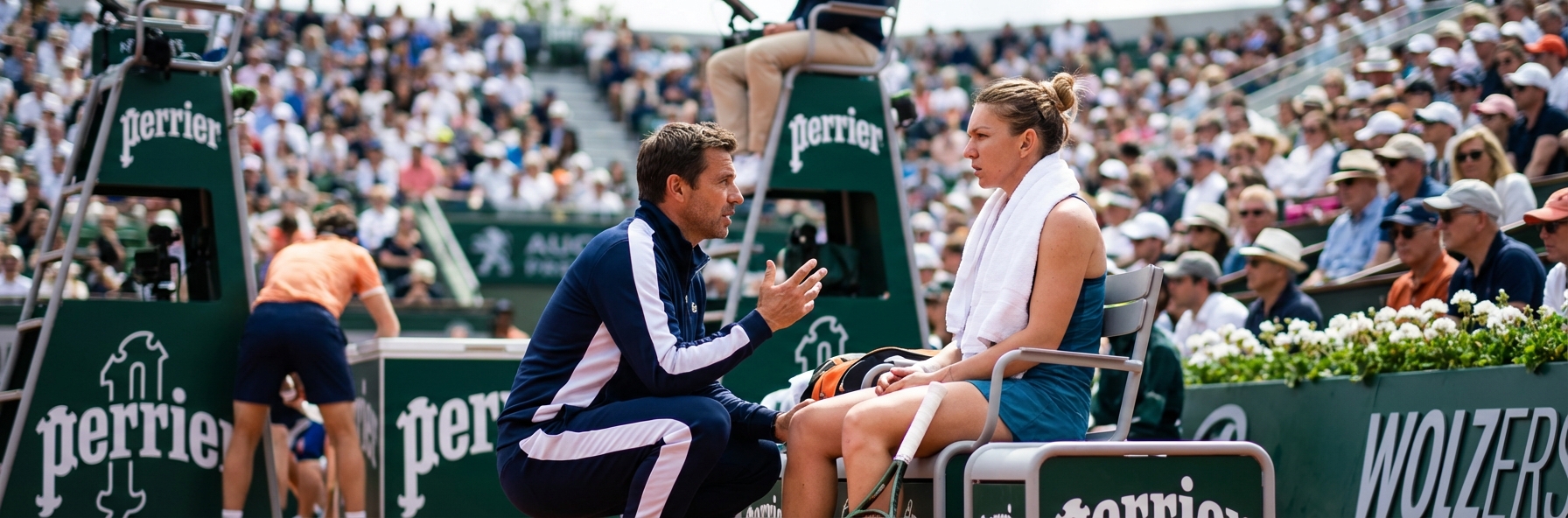
The days of covert hand signals and coded messages are over. On-court coaching is now fully legal across professional tennis, and the change is filtering through to competitive club and junior play. Coaches can speak freely with players at changeovers without fear of penalty.
This creates both opportunity and challenge. The opportunity: direct tactical input during matches. The challenge: learning to communicate effectively in 90 seconds or less under pressure.

The Coaching Opportunity
What's Possible Now
- Direct tactical advice: "Attack her backhand, it's breaking down"
- Technical reminders: "You're rushing the serve toss"
- Mental support: "Stay patient, you're playing well"
- Pattern identification: "She's hitting crosscourt on every big point"
- Game management: "You've got time, slow it down"
What's Changed
Previously, coaches influenced matches through pre-match preparation, body language from the stands, and post-match review. Now you're part of the match itself - a participant rather than an observer.
Communication Skills for Changeovers
1. Be Concise
You have 90 seconds maximum, and players need time to drink, recover, and process. Aim for 30-45 seconds of actual talking. One clear message is better than three muddled ones.
2. One Thing at a Time
Even if you've spotted five things to fix, pick one. Players can't implement multiple changes simultaneously. Prioritise the adjustment most likely to shift the match.
3. Positive Framing
Tell players what to do, not what to stop doing. "Move your feet" is actionable; "stop standing still" creates confusion about the alternative. Focus on the solution, not the problem.
4. Match the Player's State
Read your player before you speak. Are they frustrated? Deflated? Over-excited? Calm? Your message must meet them where they are. A fired-up player needs calming; a flat player needs energising.
5. Tactical vs Technical vs Emotional
Recognise which type of support is needed:
- Tactical: What patterns to exploit, where to place the ball
- Technical: Specific mechanical adjustments
- Emotional: Confidence, composure, energy management
Most changeovers need one type, not all three. Choose correctly.

What NOT to Do
- Information overload: Three tactical points, two technical corrections, and a motivational message is too much. The player retains nothing.
- Negative spiralling: Dwelling on errors or what's going wrong creates more problems. Acknowledge briefly, then move to solutions.
- Contradicting yourself: If you said "stay aggressive" last changeover, don't say "be patient" this one without explanation. Consistency builds trust.
- Talking when silence is needed: Sometimes players need quiet to reset. Read when your presence is enough without words.
- Making it about you: The player is performing under pressure. Keep focus on them, not your analysis or frustration.
Training Your Communication Skills
Practice Changeovers
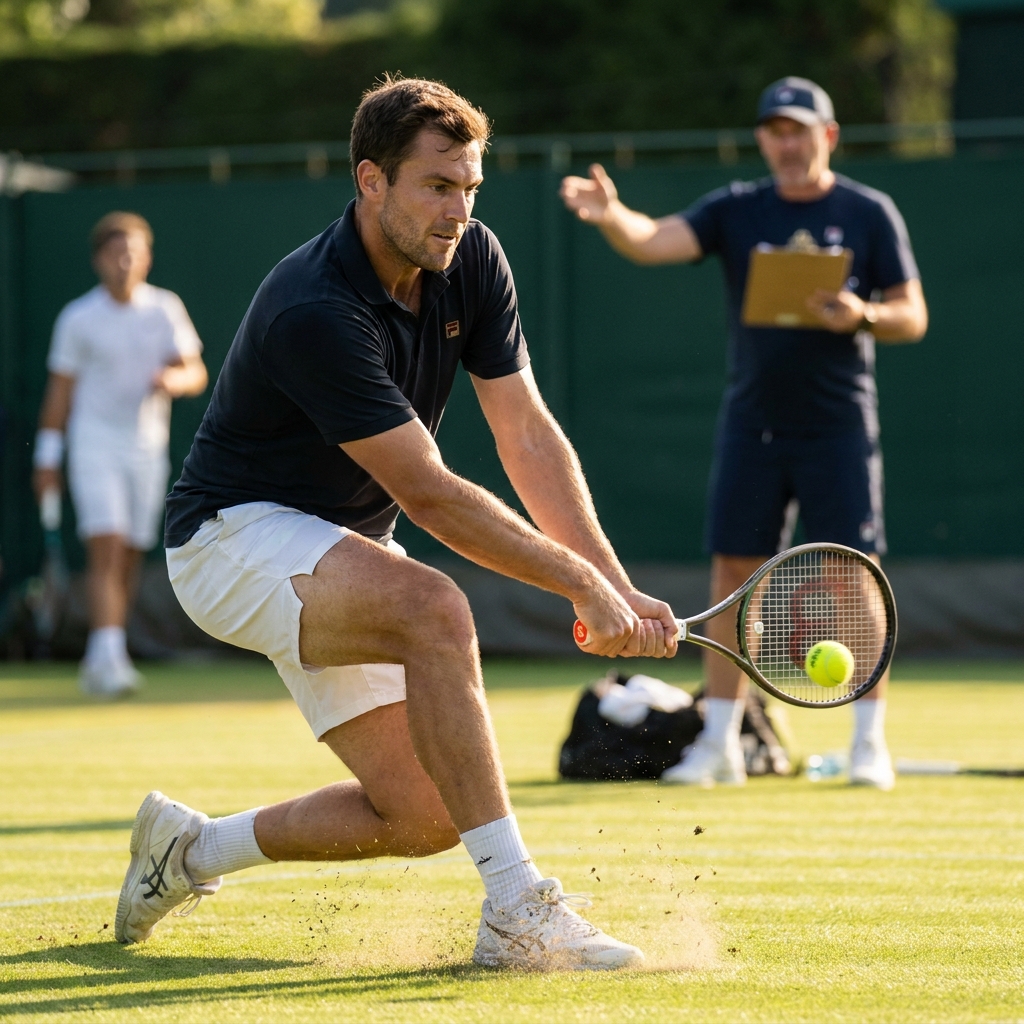
During training matches, simulate changeovers. Give 30-second coaching inputs and have the player implement immediately. Review whether your communication was clear enough to act on.
Record and Review
Video your coaching during practice matches. Watch back with sound - are you concise? Clear? Positive? The camera reveals habits you don't notice in the moment.
Build Shared Vocabulary
Develop shorthand with your players. "Plan A" might mean aggressive returns. "Patience mode" might mean high, heavy balls. Shared language allows faster communication under pressure.
Practice Reading State
Train yourself to assess player state in 5 seconds. What's their body language? Energy level? Eye contact? The better you read, the better you match your message.

Recommended Drills


Different Situations, Different Approaches
- Winning comfortably: Keep it brief. Don't over-coach success. "Same thing, stay focused."
- Close match, playing well: Reinforce what's working. "Your returns are great, keep targeting the backhand."
- Close match, struggling: One tactical adjustment maximum. "Let's rally deeper, make her hit more balls."
- Losing badly: Focus on process, not outcome. Small wins. "Win the next service game, nothing else matters right now."
Frequently Asked Questions
Can I coach during points?
No. On-court coaching is permitted only during changeovers (between games/sets). Coaching during points remains a violation. Wait for the changeover.
What if my player doesn't want advice?
Respect it. Some players prefer to process independently. Establish pre-match whether they want coaching at every changeover, only when they ask, or somewhere in between.
How do I prepare for this?
Practice during training. Simulate changeovers with time constraints. Build shared vocabulary. Review what communication styles work for each player - it varies.
Does this apply at all levels?
Check your league's rules. Professional and most competitive tournaments now allow on-court coaching. Some recreational leagues may still prohibit it. Know the rules before you coach.