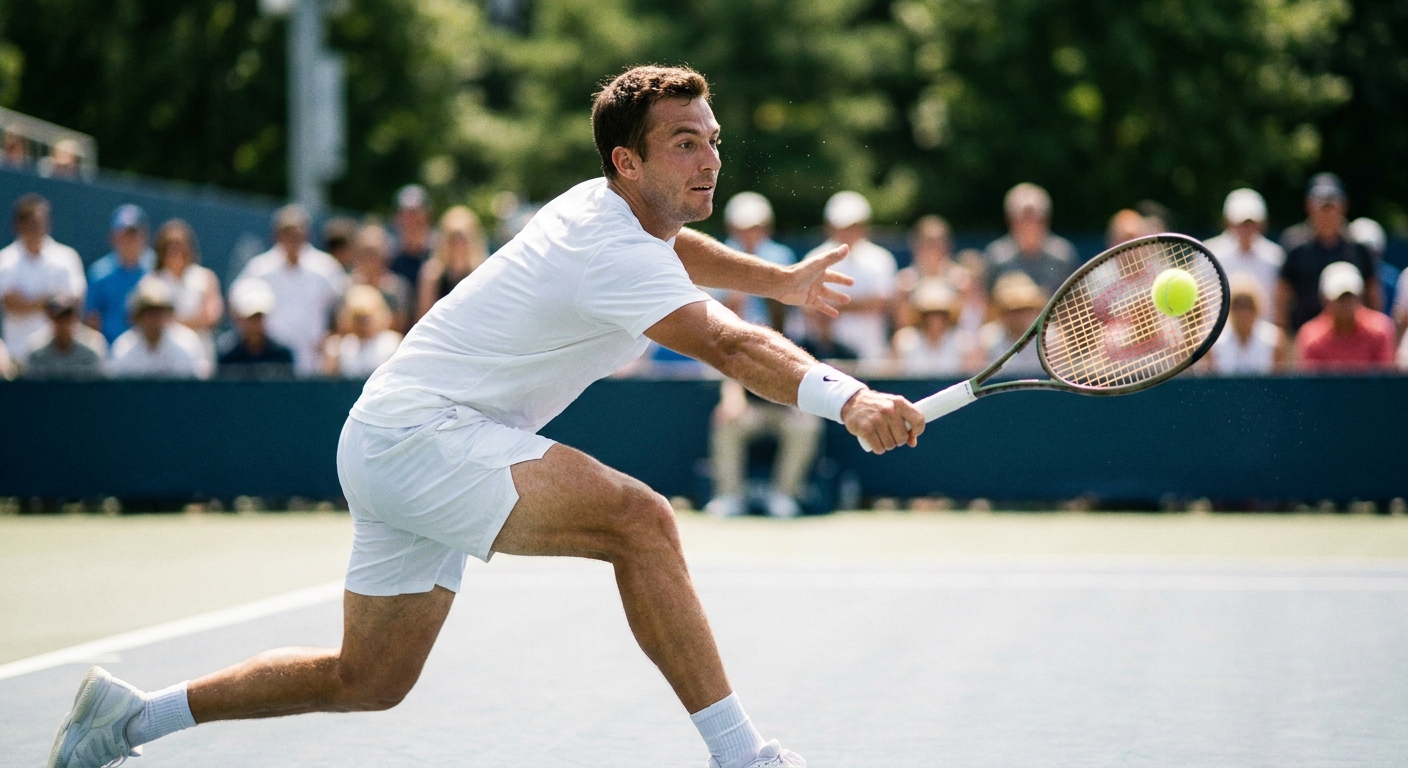
Tennis has embraced more change in recent years than in the previous decades combined. The introduction of on-court coaching, electronic line calling, and shot clocks have transformed the sport. 2026 continues this evolution with refinements that make coaching more visible and important than ever.
Here are the six key changes shaping tennis in 2026.

1. On-Court Coaching Fully Legalised
The days of covert hand signals and coded messages are over. Players can now speak freely with their coaches at any changeover without fear of penalty. What was once forbidden is now encouraged.
This is a fundamental shift in how coaching operates in tennis. The isolation that made tennis unique is gone, replaced by a team dynamic more similar to other sports.
Coaching evolution: Your communication skills matter more than ever. How do you deliver effective, concise tactical advice in a 90-second window? How do you calm a frustrated player? How do you provide technical cues that can be implemented immediately? These skills need to be developed.

2. Coaching Pods - The Australian Open Innovation
The Australian Open pioneered "coaching pods" - dedicated spaces near the court where coaches can position themselves for optimal communication with players. This innovation is spreading to other tournaments.
Coaching pods change the visual dynamic of matches. Coaches are now visible participants, not hidden figures in player boxes. Television coverage is starting to include coach reactions and communications.
Practical impact: Be prepared for visibility. Your demeanour, reactions, and communication are increasingly on display. Professional conduct isn't just about ethics - it's now about public perception.

3. Shot Clock Variations Under Test
The ATP continues to experiment with shot clock rules. The standard 25-second clock between points is established, but trials are testing when the clock should start - immediately when a point ends, or after the umpire calls the score?
Carlos Alcaraz and other top players have raised concerns about timing, particularly when balls are far from the server. The ATP is listening and testing variations to find the right balance between pace of play and fairness.
Training adjustment: Prepare your players for quick turnarounds between points. The trend is toward faster play. Players who need extensive time between points will increasingly feel pressure. Build mental routines that work within time constraints.

4. Earlier ATP Finals Qualification Cutoff
Starting in 2026, players have less time to qualify for the season-ending ATP Finals. The cutoff moves earlier in the calendar, meaning rankings solidify sooner.
This creates pressure to perform consistently throughout the season rather than loading up points at the end. Players who start slowly will find it harder to recover.
Periodisation impact: Season planning becomes more critical. Players can't afford slow starts. Work with your players to ensure they're physically and mentally ready from the first tournament of the year.

5. Electronic Line Calling Everywhere (Almost)
Electronic line calling is now standard across almost all professional tennis. Only Roland-Garros will retain line judges for the 2026 edition, citing tradition on clay courts.
The human element in officiating is fading. Decisions are faster, more accurate, and uncontested. The drama of player-umpire disputes over line calls is largely gone.
Mental coaching: Help players trust the technology. Some players still struggle psychologically with electronic calls, especially on tight points. Building acceptance and moving on quickly is a coachable skill.

6. Next Gen Finals as the Rules Laboratory
The Next Gen ATP Finals continue to serve as tennis's testing ground. Shorter rest periods (90 seconds instead of 120), faster tiebreak changeovers, and other experimental rules are trialled here before potential wider adoption.
The 2026 Next Gen Finals in Jeddah, Saudi Arabia will showcase both emerging talent and potential future rules. What works here may become standard across the tour.
Stay informed: Watch the Next Gen Finals not just for the talent, but for the rules. Understanding where tennis is heading helps you prepare players for future changes.
What This Means for Sportplan Coaches
Tennis coaching is becoming more dynamic and visible. The skills that made great coaches in the past - technical analysis, stroke development, physical preparation - are still essential. But now communication, real-time tactical adjustment, and public presence matter too.
At Sportplan, we're developing resources for 2026 that embrace this new coaching reality. Communication frameworks, changeover routines, and tactical templates for on-court coaching are all in development.
Tennis is evolving. Evolve with it in 2026!