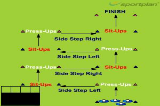
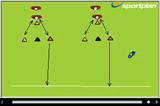
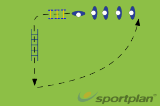
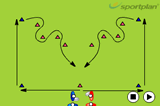
Good for warm ups and handling the ball under fatigue.
4 or 5 hurdles, cones for variations.
Keep body square on when receiving ball and have one or two players working consecutively. Give target to receive the ball. When working around cones make sure to reach the mark and work hard to next hurdle. Finish by sprinting to designated point whereby more variation can be added.
2 footed jump. Land with legs bent to keep body balanced. Communicate with feeder to prompt for ball. Body front on and square when jumping and receiving ball and running between cones as if one is attacking and retreating etc.

The 2026 World Cup is nearly upon us. Here is Sportplan's preview for the tournament on who we think is going to do well and which teams to look out for.

Discover our new Coaching Trends section - in-depth articles covering the latest tactics, techniques and innovations across Football, Hockey, Cricket, Rugby, Netball, Basketball, Tennis, Handball and Volleyball.

Save yourself a scare this Halloween and ensure your session runs smoothly. No chaos, no fright, just structure.


Register for FREE and get coaching tips, top drills, session and more every week!