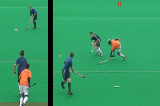
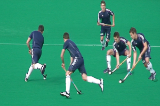
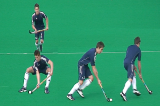
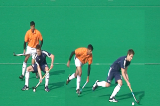
- Playing a 2 on 1 in a narrow area
- Looking to post hard towards the player and turn over the right shoulder
- Player making the initial pass should get ahead of play, looking to receive the ball
- Utilise a shimmy pass on the reverse
- Have the player initially posting move towards the goal first to try and shake the defender off
- The attacker should drop the left shoulder first, and then roll over the right. This will help to create distance from the defender
- The attacker getting high should make sure they don't restrict the passing channels by standing directly behind the player

in more ways than one
 sportplan_netball



in more ways than one
sportplan_hockey
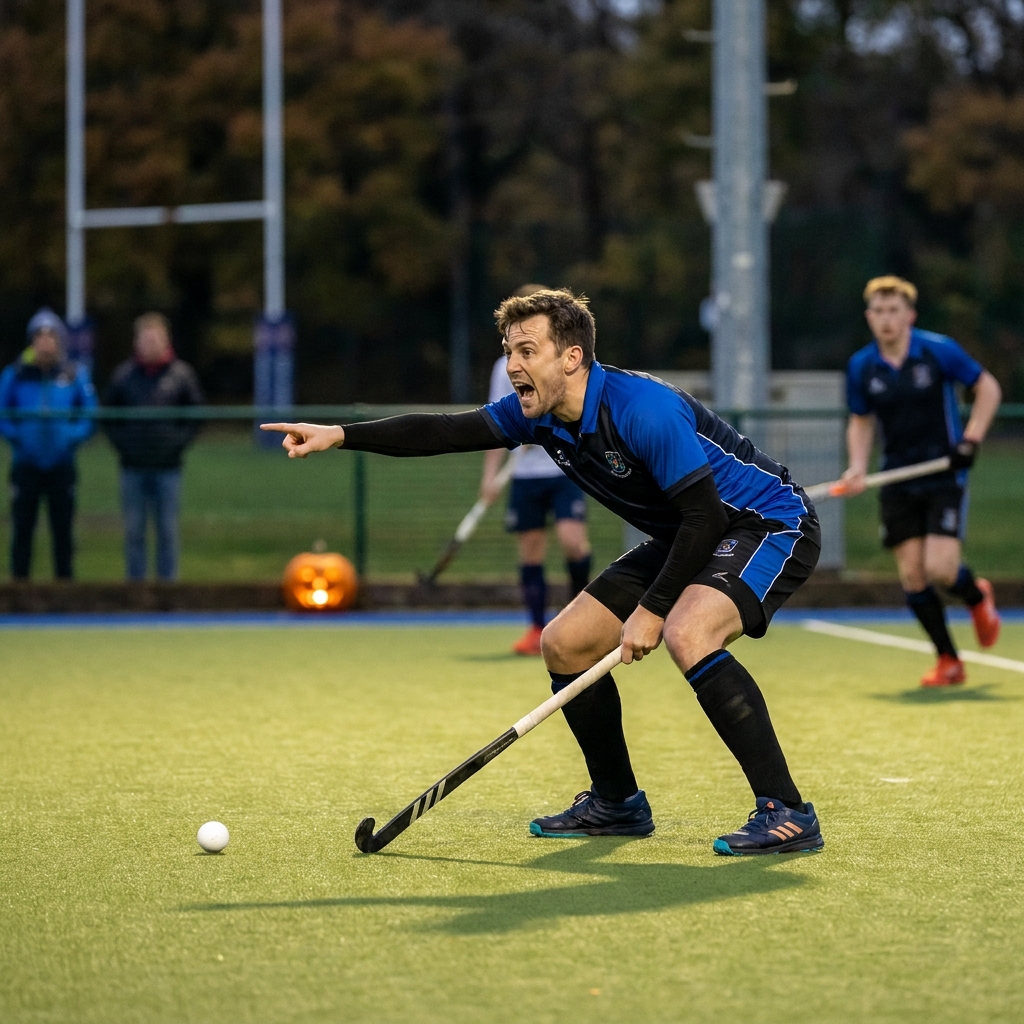
Two defenders chase the ball, nobody covers the runner, and a soft goal goes in. Here is the five-step treat for the mix-up haunting hockey defences this October.

A few weeks into the league season, poor first touches are costing teams the ball. Coach body shape, scanning and receiving on the move to keep possession.

Pre-season fitness fades fast once the league starts. Build conditioning into ball work and use rolling subs well to keep your squad sharp all season.