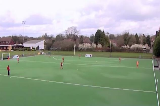
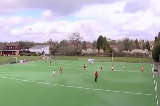
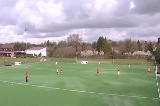
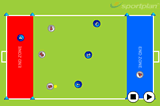
- Pitch split into 9 zones (3 x 3)
- 6 vs 6
- Can only ever have one forward and one defender in each area
- Forwards (white) cannot dribble ball from one area to another
- Defenders (red) cannot make a challenge, only intercept passes
- Players should post between the different areas to move up the pitch
-If ball is turned over, drill continues, with the red team becoming the forwards and the white team becoming the defenders
Rather:
- have forwards (white) constantly attacking until turnover occurs i.e alternating the goal being attacked
OR
- alternate the team that is attacking, so each team only ever scores in one goal
- Goalkeeper should be constantly talking to there defense
- Allow defenders to tackle
- Introduce rules (number of touches, non-verbal, maximum time spent in each box, must change box once you've played a pass etc.)

in more ways than one
 sportplan_netball



in more ways than one
sportplan_hockey

A few weeks into the league season, poor first touches are costing teams the ball. Coach body shape, scanning and receiving on the move to keep possession.

Pre-season fitness fades fast once the league starts. Build conditioning into ball work and use rolling subs well to keep your squad sharp all season.

The first weeks of the season decide whether a junior or new player sticks with adult hockey. Here is how to keep them safe, give them a clear job and build their confidence from the very first bully.