- 180 degree change of direction
- Useful when running into a dead space
- Allows the resetting of the transfer
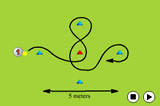
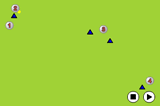
- Player dribbles the ball towards the right cone
- Once there, the player should leave the ball behind them on the stick, and utilise a large dragging movement while pivoting
- This drag should take them outside the left cone, allowing them to pass the ball to the next player
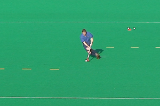
- A high elbow should be used whilst carrying the ball, alongside an open body shape to disguise the movement
- This will give the impression to the opponent that the ball is moving to the right
- A player keeping there head up and looking to the right will increase the disguise on the pass
- A large two touch drag under control is much better than a one touch small drag which lacks control
- Increase the distance between the cones, and therefore the required size of the drag

in more ways than one
 sportplan_netball



in more ways than one
sportplan_hockey

A few weeks into the league season, poor first touches are costing teams the ball. Coach body shape, scanning and receiving on the move to keep possession.

Pre-season fitness fades fast once the league starts. Build conditioning into ball work and use rolling subs well to keep your squad sharp all season.

The first weeks of the season decide whether a junior or new player sticks with adult hockey. Here is how to keep them safe, give them a clear job and build their confidence from the very first bully.