Early season in community rugby has a familiar pattern. The first few matches are full of dropped balls, passes that arrive behind runners, and promising overlaps that die because someone could not catch and give in one movement. It is rarely a lack of effort. It is handling that was learned without pressure, being asked to work under pressure.
The fix is not more passing lines. It is a handful of simple technical habits, drilled until they are automatic, and then deliberately tested against defenders, time limits and tired legs. That applies to your props and second rows just as much as your centres.
Why Handling Breaks Down
Most handling errors come from the same few causes. Hands arrive late, so the ball is caught against the chest and has to be reloaded before it can be passed. The catch is taken beside or behind the body, so the carrier drifts and loses the shape of the line. And players have a strong side, so anything asked of the weaker hand becomes slow and loopy.
Pressure magnifies every one of these. A defender closing the space removes the extra half-second a player was using to tidy up. Fatigue does the same thing more slowly. If the technique needs time, pressure will expose it.
A Five-Step Framework
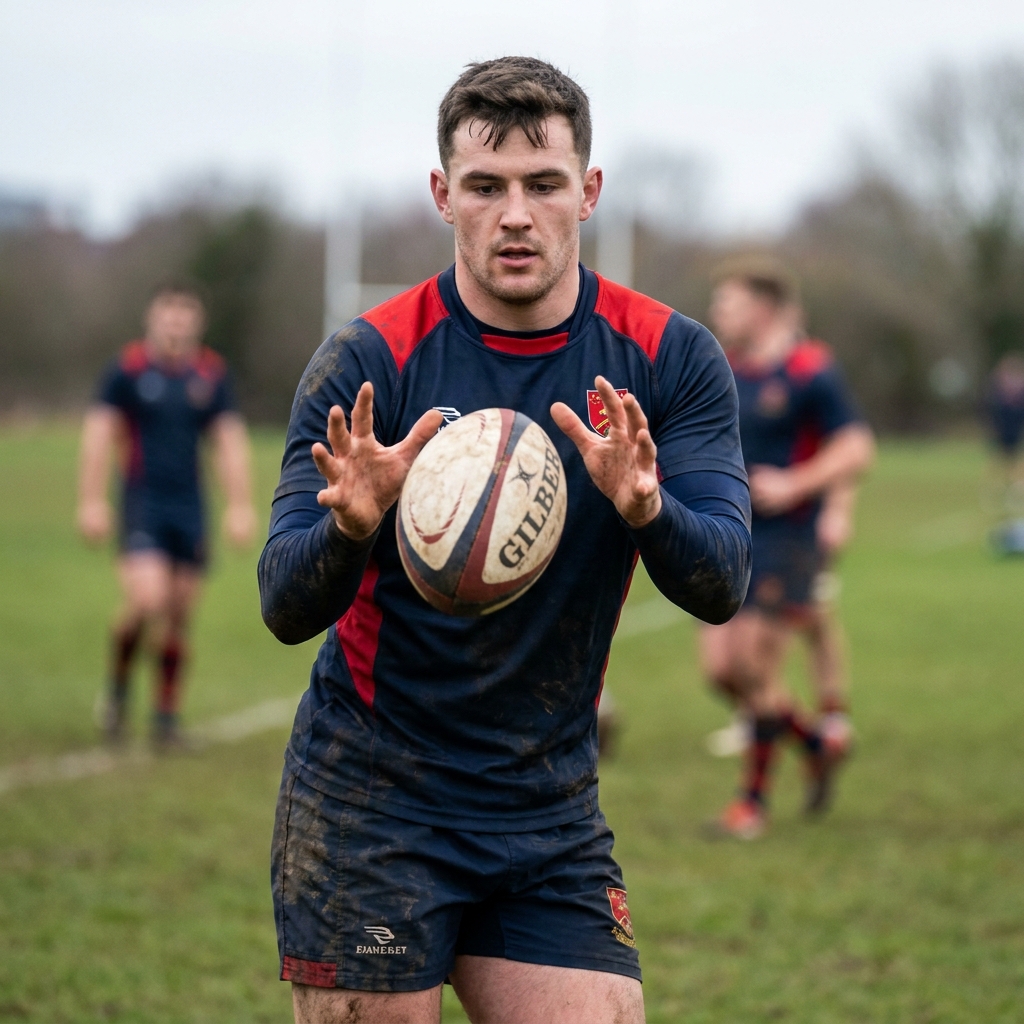
Step One: Hands early. Receivers show a target with both hands up and fingers spread before the ball is passed, not as it arrives. The passer has something to aim at and the catcher is ready to give straight away.
Step Two: Catch in front. Reach for the ball and take it early, away from the body. A catch in front keeps the player running straight and lets them move the ball on without reloading at the hip.
Step Three: Pass off both hands. Build the weaker side on purpose. In every handling block, make sure the ball travels both ways in equal amounts, and coach the same finish: hands following through towards the target.
Step Four: Choose short or long. A short, flat pass keeps a defender fixed and suits tight spaces. A longer pass moves the ball past a defender into space but gives the defence more time to drift. Teach players to look up before they catch so the decision is already made.
Step Five: Keep it simple when tired. Late in a phase or a match, the right pass is often the simpler one. Encourage players to pick a pass they can deliver accurately when their legs have gone, rather than the ambitious one that only works when they are fresh.
How to Train It
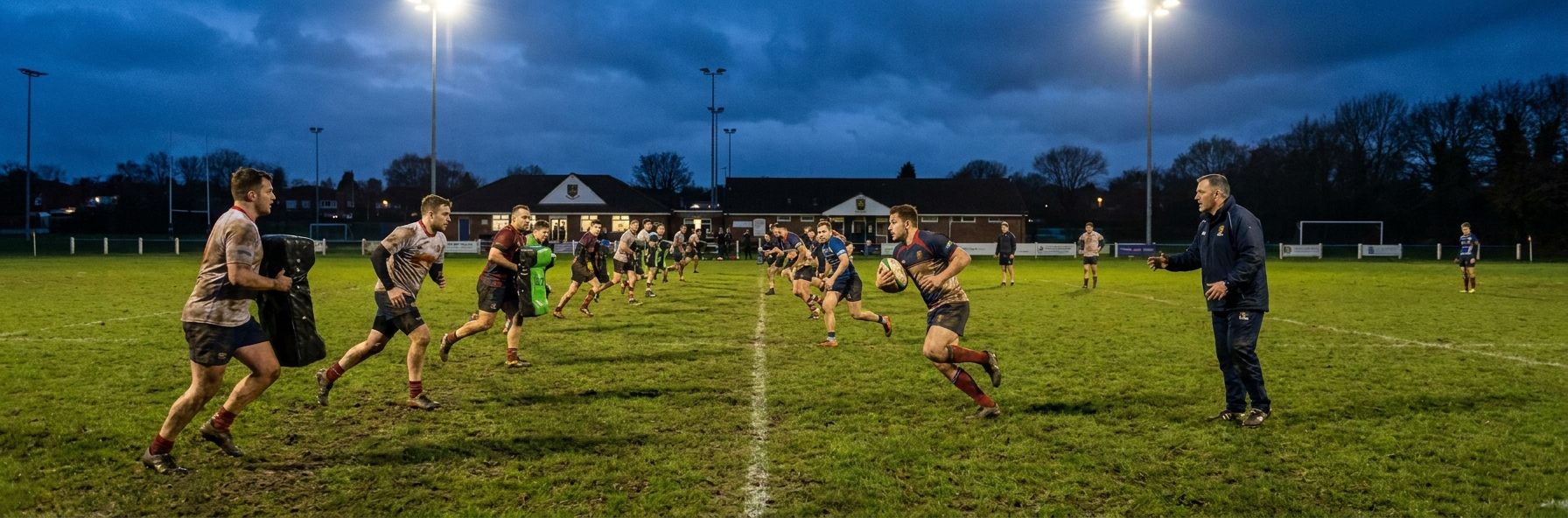
Start with a short technical block where the only focus is hands early and catching in front. Keep it moving and keep the reps high. Then add one form of pressure at a time: a defender who closes, a time limit, or a narrow channel.
Finish with handling under fatigue. Put the passing work straight after a short, sharp conditioning effort, or build it into a continuous game so players have to catch and pass while breathing hard. For forwards, make the passes short, flat and close to contact, because that is where they will need them.
Key Coaching Points
- Show hands early as a target before the pass is thrown, not as the ball arrives.
- Catch the ball in front of the body so there is no need to reload before passing.
- Give the weaker hand equal work in every handling session, for backs and forwards.
- Look up before the catch so the short or long decision is made in advance.
- Add pressure one layer at a time: a defender, then time, then fatigue.
- When players are tired, reward the accurate simple pass over the ambitious one.
Recommended Drills


Frequently Asked Questions
My forwards say passing is a job for the backs. How do I get them to buy in?
Show them where the ball goes to ground in your matches. Most community sides lose possession close to the ruck, not out wide. Keep forwards' handling work short, flat and near contact so it feels like their game, and they will see the point quickly.
Should I teach the spin pass to everyone?
Not before the basics. A spin pass is useful for distance, but a player who cannot catch in front and give a flat pop pass off both hands will not benefit from it. Build accurate short passing first, then add the spin pass for players who need the range.
How much handling should we do in a session?
A little and often works better than one long block. A short technical focus in the warm-up, handling built into your games, and a pressured practice near the end when players are tired will do more than twenty minutes of static passing lines.
 sportplan_rugby