The ball carrier runs at straight at defender. Then attacks the space, either on the left or the right. The trail runner should react to the ball carrier and attack the space to the opposite side to the ball carrier. The ball carrier now has the option of passing inside to the trail runner, if the defender followed him. Or going him self if the defender stayed or went after the trail runner.
The ball carrier needs to draw and fix defender by running a hard line and stepping early. The trail runner needs to communicate with the ball carrier to let him know he is there. The trail runner needs to keep his depth in order to give himself time to react to ball carrier. The trail runner needs to communicate to the ball carrier where the space is, calls for the ball if the defender follows the ball carrier or tells the ball carrier to go for it if the defender stays. The ball carrier is always the first option, they only pass when they know the pass is the better option.
This practice has no coaching points
This practice has no progressions

in more ways than one
 sportplan_rugby


Greasy balls and soft pitches turn tidy handling into a lottery. Here is how to coach your players to keep hold of the ball when November conditions bite.
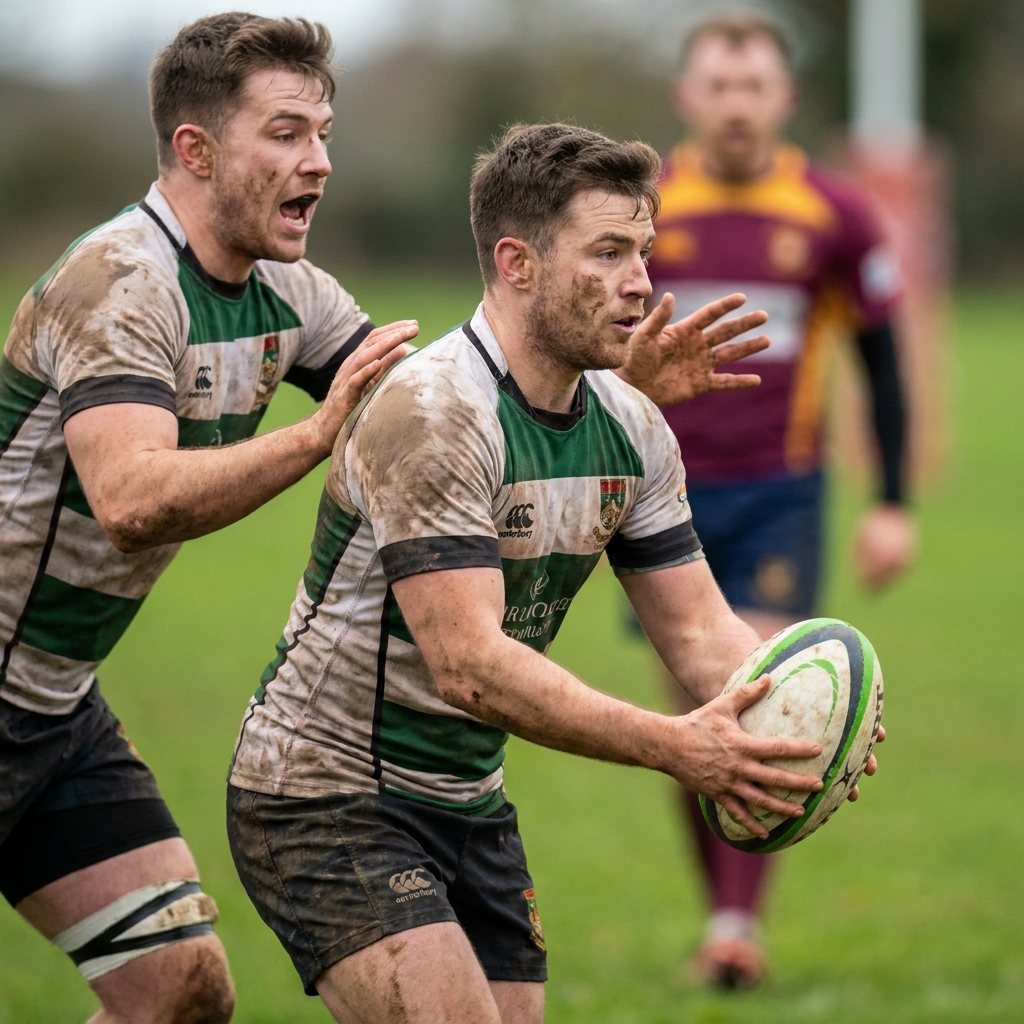
Most line breaks are made by support runners, not ball carriers. Teach the angles, depth and timing that get them there.
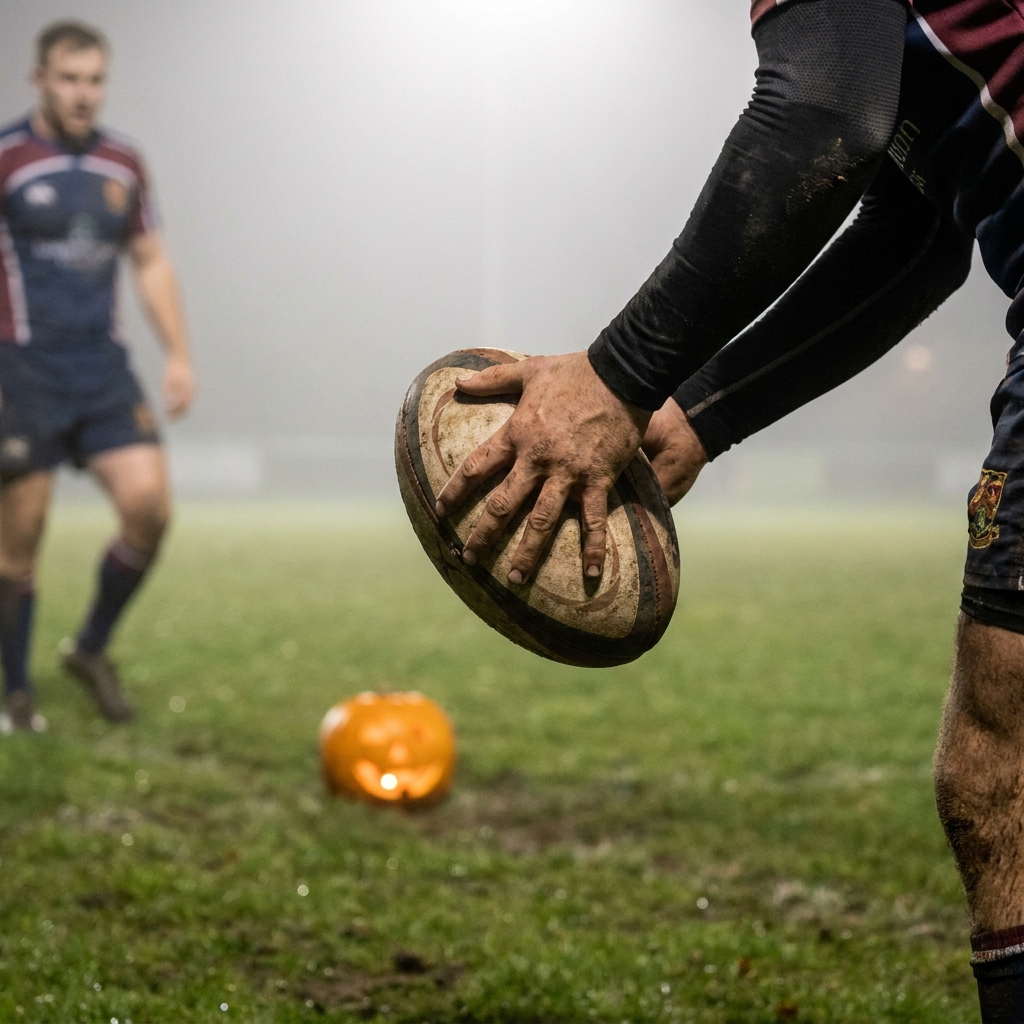
The isolated ball carrier is rugby's spookiest turnover. Here is the five-step fix, plus drills that rebuild support lines fast.