

Receivng drill allows you manipulate the central cones to change the recieve.
Set:
As show in the diagram (closed receive), the distance between the two outer cones can be at your discretion. Recommended would be 30 yards with two cones crating a "defender" at 15 yds. Open receive setp is the same as closed- the run is different. Practice each receive for 5 minutes- or select one (open or closed) and train for 10-15 mins
Instuctions:
2 Players at each outer cone. Player blue F Moves toward the centre cone, recieves the ball from blue A. Depending on the recieve being trained, player blue F passes to red F and returns to opposite cone on the other side. Then player blue A makes their way to the centre cone to receive the ball from red F, the exerices continues in this fashion
Add different variations:
1. Closed receive with an arc to the right or left
2. Open receive, receving o the right (forheand) and left (reverse stick)
3. Open receive with a lift (angling the stick to create a ramp for the ball)
Focus on executing the receive technique .
Meet the ball as it arrivesat the cones- timing of the pass

in more ways than one
 sportplan_netball



in more ways than one
sportplan_hockey
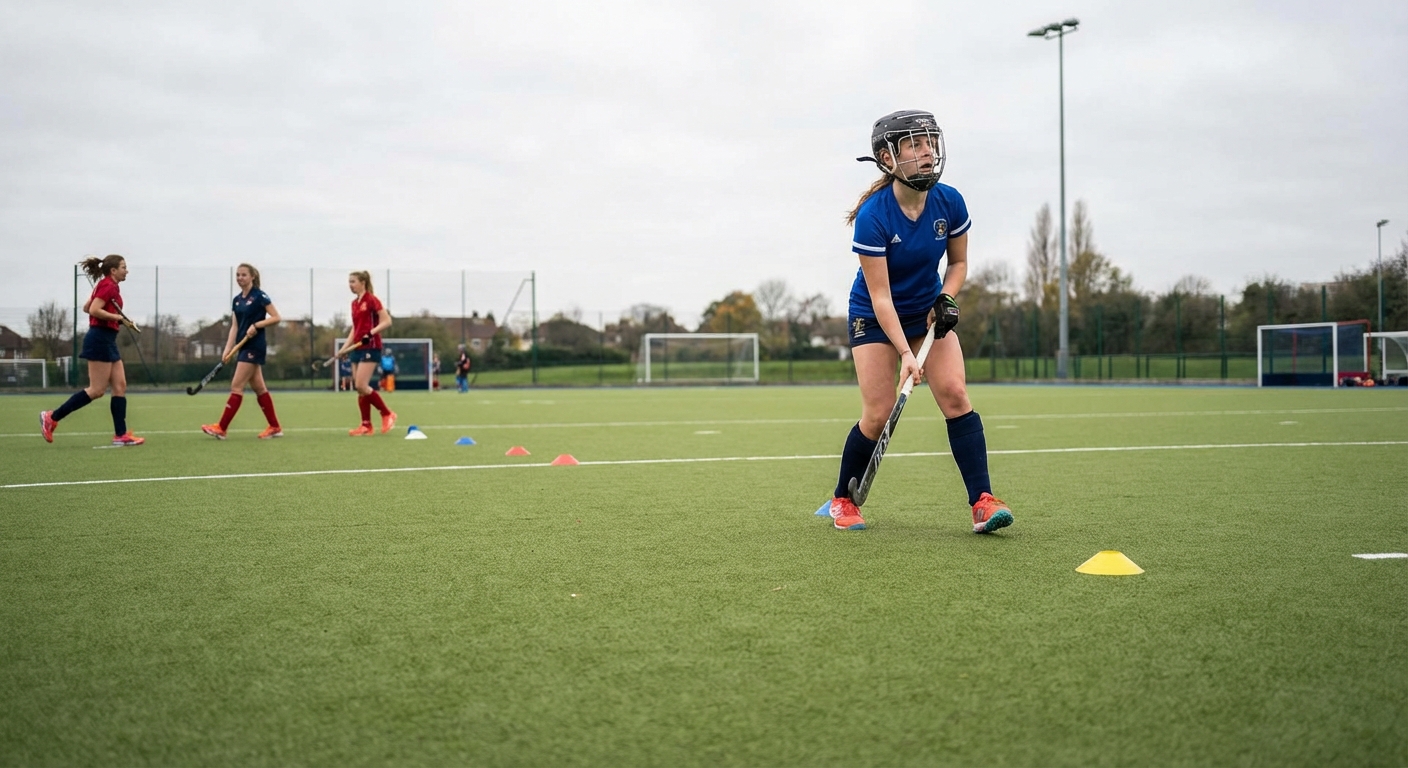
The best hockey players in the world do not just react faster; they scan more frequently and process information before the ball arrives. This article explores the science behind scanning, how to coach spatial awareness as a habit, and practical drills that force players to lift their heads and read the game.
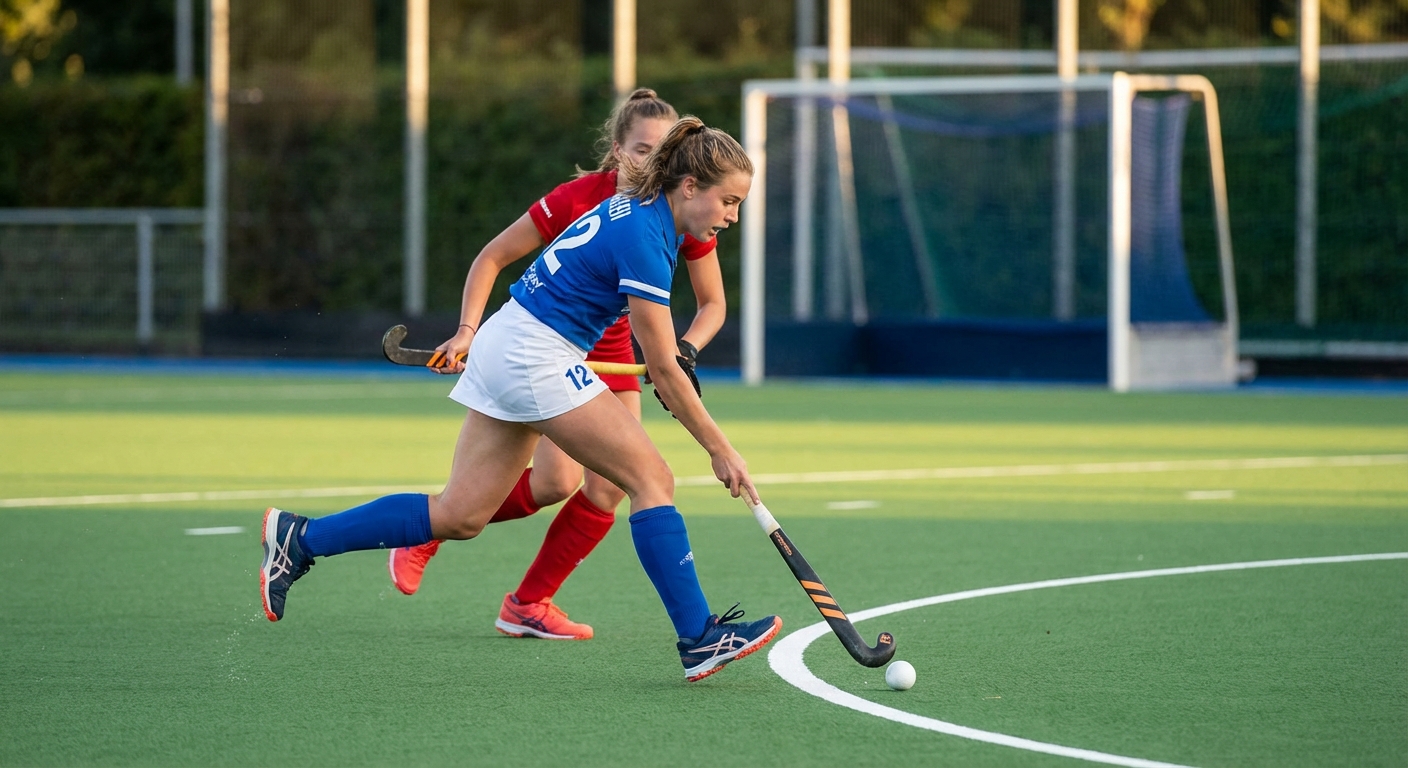
In hockey, you can only score from inside the circle. Getting the ball into the D with purpose and creating genuine shooting chances is the hardest part of attack. This article examines the different types of circle entry, why entry angle determines shot quality, and how to train your team to penetrate the most congested area on the pitch.
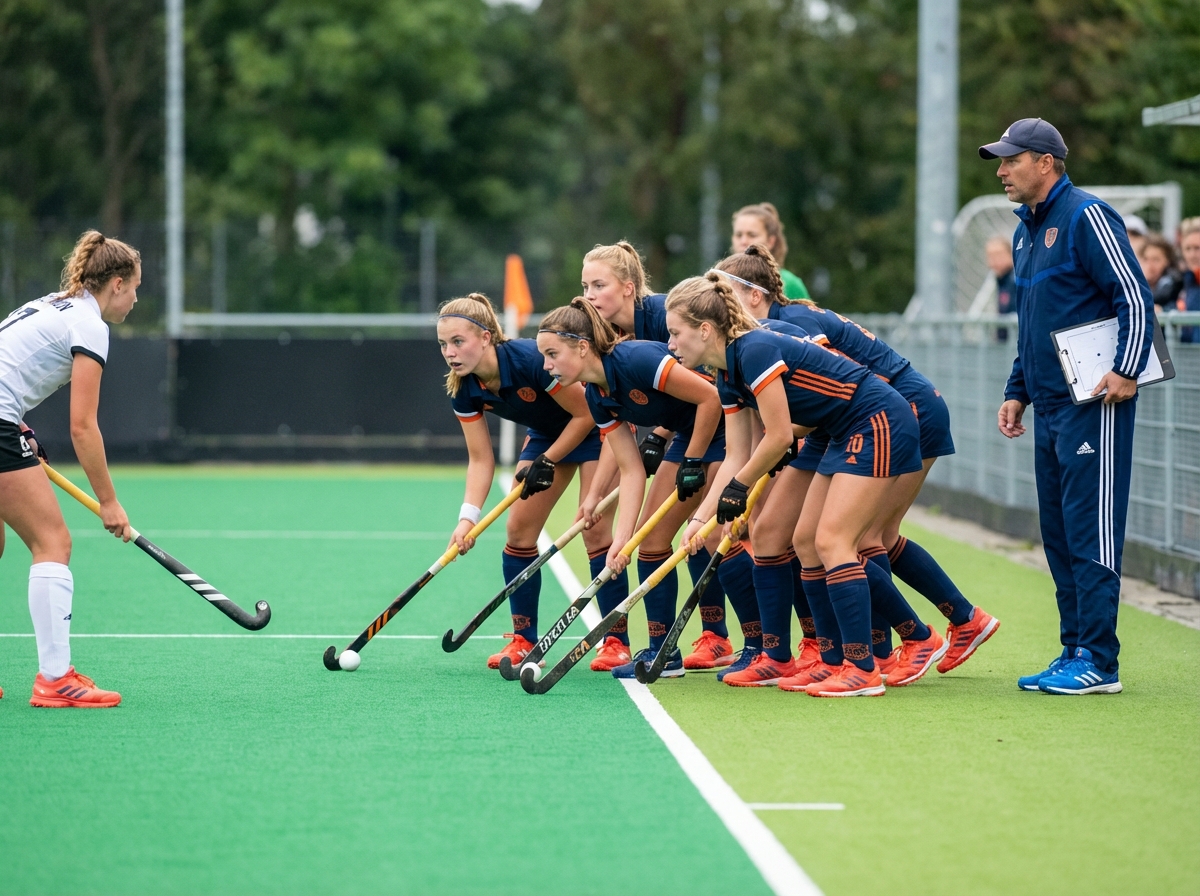
The best teams don't just press - they press at the right moment. Here's how to train your players to read the cues.









