

Recap the same warm up exercise. The rules are simple:
- Every player apart from 2 has a ball. They are dribbling around the area.
- On the whistle the 2 non-ball players have to try to steal a ball and carry it to one of the side boxes. Players can try to tackle back. If hit out the attacker can go and gain their ball back.
- Once the ball is in the box the player who lost the ball now becomes a defender and tries to steal someone else's ball.
- The queen of the ring is the last player with their ball.
- If there is a stick tackle or a foul (foot etc) then the attacker keeps the ball and the defender has to move onto someone else.
- The group will need to be split into two groups of 15 or so. Could stream this on ability to make sure all players have a fair chance. Make sure the groups are different from the warm up groups so players are being challenged and stretched by new defenders.
- Focus on pulling aside any players which are weak at block and jab tackles still. Might be they aren't timing the ball right, body position or incorrect grip.
- Over kill the PALM2 acronym when players are playing so all the principles are complete and the chances of a better tackle are higher.
- Feedback to the players as to whether they were using the principles/ coaching points learnt in the session and if this lead to their time being beaten.

in more ways than one
 sportplan_netball



in more ways than one
sportplan_hockey

The first weeks of the season decide whether a junior or new player sticks with adult hockey. Here is how to keep them safe, give them a clear job and build their confidence from the very first bully.
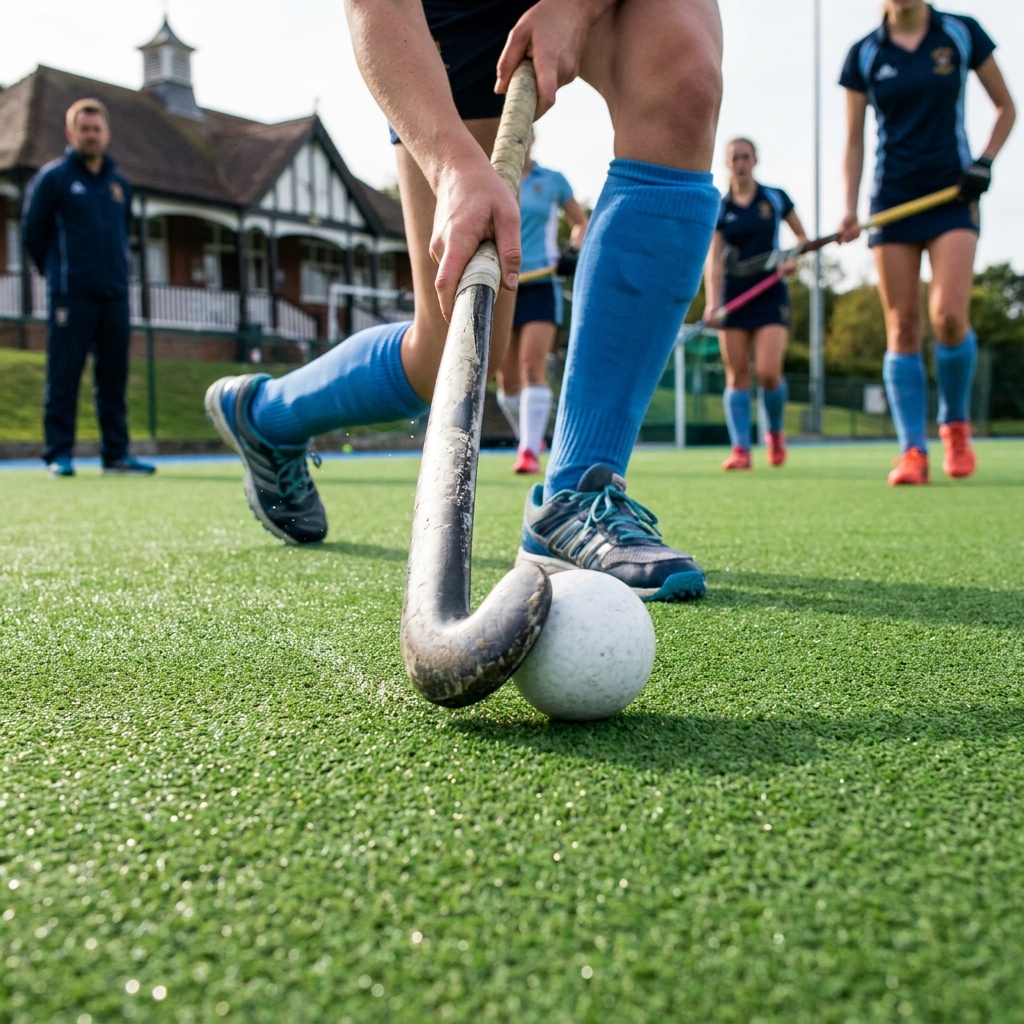
Most tackles are lost before the stick goes down. Teach your defenders to channel, wait and choose the right tackle, and you will win more ball and give away fewer cards.
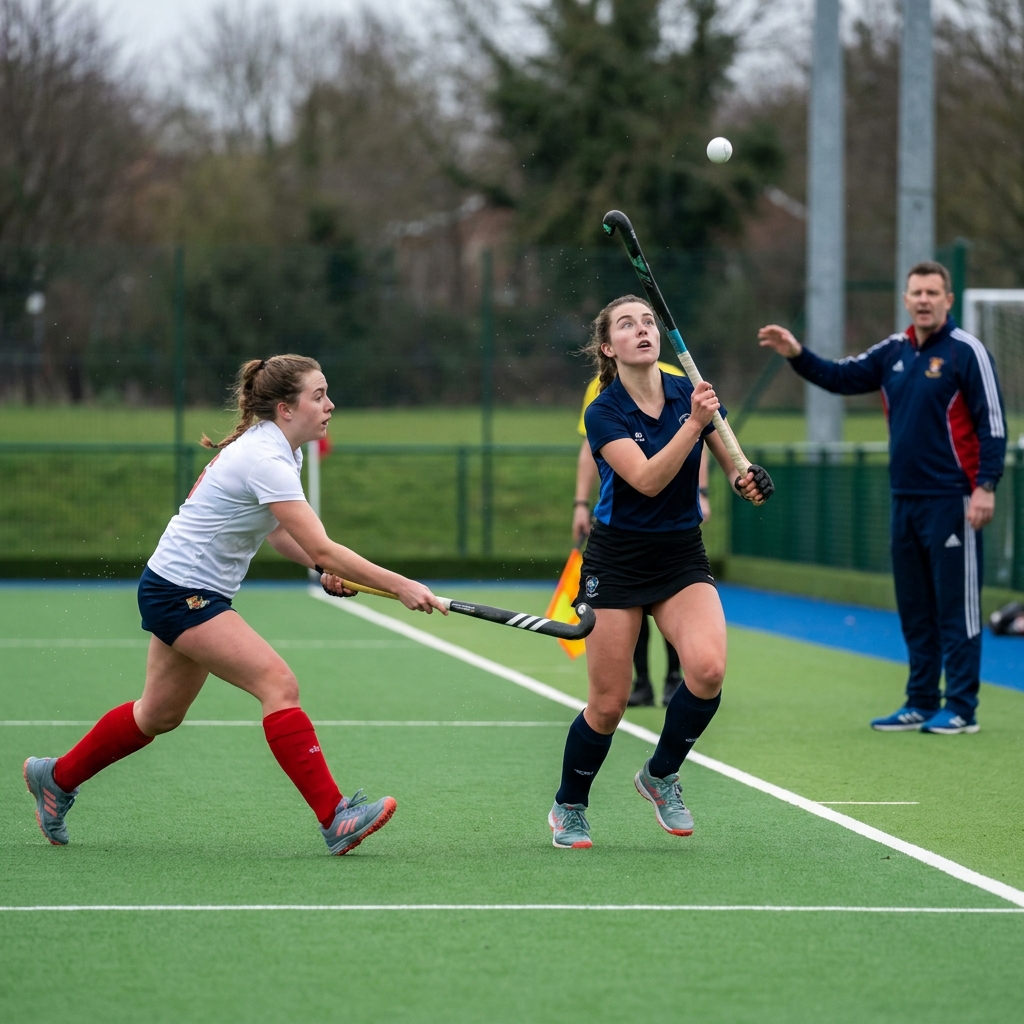
England Hockey's rule guidance for 2026/27 takes effect from 1 September. Here are the changes that will actually alter how you coach, and how to brief your squad in one pre-season session.









