

1. Height the ball is thrown- the higher the ball the harder it will be to trap. Partners should vary the heights they feed into the player. At this stage it is not about throwing a harder ball at them, as if they can trap at different heights the speed won't matter.
2. Get the players to run into the box and trap a lifted ball on the move.
3D trapping specific:
- You use the exact same techniques outlined above for reverse and forehand trapping but you should the stick position to more up right. This means if you have lined the stick and the ball line up correctly, you will trap the ball somewhere on the stick- doesn't matter what height as the stick length will cover that. If you have the stick angled you risk the ball coming up your stick into your body or bouncing down and away. Players still need to cushion the ball into their bodies to help reduce the distance the ball then goes afterwards.

in more ways than one
 sportplan_netball



in more ways than one
sportplan_hockey
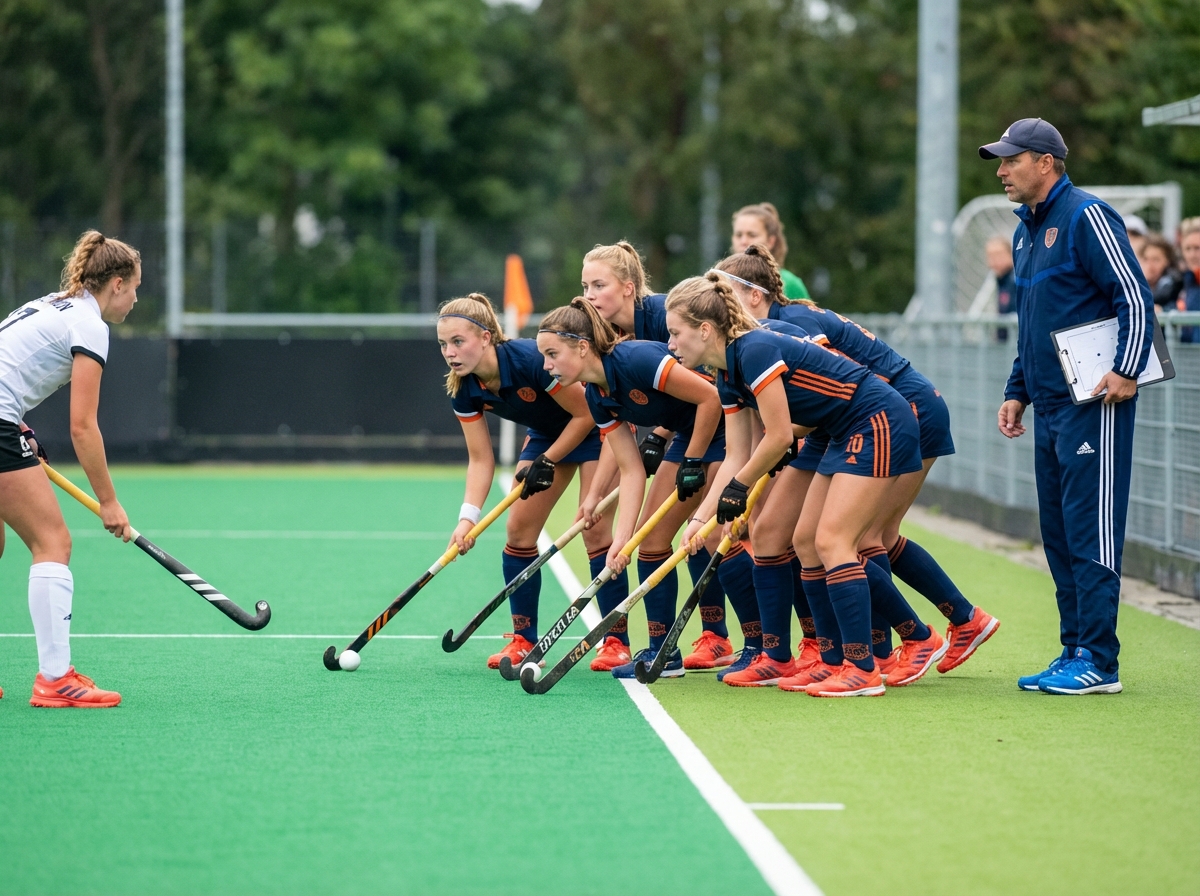
The best teams don't just press - they press at the right moment. Here's how to train your players to read the cues.
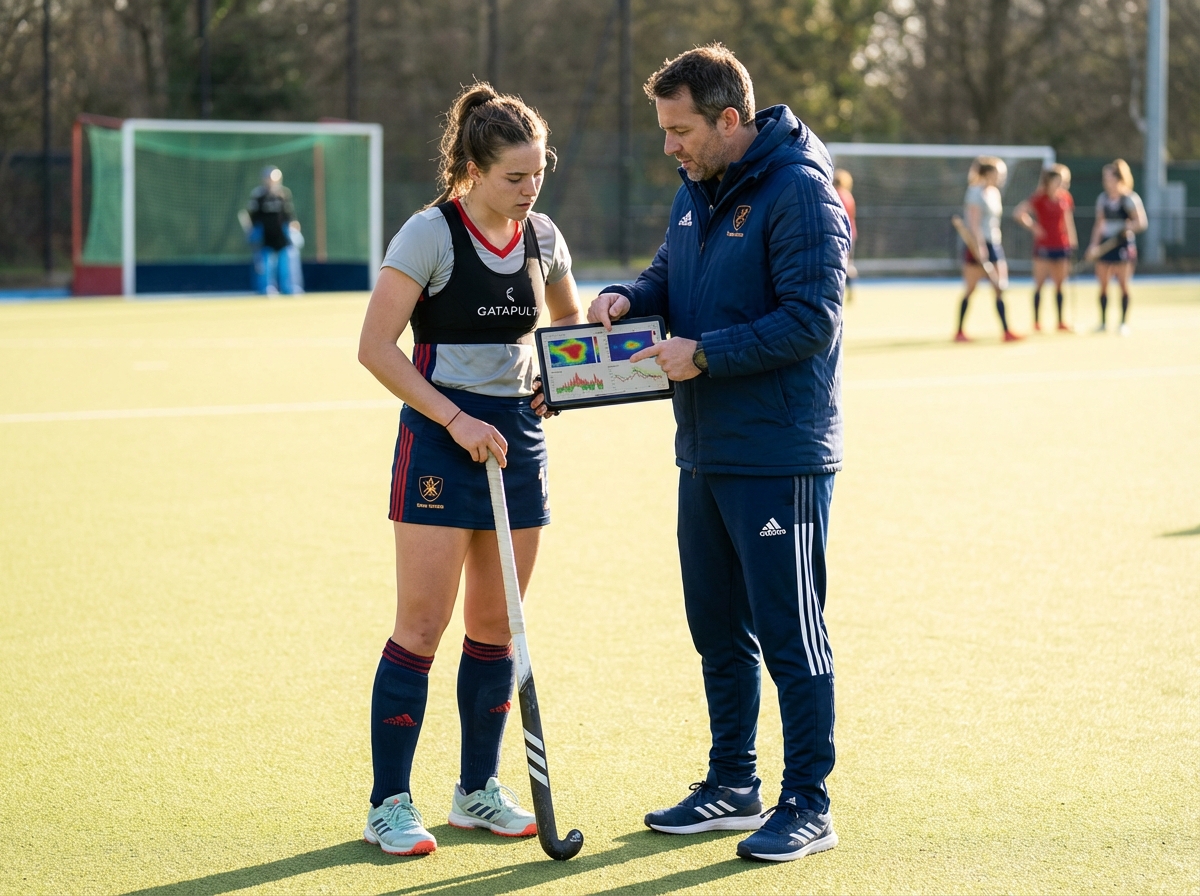
Affordable tracking technology has reached grassroots hockey. Here's how to use it to improve performance without drowning in data.
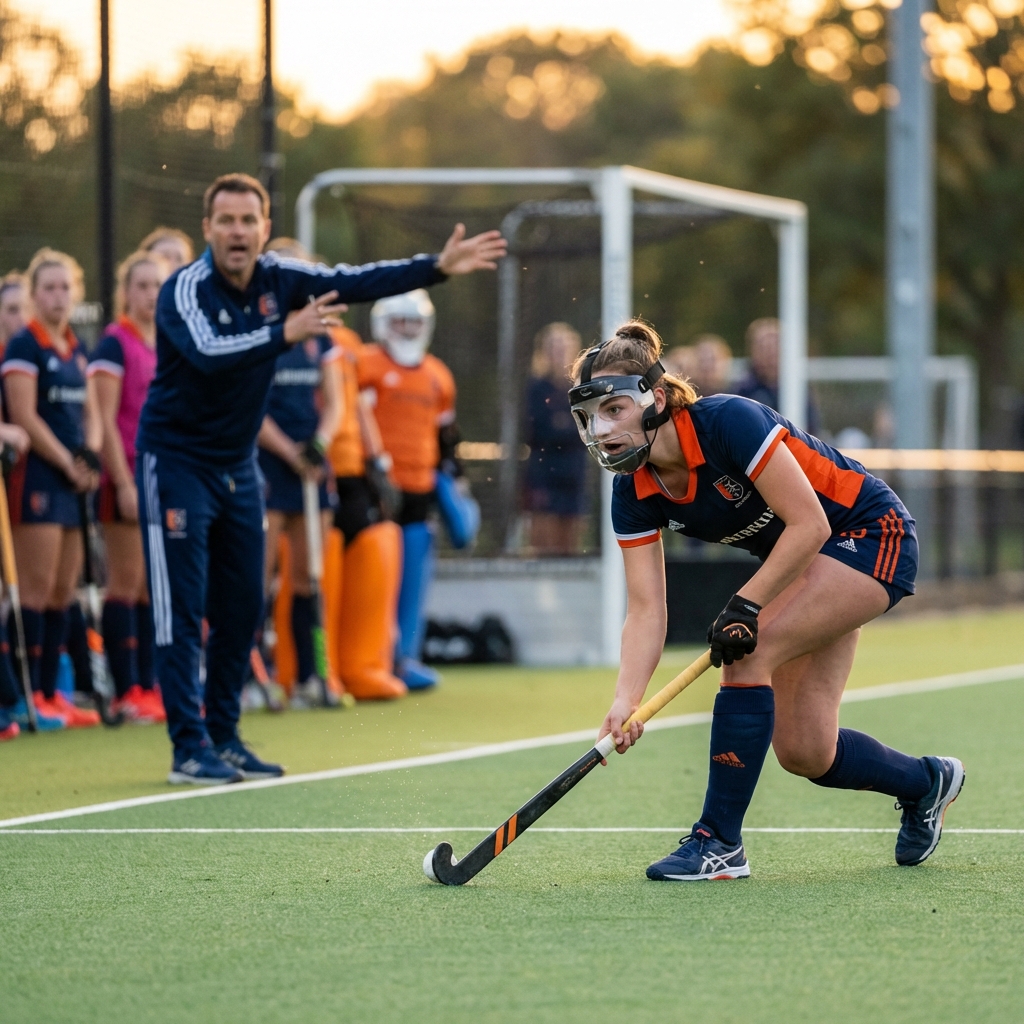
2026 is the first full year with mandatory face masks for penalty corner defence. Here's how to train your defenders for the new equipment reality.









