

Key:
Defenders - Blue
Attackers - Red
Set Up:
Divide the field in 2 down the center using a line of cones.
Set up 6 cones in the midfield in two separate v formations. These are going to act as "pockets" to play into.
Place players as indicated on diagram. 1 feeder, an attacker in each pocket, a defender in each pocket.
1 defender and attacker on each side in the 23 and one defender and attacker that will play both sides.
Drill:
Start ball at feeder.
Feeder uses self-pass and passes to midfielder in the pocket. The pass should alternate each side every time the drill is run.
Midfielder must beat the defensive player using a designated skill. The skill can be decided on by the coach or player, depending on outcomes.
- Good options are the arc into space, the reverse spin, 3d skills, or the pass back out to the feeder and lead into space to receive again.
To start, let the defender only apply pressure (no tackling).
Progress to when there is full pressure with tackling and you can even add an additional defender to make it a 2v1 in the pocket.
Once the midfielder breaks through the pocket they join the attack (3v2) overload situation.
Initially give the strikers designated set leads. As you progress you can let them choose their own leads.
The 2 defensive players can either man mark or zone mark, again depending on what the coaching outcomes are.

in more ways than one
 sportplan_netball



in more ways than one
sportplan_hockey
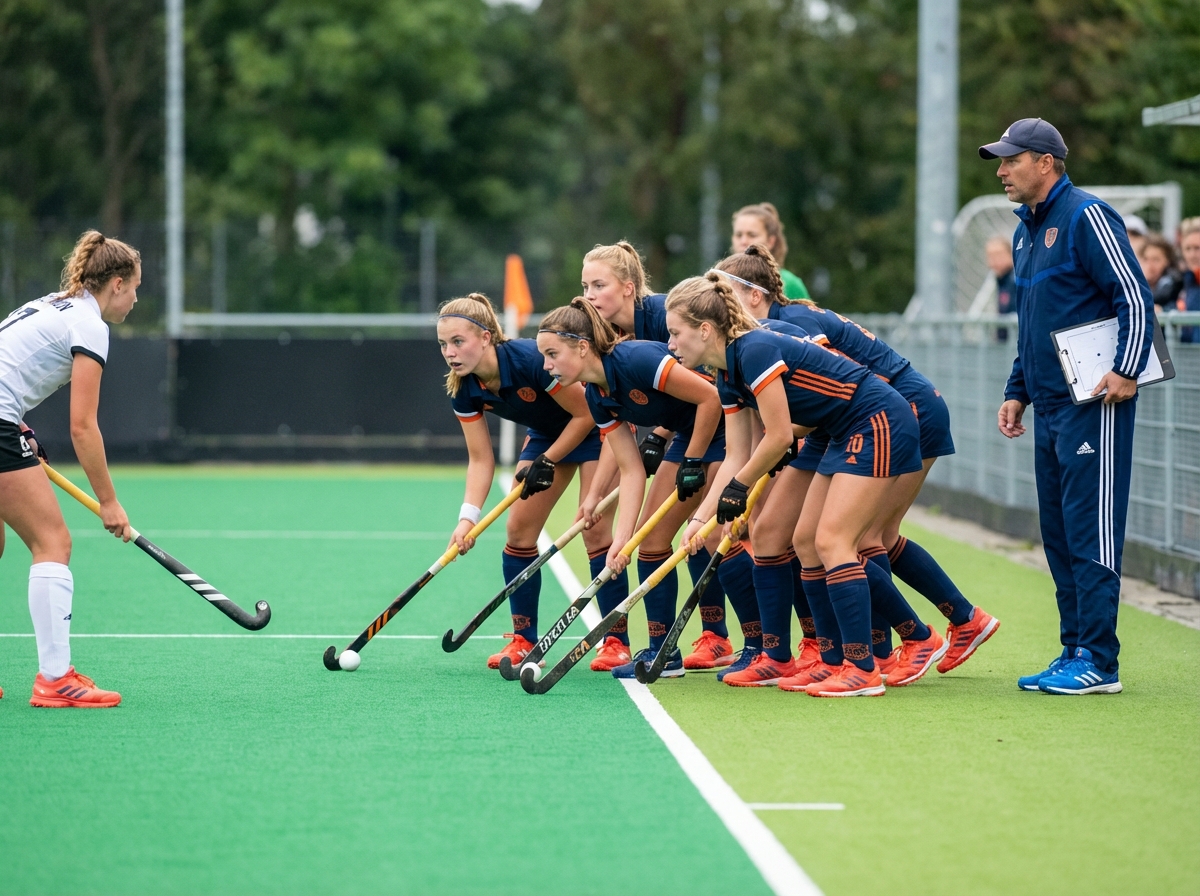
The best teams don't just press - they press at the right moment. Here's how to train your players to read the cues.
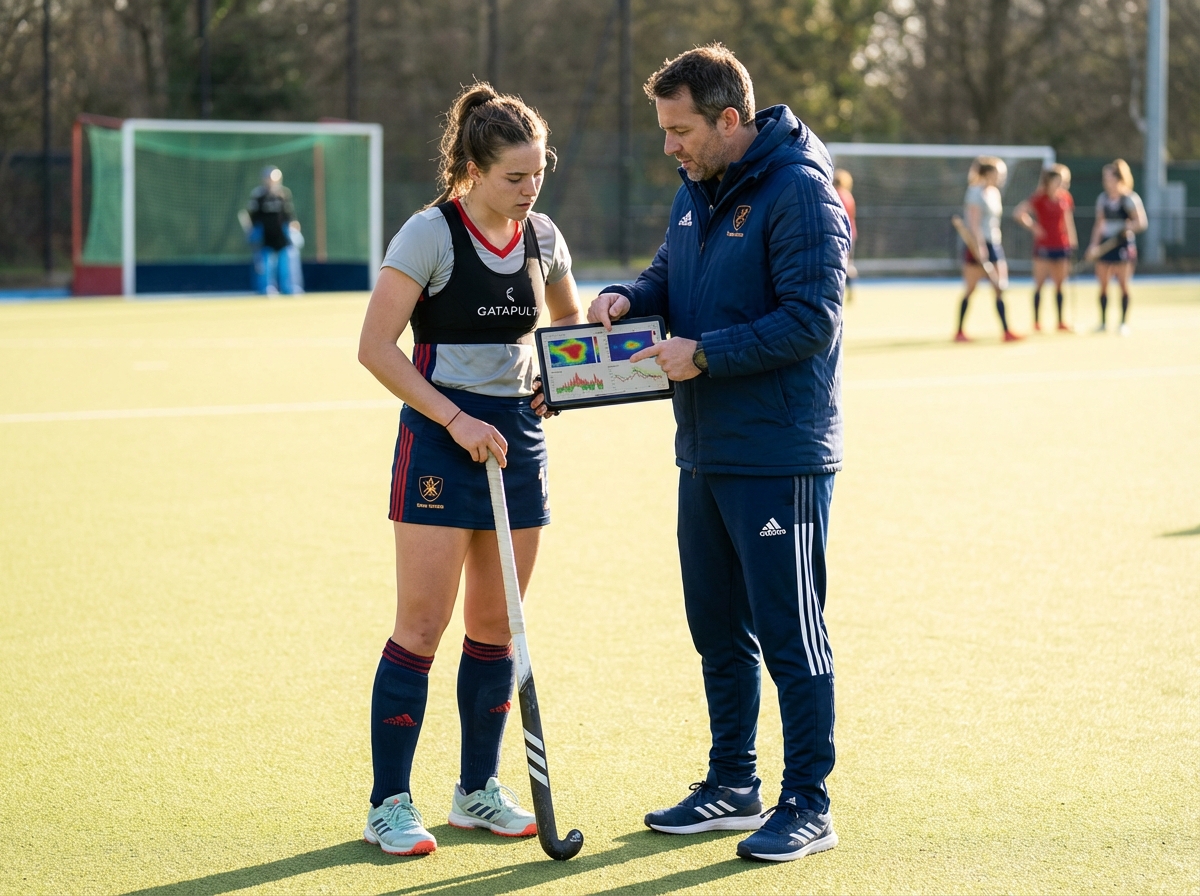
Affordable tracking technology has reached grassroots hockey. Here's how to use it to improve performance without drowning in data.
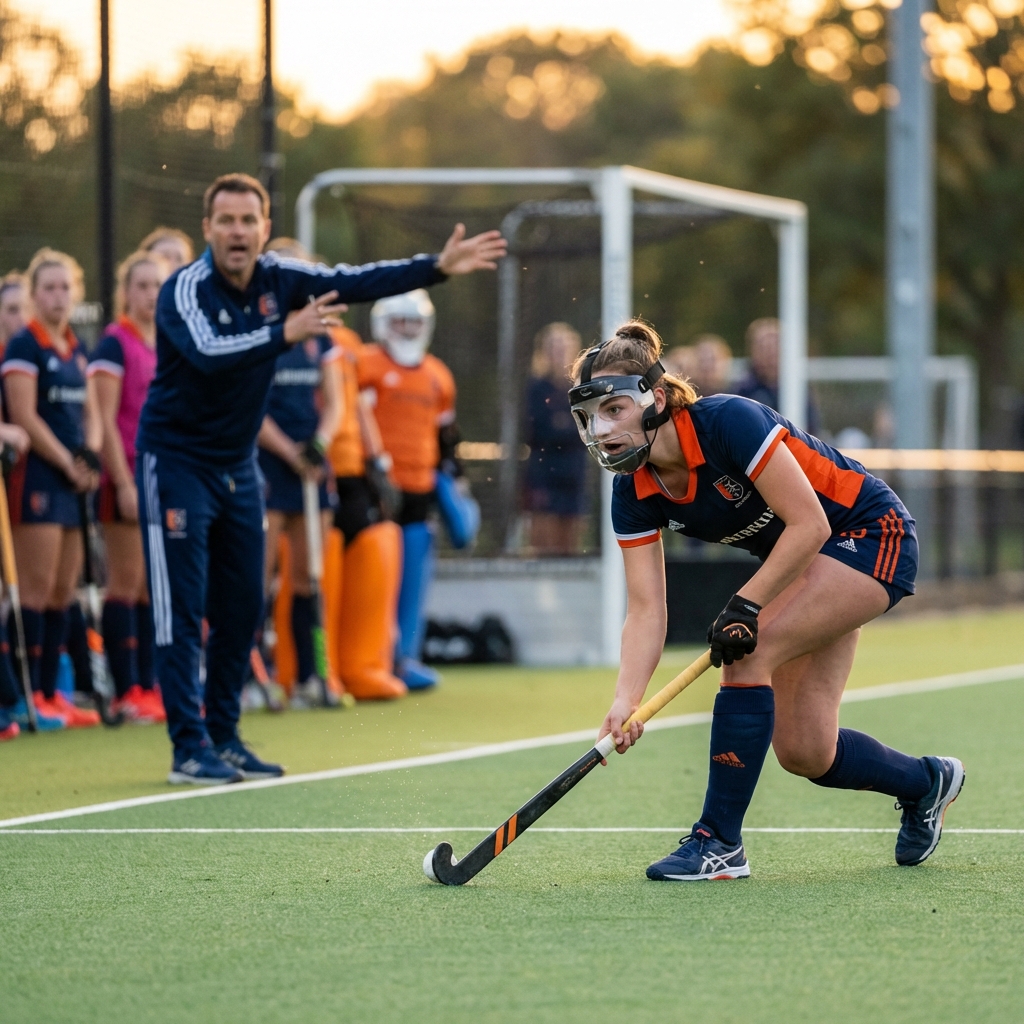
2026 is the first full year with mandatory face masks for penalty corner defence. Here's how to train your defenders for the new equipment reality.









