

Players are divided into 2 groups. The line up behind the 2 cones just outside the 'D'. Each group has a stack of hockey balls.
Player on the left makes the pass to the front player on the right and runs into the top of the 'D'. Player on the right returns the pass into the top of the 'D'. The player on the left who has entered the 'D' then takes a shot. After his/her shot, the player makes their way around the back to the opposite line.
Then its the turn of the player on the right. THe pass, run and recieve before shooting and moving around the back to the line on the left.
Make sure players move around the back and not in front of the shooting drill.
Add a goal-keeper to make scoring more difficult.
Another progression is adding a defender - Attacker 1 passes to defender, defender passes back to attacker and the attack begins ... both players run in and use their numerical advantage to beat the lone defender and ahoot, hopefully scoring.
Player who takes the shot goes to the back of the opposite line while player who created the pass becomes defender. Defender relocates to the other line ... opposite to the one the shooter joins.
Award 1 point for a shot on target and 2 points for a goal.

in more ways than one
 sportplan_netball



in more ways than one
sportplan_hockey

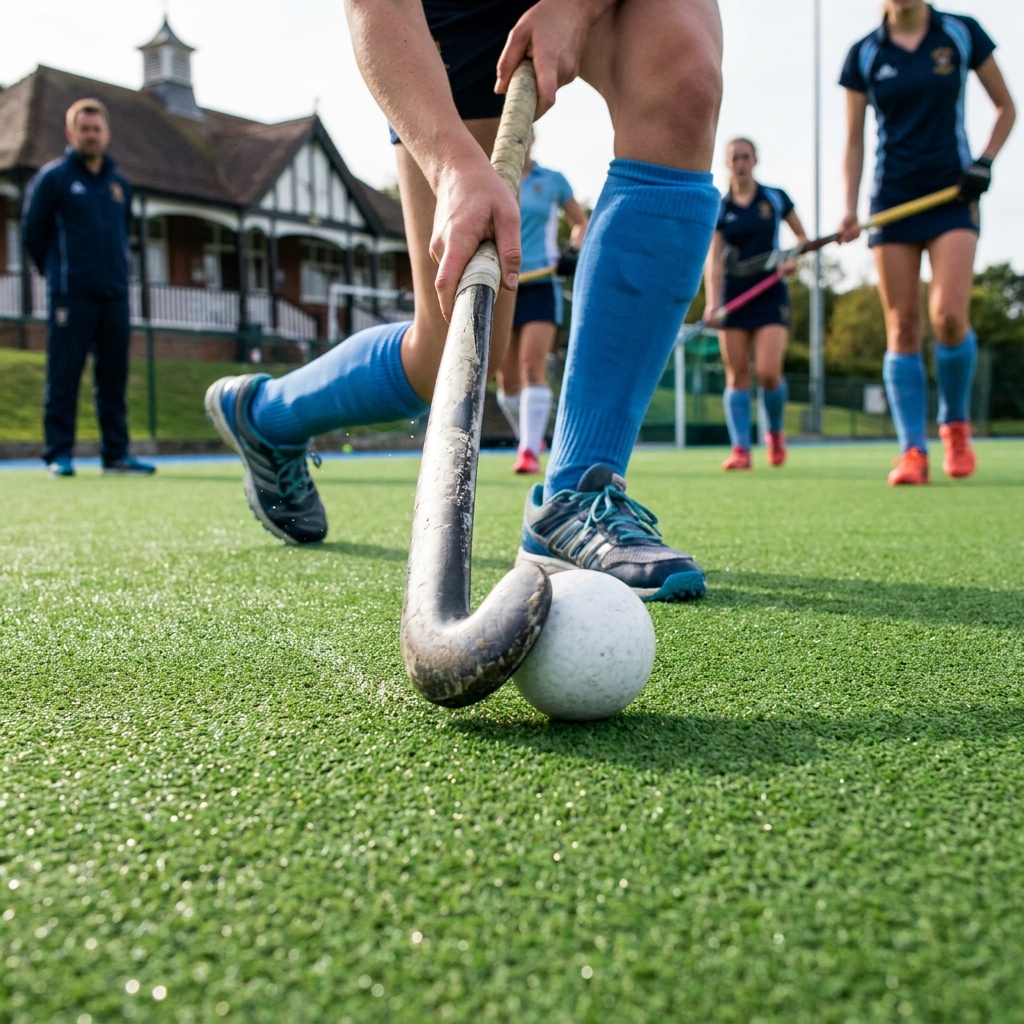
The first weeks of the season decide whether a junior or new player sticks with adult hockey. Here is how to keep them safe, give them a clear job and build their confidence from the very first bully.
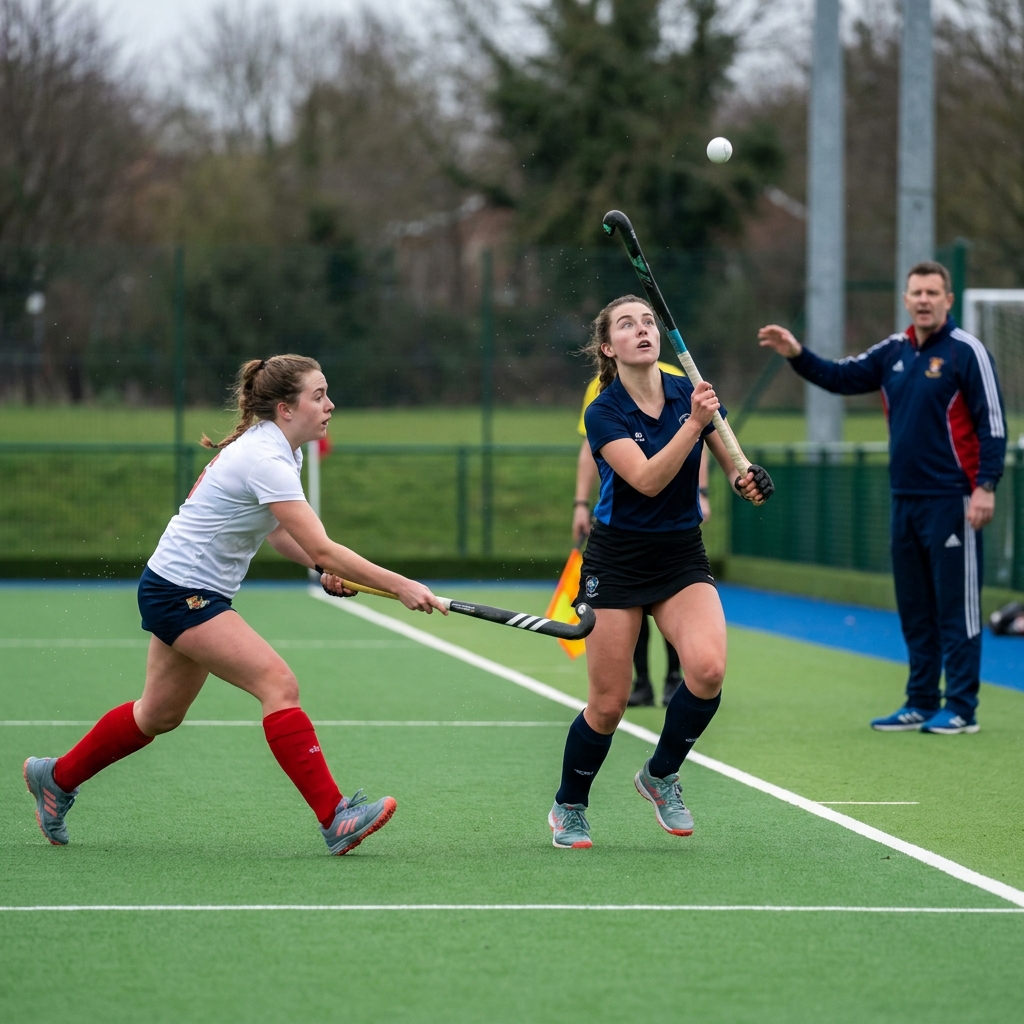
Most tackles are lost before the stick goes down. Teach your defenders to channel, wait and choose the right tackle, and you will win more ball and give away fewer cards.
England Hockey's rule guidance for 2026/27 takes effect from 1 September. Here are the changes that will actually alter how you coach, and how to brief your squad in one pre-season session.









