

Set up 5 cones like the number on a dice, the four on the outside 8 yards apart and the 5th cone in the centre.
5 players, player on each cone and one. It is a basic pass and follow drill to improve:
When getting used to the dril use one ball only and follow your pass. Once players are begining to get the hang of it and are playing with fluency, add a second ball and tell the players they don't have to always run to where they have passed, they can run to the free cone or do an eg 1-2.
The drill can be increased in size by adding a second 5 cones, making 10 in one drill, or to 11 by adding an extra cone into the middle of the two 5s. The balls can be passed in any direction. If the option is on, they can throw an ariel from one end of the drill to another. There are no limits. Players may need to pre pre-scan. The more players, the more balls (minimum 3 balls for 11 players)
Pre-scan before the ball is recieved.
Open the body up as much as possible, so that thee are more passes on, especially if on the central cone.
High ball pace, as only passing over a few yards, sprinting to each cone.
Call name AND direction.

in more ways than one
 sportplan_netball



in more ways than one
sportplan_hockey
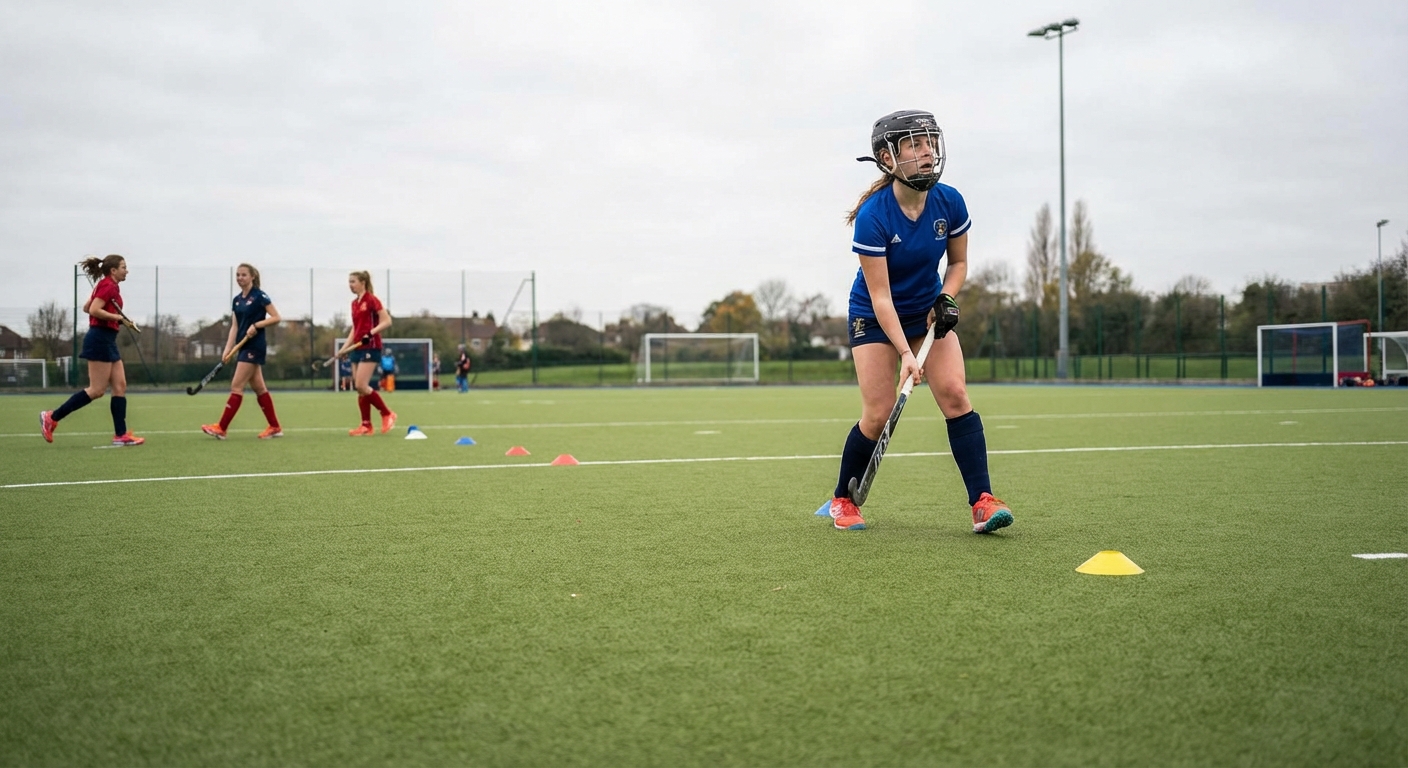
The best hockey players in the world do not just react faster; they scan more frequently and process information before the ball arrives. This article explores the science behind scanning, how to coach spatial awareness as a habit, and practical drills that force players to lift their heads and read the game.
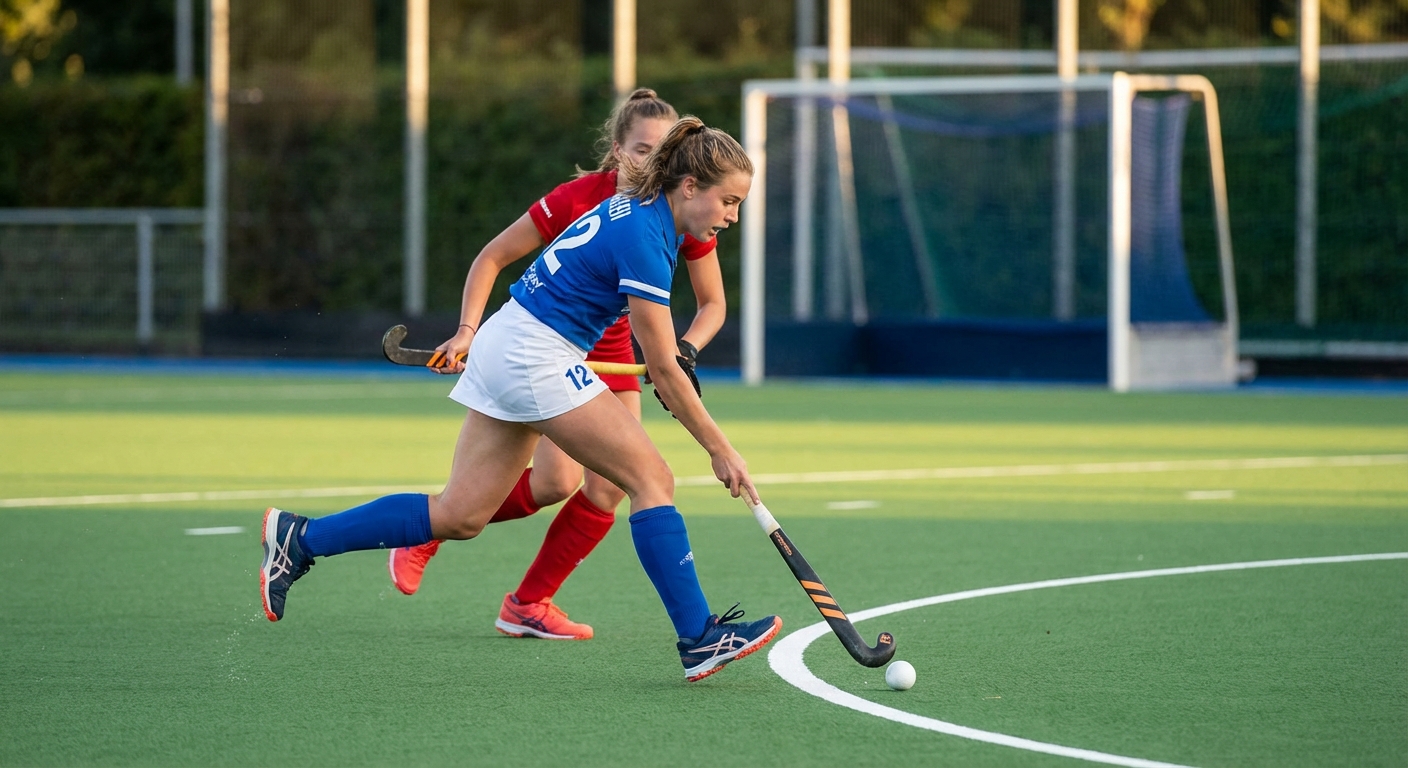
In hockey, you can only score from inside the circle. Getting the ball into the D with purpose and creating genuine shooting chances is the hardest part of attack. This article examines the different types of circle entry, why entry angle determines shot quality, and how to train your team to penetrate the most congested area on the pitch.
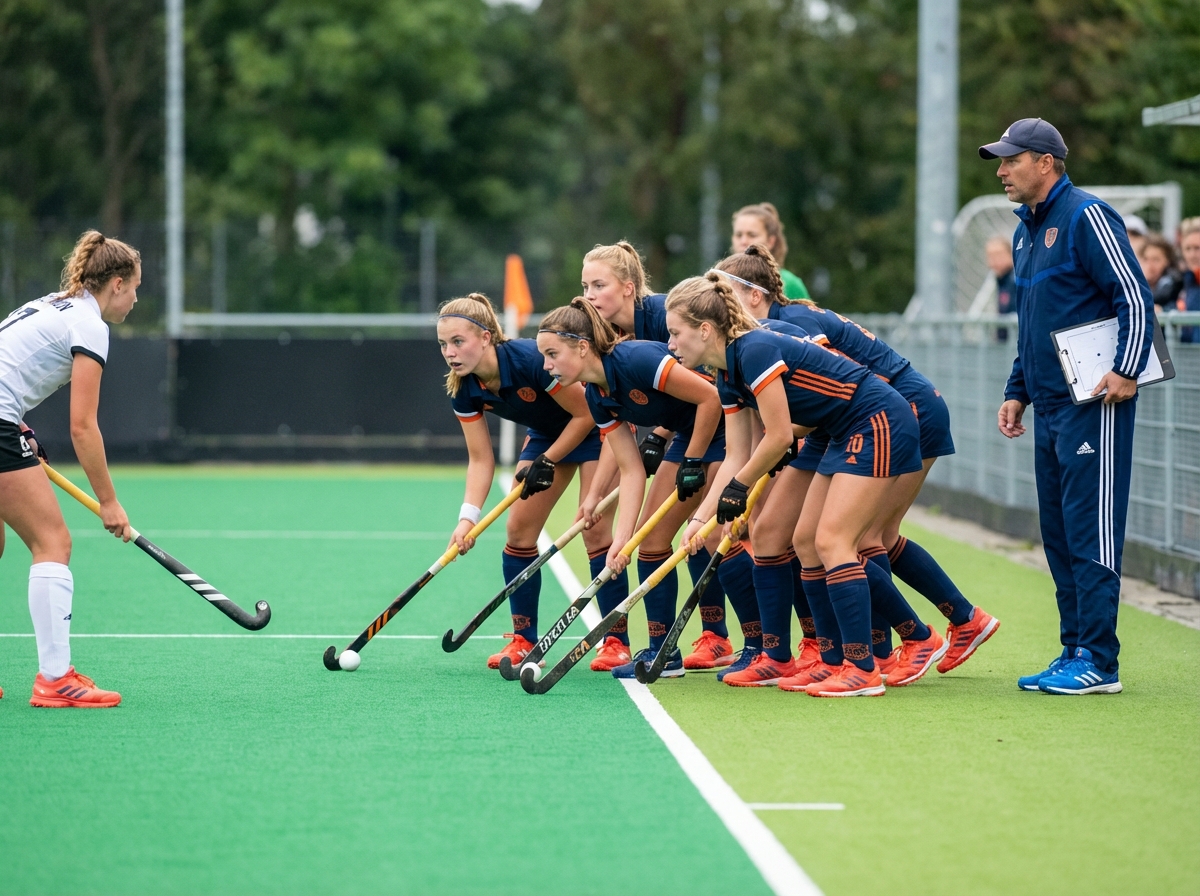
The best teams don't just press - they press at the right moment. Here's how to train your players to read the cues.









