

Players stand just inside the half way line and use either 3D skills or drags to weave their way through the sets of spaced out obstacles.
Once the players are through the cones they start a shootout and have 8 seconds to take a shot or to test the keepers foot work.
When going over the cones the attackers must keep control of the ball by sacrificing speed and keeping their stick parralel with the ground to avoid pushing the ball away.
The goalie needs to be weary of over committing by using small steps and staying centred.
A defender can be added in to make it a 1 v 1 or a second goalie can be included as the defender to promote the keeper to stay centred when moving on their feet.
Use this drill as a simple fun drill that allows players to relax their attention and to break up more intense drills that require constant thought that can be draining.

in more ways than one
 sportplan_netball



in more ways than one
sportplan_hockey

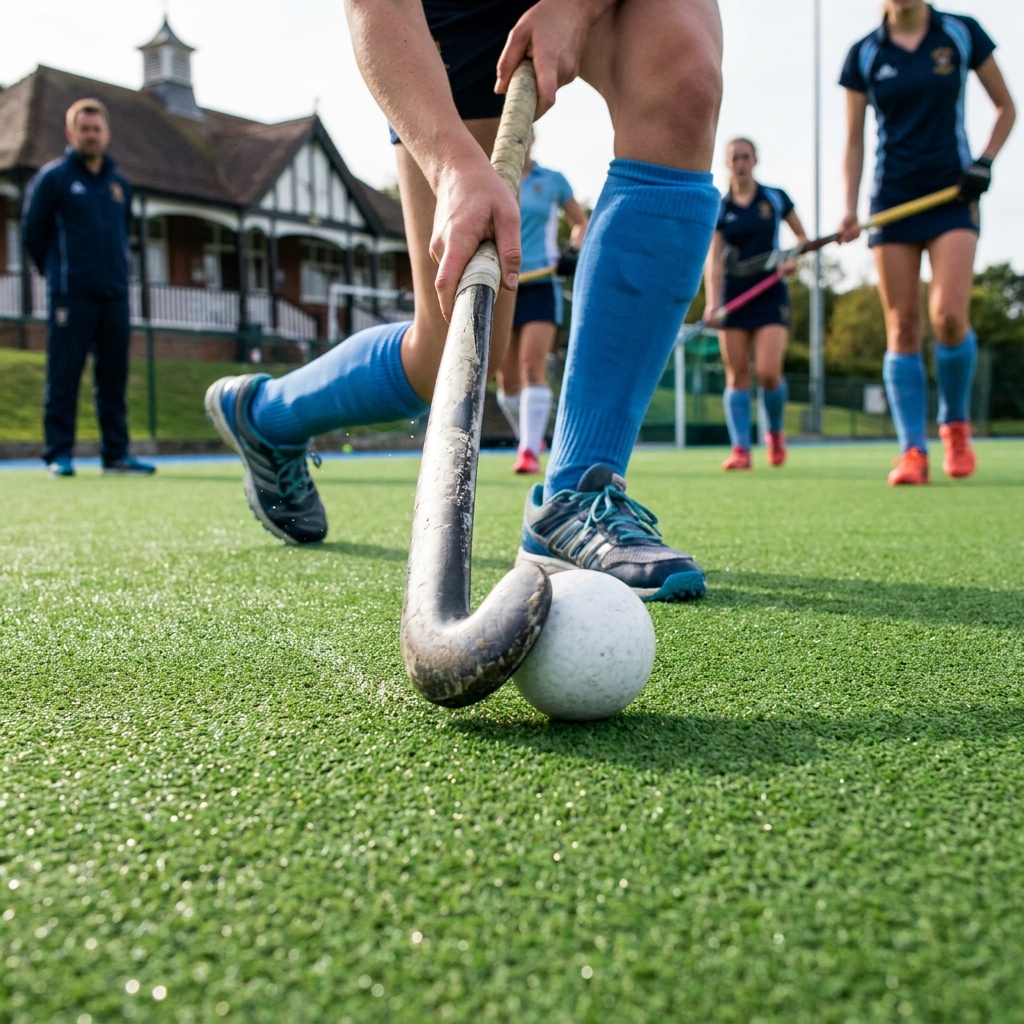
The first weeks of the season decide whether a junior or new player sticks with adult hockey. Here is how to keep them safe, give them a clear job and build their confidence from the very first bully.
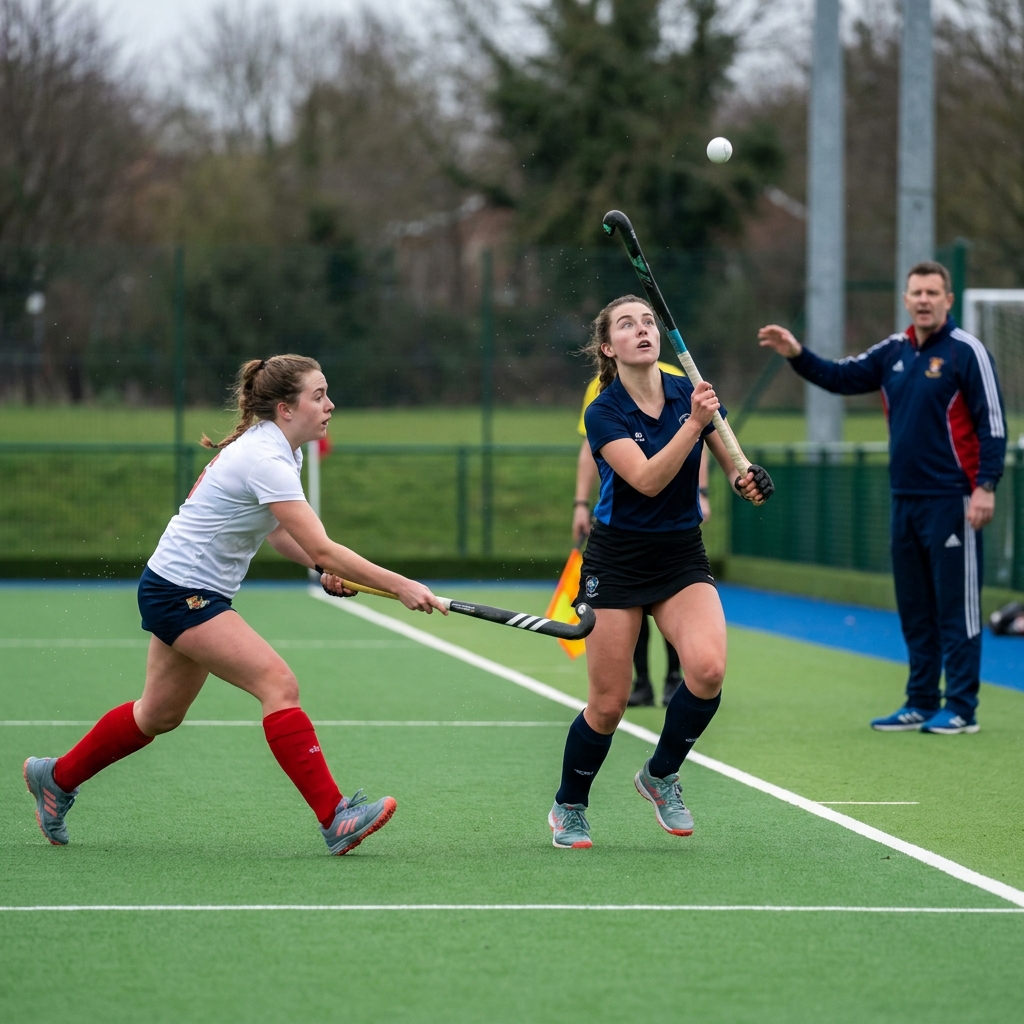
Most tackles are lost before the stick goes down. Teach your defenders to channel, wait and choose the right tackle, and you will win more ball and give away fewer cards.
England Hockey's rule guidance for 2026/27 takes effect from 1 September. Here are the changes that will actually alter how you coach, and how to brief your squad in one pre-season session.









