

3-4 players at all 4 stations, plus GKs.
White; Defender or DM, drive the ball forward.
Blue; CM move to the ball, receive, control and feed RM. Then, move to penalty spot ready to score.
Red; RM move alongside CM, receive the pass, turn and drive the ball down the line to RW.
Yellow; RW move to the ball to receive the pass. Turn, attack the end line and cut in towards goal. Cross to the penalty spot.
White CF; when the CM comes into the D, move to the far post for deflection or rebound.
GK; when the player has controlled the ball and is ready to shoot, advance to close her down and block/clear the shot, putting pressure on the shooter.
Once the CM has received the ball to shoot, the next white player can drive the ball - keep the drill moving. 10 minutes, then change stations.
Points of focus: Keep the ball moving. Move to receive the ball. Yellow player attacks the end line aggressively before crossing. Shooter receives ball and shoots quickly. GK shuffle advances quickly on the shooter.

in more ways than one
 sportplan_netball



in more ways than one
sportplan_hockey

The first weeks of the season decide whether a junior or new player sticks with adult hockey. Here is how to keep them safe, give them a clear job and build their confidence from the very first bully.
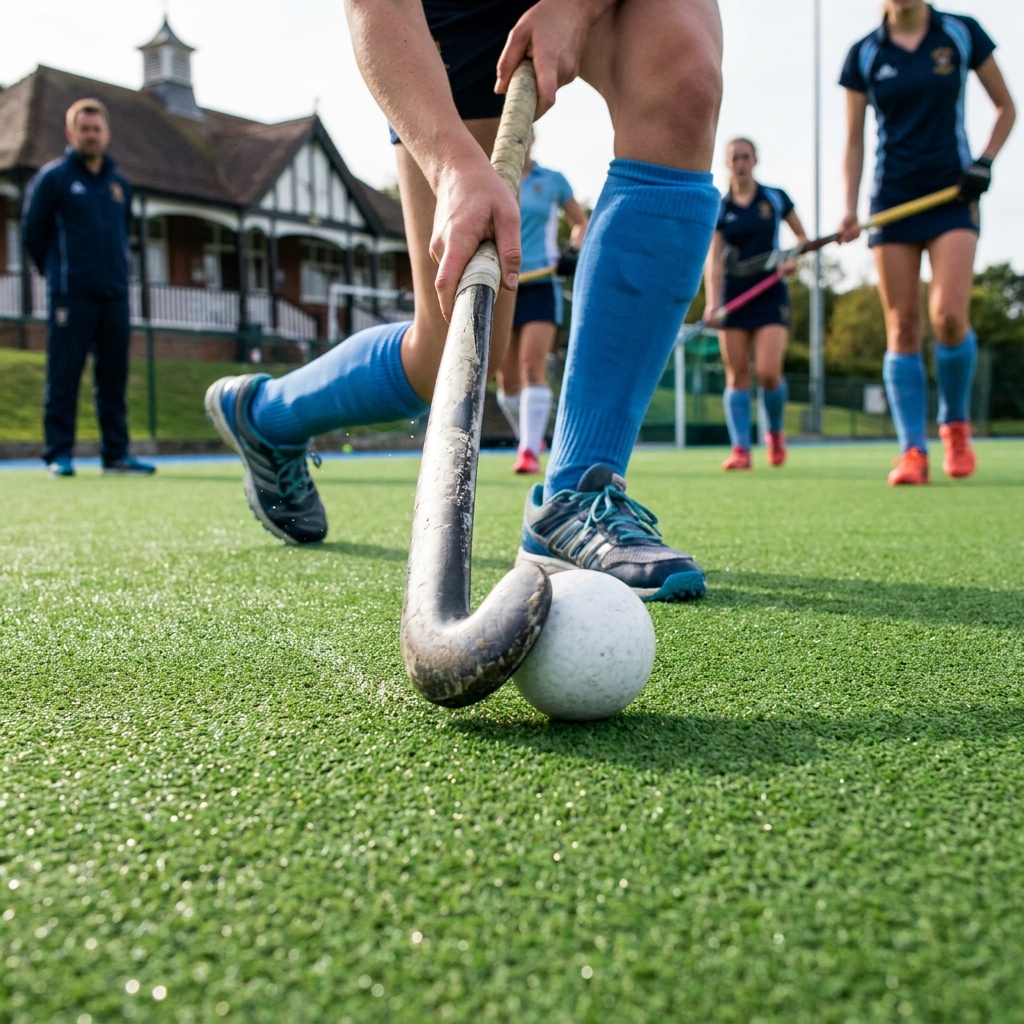
Most tackles are lost before the stick goes down. Teach your defenders to channel, wait and choose the right tackle, and you will win more ball and give away fewer cards.
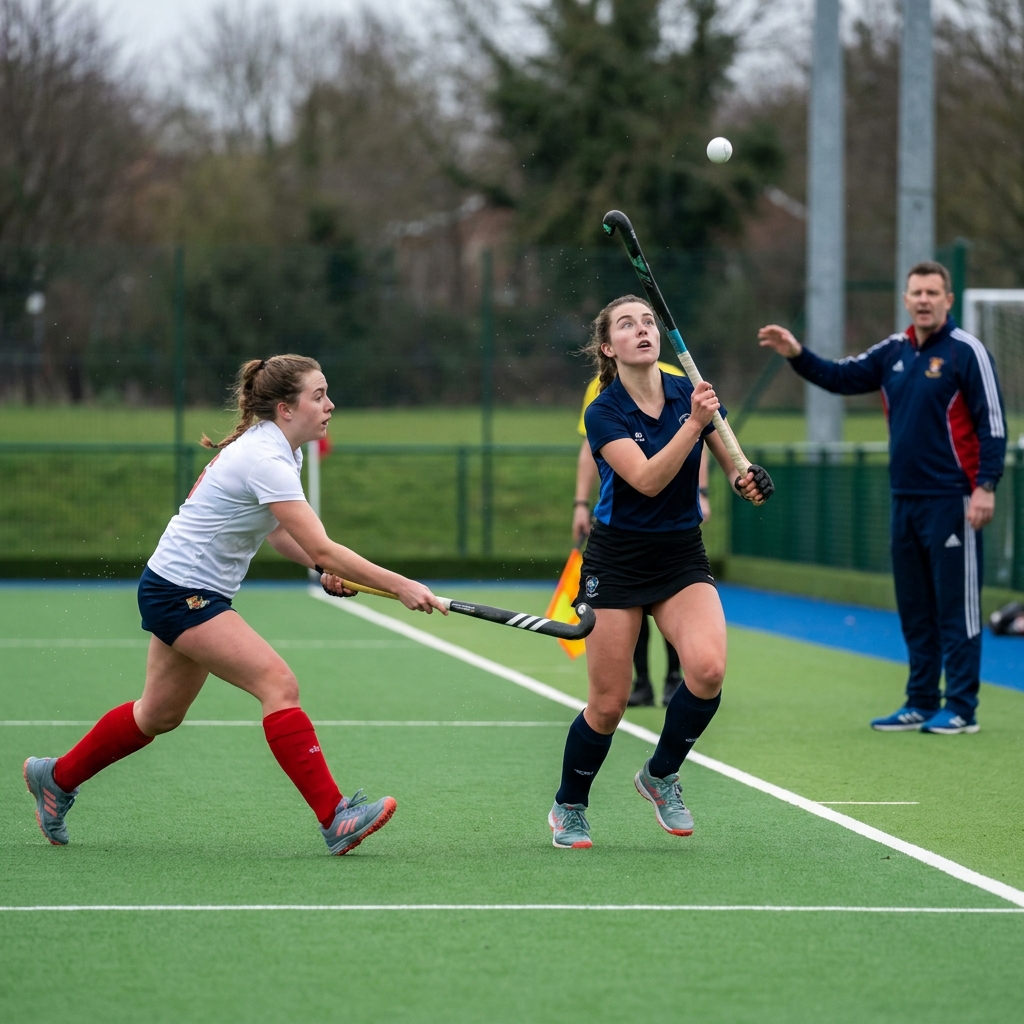
England Hockey's rule guidance for 2026/27 takes effect from 1 September. Here are the changes that will actually alter how you coach, and how to brief your squad in one pre-season session.









