








Excellent drills, very detailed videos. Useful site for my U15 boys team.

When playing 1 2 3 5 formation, the opposition choose to play 2 fwds high, how do you defend against it...

we started the season 5-1 and now mid-way it seems we are fading? we have lost our last 3 games - what are some good drills to get them focused again and pumped for the rest of the season and to get them over the hump -to the next level. thanks
how to plan training for high school to achieve the current goal championship ?
...where it will list and describe playing terminology such as shave, tackle-back, steal, forehand.

A player beats their defender. Do I leave my player to defend as I am nearest to the ball, or should I stay and hold my position?
I coach a women's team wide range in age 16 - 54 , when the stars align we are a very strong team hard to beat and very stingy when it comes to goals against, the games we do lose are usually 1-0 games,The exception comes when we play a team that plays a 1-4-4-2 ,what makes it worse is that we play a 4-4-2 and are very successful with it, but when it comes to defending against it my Defense and Mids become confused. I have not had any luck in figuring out a way to explain to my team how to defend against it. Any ideas on an easy way to fix this? Thanks
Hi all, I'm looking for drills that assist in getting my team to use both the lower and 25 line T spots. There was a 6 on 5 drill on Sportplan but I can not find it. Does anyone have any I can utilise?
Hi - I need suggestions for training on Monday. Varsity high school girls, playing on grass. Last couple of games tackling, especially body position, has been weak. Anyone got any great drills? The girls know it's gonna be a hard session..! Thx

Hi,I perhaps naively, expected to have most of our team from last year carry over and only have a few new comers to integrate and get up to speed with the rest. However meeting the team at our first practice last night i find I have five players still at school from last year and the rest all new comers, most of whom had not held a hockey stick at all till practice.This being only my second season coaching (year 9 to year 13 boys) has left me feeling a little blindsided, and feeling quite unsure how to prepare practices that target both groups of boys. Do i lump them both groups together, keep them separate? What drills/exercises to best bring the new comers up to speed.I don't want to neglect either group, keep practice worthwhile for the experienced boys, but also bringing the new comers up to a level were they can mix in with the others and learn organically from them while practicing as a team. David
With pre season looming can you give any advice as to the best training method for ladies hockey team
I have a ladies team with slow defenders who insist on playing 5-10 yards (sometimes more) off of their attacker. They do this as they say they are much slower and therefore need the space to catch up to them and as a 'buffer'. This is an argument I have heard used by a lot of slower players.I however have been arguing that they'd have more success if they marked closer and tried to prevent them from turning and gathering speed/or being within range to make the interception in the first place. They may get beaten on occasion if the player has the wherewithal to turn with skill and beat their marker, but I feel for a lot of players, the mere pressure of having a defender in close proximity may discourage them from attempting to turn and force them to play the ball backwards.My argument is that if you give a player with speed 10 yards to build up speed against you then it will be harder to stop them/catch them, especially in a wide space. The way I think about it is, if two cars are in a race, but the first one is allowed to get up to 30 mph before the start line AND is the faster vehicle, it's a no-brainer as to who will win. I'm interested to see what everyone else thinks - am I thinking about this incorrectly or does my thinking make sense?

Hi all- I am 37 years old. I played field hockey for 3 years only (in high school). As you can imagine, I'm not very good/experienced. I was a competitive soccer player which made me good enough athletically to play field hockey but anyway, the point is: I never played field hockey at a high level.I now find myself in a head coaching position. (Long story-I did coach some field hockey some years ago and had a blast but it was a while back). Anyway, I have three assistant coaches who aren't much more experienced than I am. Our high school program is VERY weak and so nobody really steps up to coach there.Basically, my question is: what do I do? I have some girls who have played but not much. Then I have girls who literally don't know how to hold their stick and are quite I athletic. We barely have enough girls to field a team. As for drills, I'm trying to use this site but if you were in my position, what specifically would you be doing with these girls so they don't lose 7-0 every game? Right now, I'm focusing on body control and comfort with the ball- (we are playing possession and they are so uncomfortable they just hit the ball away because they don't have the skills to hold). Any help you can give is greatly appreciated!Brooke Asked using Sportplan Mobile App
Hi, last season after asking here, we played the 4-3-3 formation. We took the field in this formation and played the whole game this way. This worked really well for us last season, we got promoted and finished 3rd in our new grade. However we came unstuck in the semi finals where the team we were playing identified what we were doing and played the same formation against us in the second half, leaving us unable to make any inroads for the remainder of the game.Our team is from a small school, made up of year 7-13 boys playing against larger schools of year 9-13 boys, though i would guess we played against teams at the older end of the range. We can't match others teams in age & size or depth of experience yet, so we must play smarter.What are possible alternative formations and how would the team identify the need to switch between formations?David Smith
What is the best formation and game play for 7 sides tournament in defending and attacking?
Playing adult mens at a low league level, mixture of ageing experienced players, inexperienced young and not so young players.We normally play 343 diamond, with mixed results, when I works it works well.We are without our keeper , so an outfield player (me , not so young, not so good) padding up.Really need a formation that is going to discourage pressure on the last line of defence (this section has the best, older experienced players).Bit vague and difficult to answer, I would think but a pointer would be good. Many thanks
Hi, my defense I'm worried cos two of my boys are heavy and slow. they working hard but I'm struggling to create a formation that doesn't put my defense at risk. I need your advice on what to do.
Hi all- I am 37 years old. I played field hockey for 3 years only (in high school). As you can imagine, I'm not very good/experienced. I was a competitive soccer player which made me good enough athletically to play field hockey but anyway, the point is: I never played field hockey at a high level.I now find myself in a head coaching position. (Long story-I did coach some field hockey some years ago and had a blast but it was a while back). Anyway, I have three assistant coaches who aren't much more experienced than I am. Our high school program is VERY weak and so nobody really steps up to coach there.Basically, my question is: what do I do? I have some girls who have played but not much. Then I have girls who literally don't know how to hold their stick and are quite I athletic. We barely have enough girls to field a team. As for drills, I'm trying to use this site but if you were in my position, what specifically would you be doing with these girls so they don't lose 7-0 every game? Right now, I'm focusing on body control and comfort with the ball- (we are playing possession and they are so uncomfortable they just hit the ball away because they don't have the skills to hold). Any help you can give is greatly appreciated!Brooke Asked using Sportplan Mobile App
What is the best formation and game play for 7 sides tournament in defending and attacking?
Hi,I perhaps naively, expected to have most of our team from last year carry over and only have a few new comers to integrate and get up to speed with the rest. However meeting the team at our first practice last night i find I have five players still at school from last year and the rest all new comers, most of whom had not held a hockey stick at all till practice.This being only my second season coaching (year 9 to year 13 boys) has left me feeling a little blindsided, and feeling quite unsure how to prepare practices that target both groups of boys. Do i lump them both groups together, keep them separate? What drills/exercises to best bring the new comers up to speed.I don't want to neglect either group, keep practice worthwhile for the experienced boys, but also bringing the new comers up to a level were they can mix in with the others and learn organically from them while practicing as a team. David
Need help with planning a rolling subs with 11 players and 5 subs.Keeper,4 backs, 4 midfied, 2 strikers.Any ideas please

in more ways than one
 sportplan_hockey



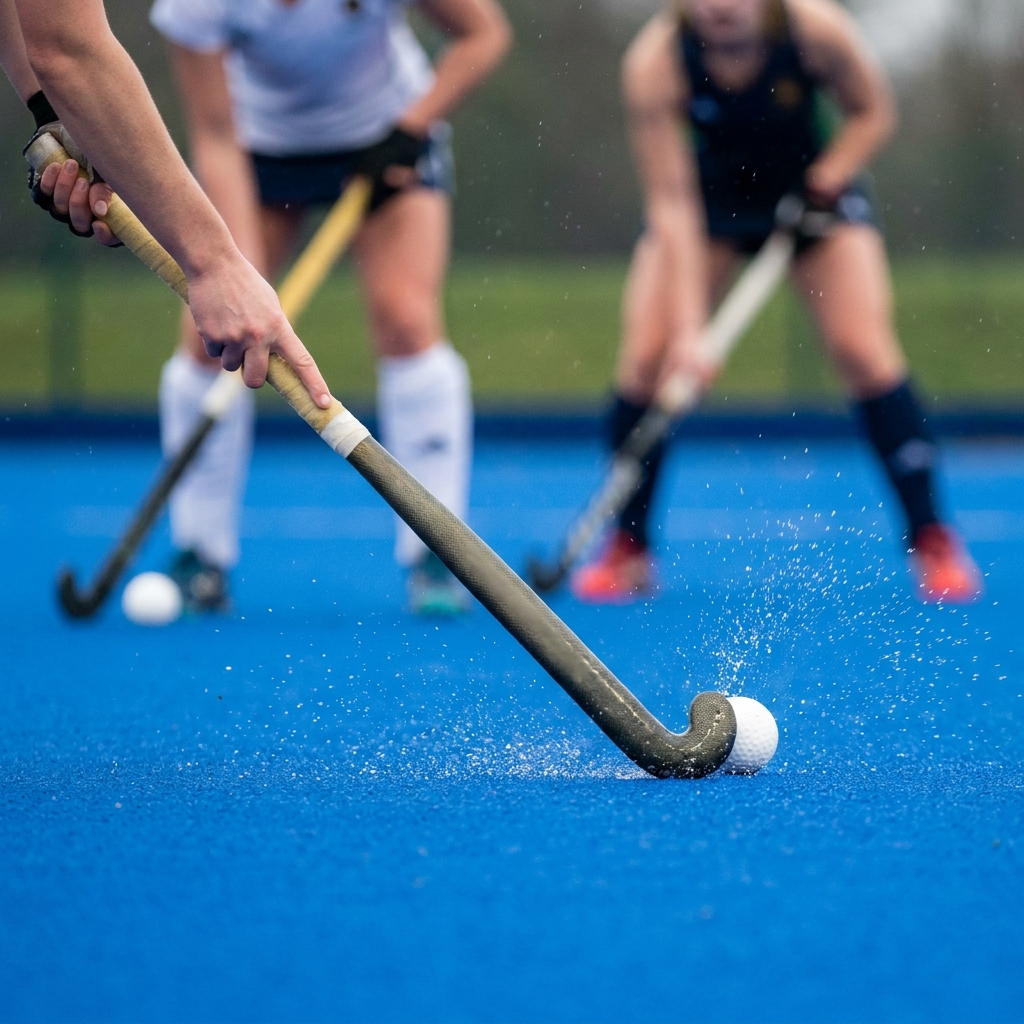
A few weeks into the league season, poor first touches are costing teams the ball. Coach body shape, scanning and receiving on the move to keep possession.
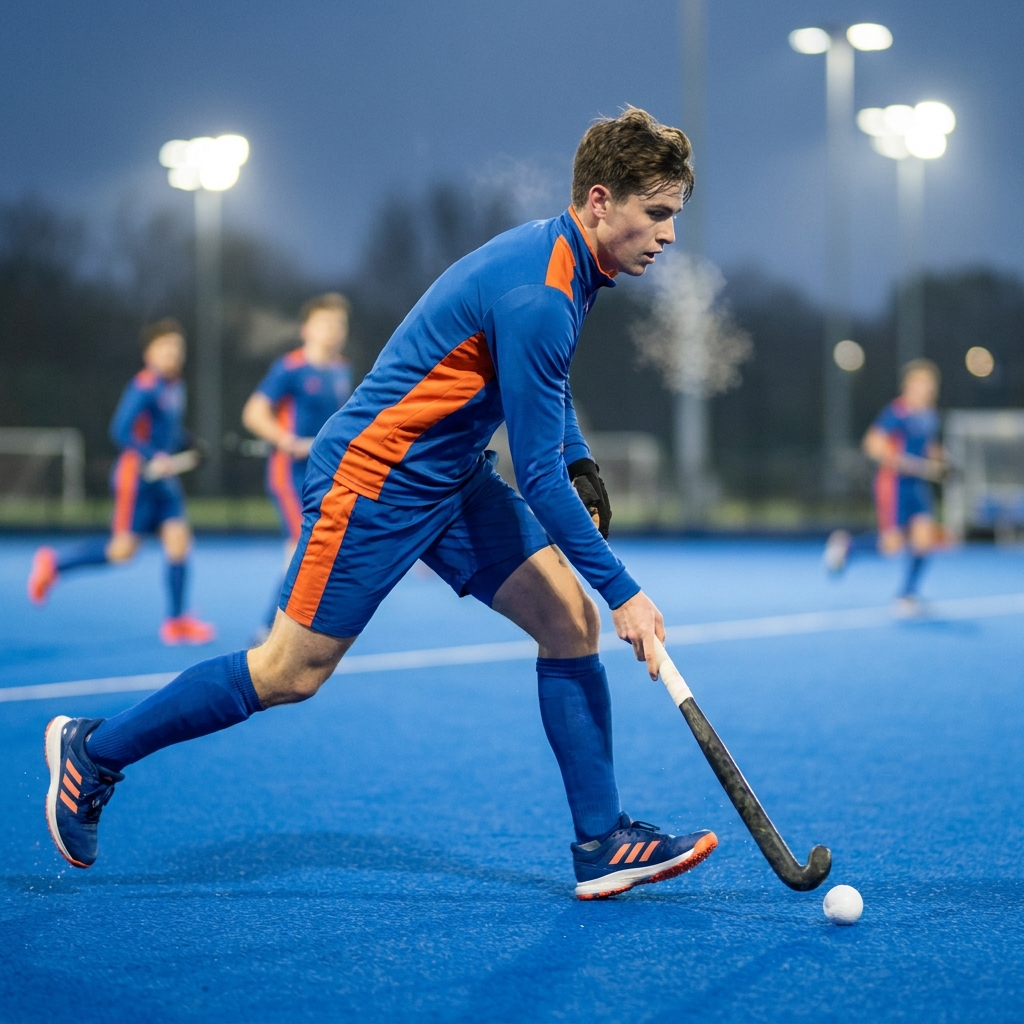
Pre-season fitness fades fast once the league starts. Build conditioning into ball work and use rolling subs well to keep your squad sharp all season.

The first weeks of the season decide whether a junior or new player sticks with adult hockey. Here is how to keep them safe, give them a clear job and build their confidence from the very first bully.
Coaches from around the world look to Sportplan for coaching confidence.
Excellent drills, very detailed videos. Useful site for my U15 boys team.

I love using Sportplan. It's been a great help for co-ordinating hockey practice and being able to help tweak skills and getting the most out of my players!

Great site. An absolute must for coaches who are willing to change and learn new drills. Superb, simply superb.

Wow what a great website, I have found sportplan an important tool for me when planning my netball sessions with my netball team. There are alot of very helpful tips/ideas/skills that I can learn and teach to my team. Thank you sportplan I hope to continue to use your helpful tips and to learn more about improving my teams netball skills. Thanks again....keep it up....

I have been using Sportplan now for 3 years and can honestly say that I have never repeated the same session twice. My girls are always focused and are improving every year. Thanks Sportplan.
What a fantastic tool. The Chalkboard and session tools make an unbelievable difference in making training plans in both time and organization. I will be instructing all of my assistant coaches that this tool must be used for all sessions during the season, so that we may build a club coaching resource library.
I can't get enough of the Sportplan, It has given me back the enthusiasm i was starting to lose. My girls are so keen and are ready at 14 to take the next up in their game. Sportplan will help no end.



