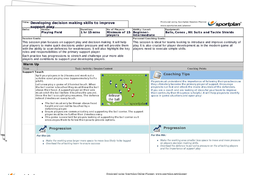
Being able to support the play for the opportunity for an offload or to quickly get the ball out of the ruck is a great way to continue an attack and will not allow opposition defence to set. However to be able to offer the support, you need to develop your players decision making and ensure they know their roles and responsibilities.
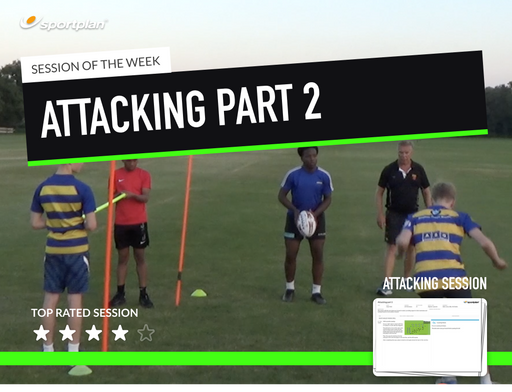
Continue the attack through good decision making.
What's in the session?
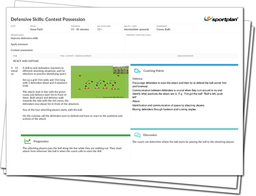
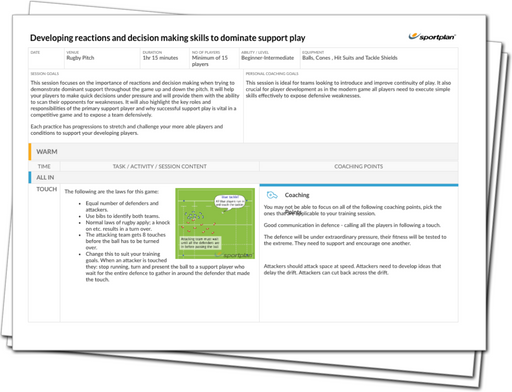
Warm up with a dynamic exercise, playing support touch to engage the players minds and bodies, ready for the session. In the technical part of the session, the practices work the players physically, ensuring they support the play when it breaks down, but also mentally. Encourage them to be reading the game so that they’re a few step ahead to be able to anticipate the following phase and to support accordingly. Finally, the modified game continues to test their support in a a game specific environment.
Technique Focus - Improve decision making to be a step ahead of the play mentally, to offer the most effective support.
Continue your attacks by staying a step ahead mentally.
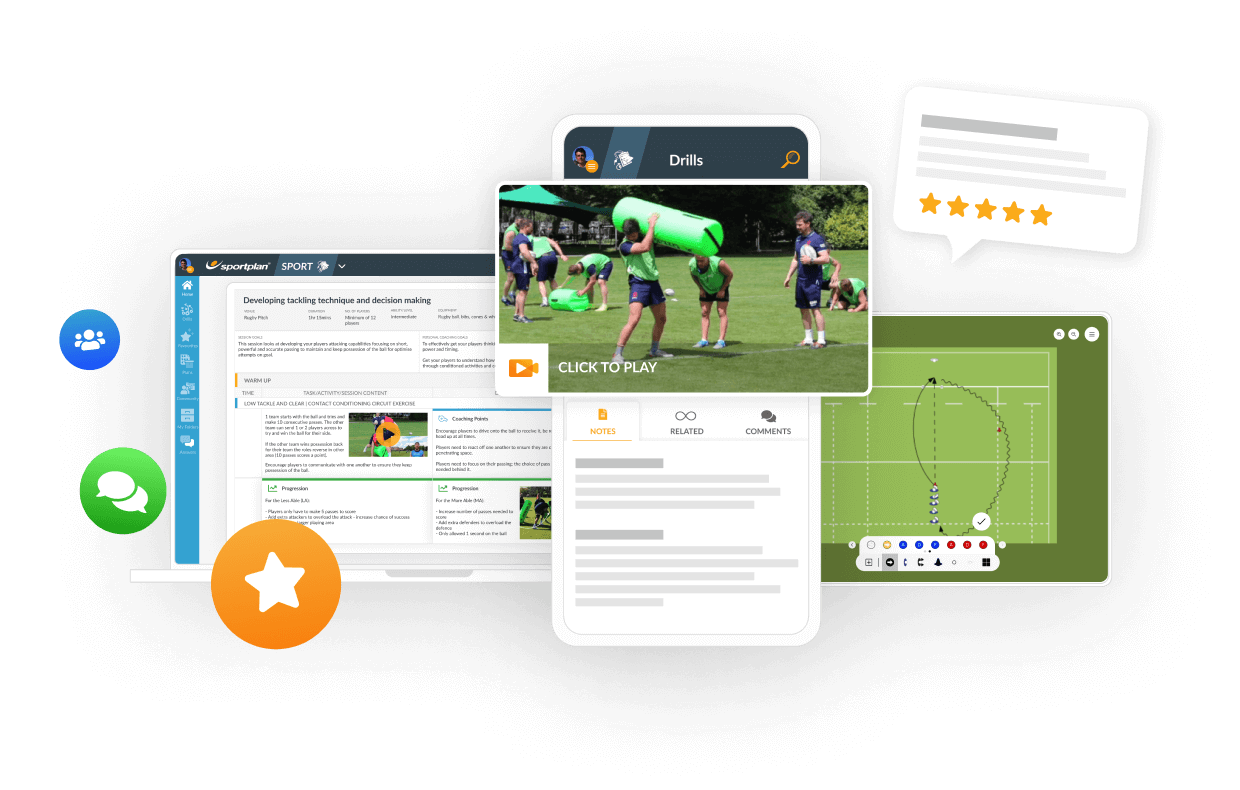
in more ways than one
 sportplan_netball

in more ways than one
sportplan_rugby

Tacklers are aiming lower, so carriers who dip late put heads at risk. Teach footwork, a strong early body height and leg drive to win the collision safely.

The hooker's brake foot moved from trial into full law in July 2026. Here is how to coach it so your front row stays stable, legal and safe.
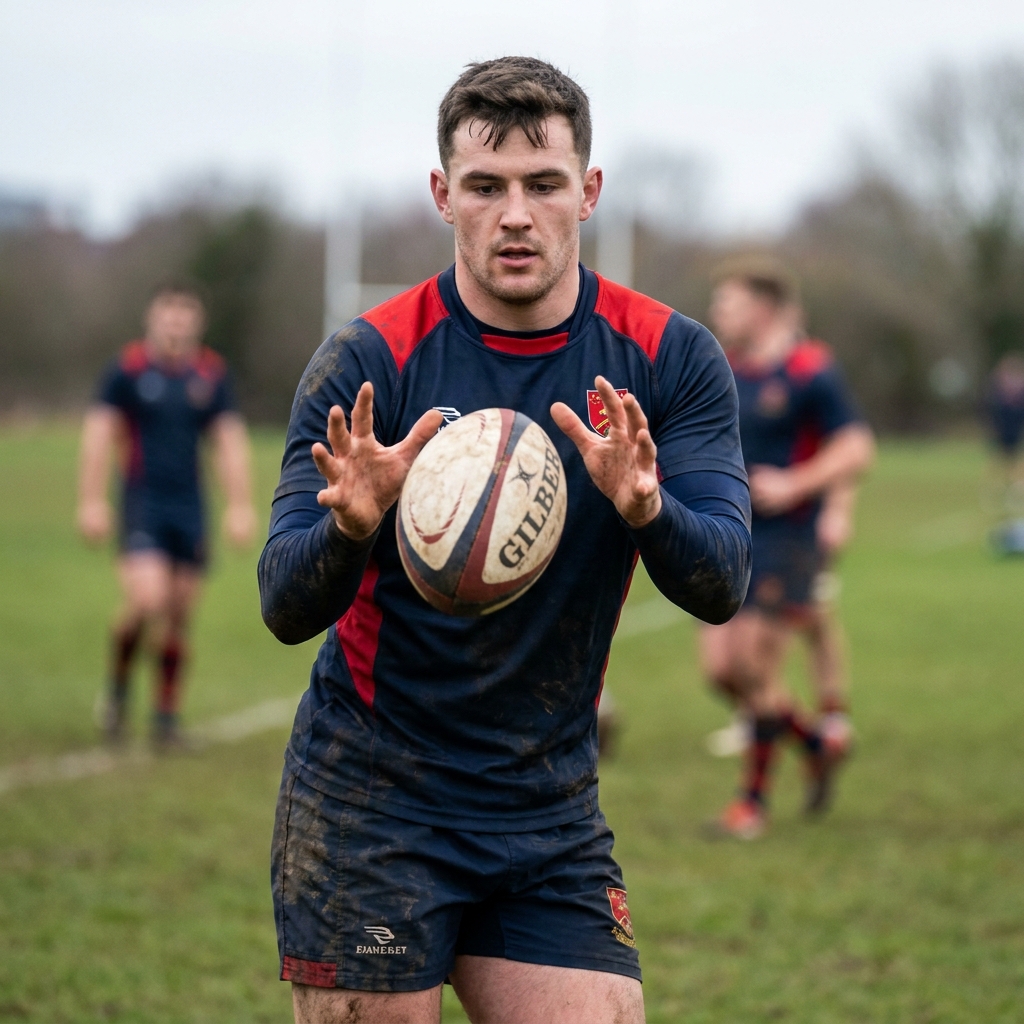
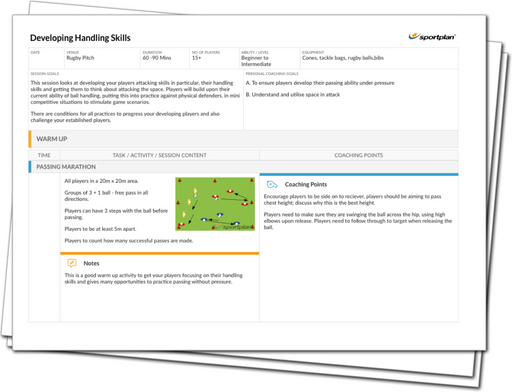
Your players can pass beautifully in a warm-up grid. Then a defender closes, their lungs are burning, and the ball goes to ground. Here is how to build catch-pass skills that hold up when it matters.