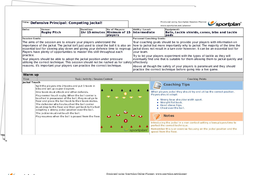
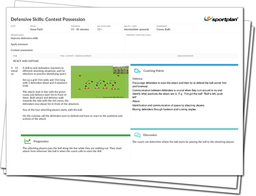
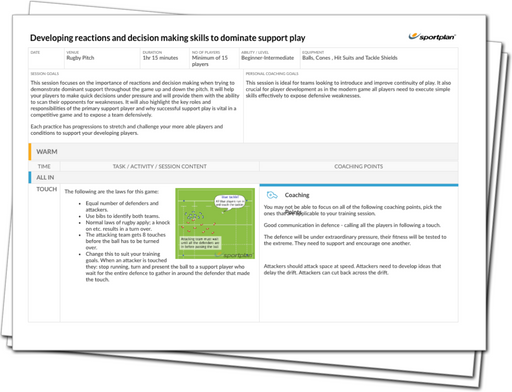
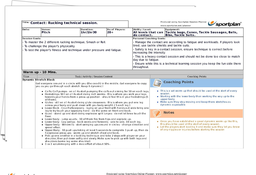
The Jackal is a great tool to have in your defensive plays. Whether it is used to steal the ball or slow down play, it’s particularly effective to regain control of the game when the opposition may just be getting on top of you. Use this session to develop an understanding of its importance in games and to perfect the technique.
Regain control when things may start to look out of it.
What's in the session?
Kick-off the session with a warm-up game of Jackal Touch. When the player in possession gets tackled, the tackler must drop to the floor and get back to their feet to jackal for possession. This practice is a great way to get the players into the mindset of competing for the ball once the tackle has been made. Once the players have understood the correct technique, the skill practices allow them to put it into practice, starting off at first with a 1-on-1 drill that encourages players to refine their technique plus sharpens their competitive edge to try and win the ball in the jackal ahead of their partner. The drills progress, building the jackal on top of tackles before the session draws all the practices together in a competitive game where passing is prohibited, emphasising the importance of good jackaling technique.
Technique Focus - Recognise when to slow the game down and how to go about taking the sting out of your opposition.
Develop some tactical nouse into your team and get them recognising when to slow the play and regain control!

in more ways than one
 sportplan_netball


in more ways than one
sportplan_rugby

Tacklers are aiming lower, so carriers who dip late put heads at risk. Teach footwork, a strong early body height and leg drive to win the collision safely.

The hooker's brake foot moved from trial into full law in July 2026. Here is how to coach it so your front row stays stable, legal and safe.

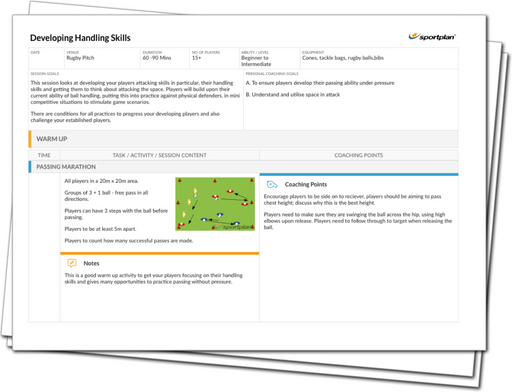
Your players can pass beautifully in a warm-up grid. Then a defender closes, their lungs are burning, and the ball goes to ground. Here is how to build catch-pass skills that hold up when it matters.