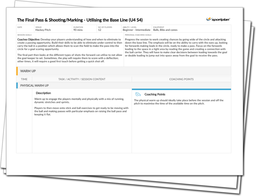
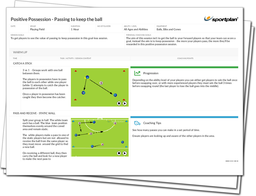
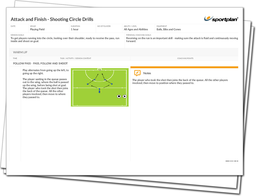
NEW CONTENT The last of the Final Pass & Shooting series gets your team utilising the baseline to attack with real threat.
Recognising when to carry and when to pass is the difference between fine attacks and a break down in play, particularly in the tight spaces of the attacking circle.
What's in the Session?
After a full physical warm-up, the session recaps and introduces some aspects of the elimination series, focussing on the players technique to beat the defender to push the team forward and create the next passing option.
The main practice then works on your players movement on and off the ball within the pockets of the circle down the baseline. The practice initially encourages players to carry with eliminations before getting their eyes up to look for the pass to a leading attacker at the penalty spot area. The lead from the attacker is just as important as the pass, therefore really emphasise their movement. The practice uses both sides, letting the players recognise the vital parts of both sides; where they position their feet, how they carry the ball etc. The final progression introduces more complex leads for the attacker in the circle to get them moving their defender before jumping in front for the pass.
The final conditioned game see?s a smaller pitch with the two D?s very close. The tight area will emphasise when best to pass and when to carry to space or eliminate.
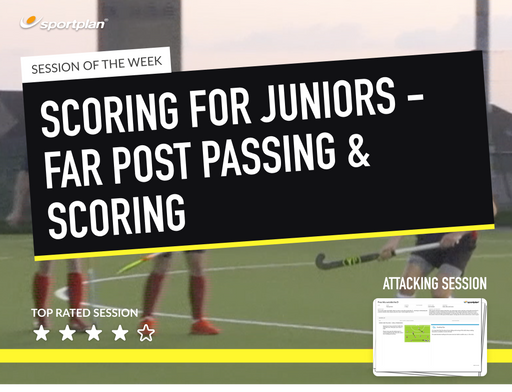
Getting the ball in the goal is the most important yet toughest part of the game so give it the attention it demands with this series of sessions designed for play in the final 23.

in more ways than one
 sportplan_netball



in more ways than one
sportplan_hockey

A few weeks into the league season, poor first touches are costing teams the ball. Coach body shape, scanning and receiving on the move to keep possession.

Pre-season fitness fades fast once the league starts. Build conditioning into ball work and use rolling subs well to keep your squad sharp all season.

The first weeks of the season decide whether a junior or new player sticks with adult hockey. Here is how to keep them safe, give them a clear job and build their confidence from the very first bully.