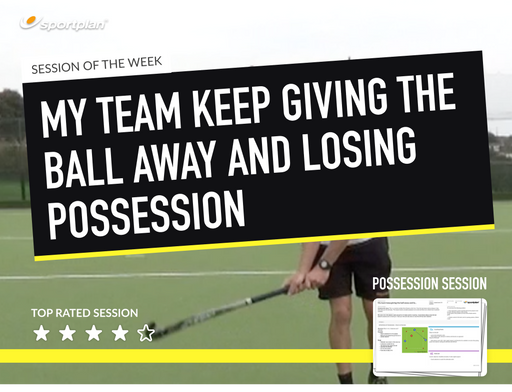
This session was designed in response to a fellow coach's complaint to me...
The complaint:
Regardless of how much space my players were in, every time they received the ball they insisted on passing first time, as if the ball were a hot potato! This meant that the ball was easily intercepted by an alert player on the other team.
The solution:
To prevent Hot Potato Passing in our next game, this session focuses solely on getting players to control the ball, before then passing it on. By controlling the ball first, your players will be able to better assess their position on the pitch and identify the best passing option (or if they're in space they may choose to carry the ball themselves).
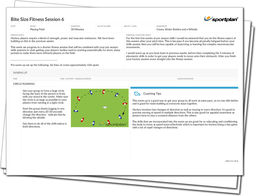
To achieve this, we start with controlling a powerful pass, before then putting players in a practice where they need to control and add to the pass, then tying everything neatly together with a fun controlling-the-ball conditioned game.

in more ways than one
 sportplan_netball



in more ways than one
sportplan_hockey

A few weeks into the league season, poor first touches are costing teams the ball. Coach body shape, scanning and receiving on the move to keep possession.

Pre-season fitness fades fast once the league starts. Build conditioning into ball work and use rolling subs well to keep your squad sharp all season.

The first weeks of the season decide whether a junior or new player sticks with adult hockey. Here is how to keep them safe, give them a clear job and build their confidence from the very first bully.