Make the forward run, look over your shoulder and receive the ball on the run. By teaching players to receive on the move you can make sure the attack is fluid, continuously moving forward and encourage your players to make penetrating runs into the circle.
What's in the session?
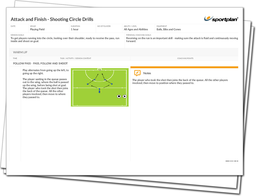
This session works on getting players to follow their pass, and in particular making sure players hit the target and test the keeper. Making fluid forward runs and creating shooting opportunities is fantastic but ultimately it means nothing if your players can't convert their chances. That's why all the drills in this session are designed to recreate match scenarios, where your forwards are running on goal and still need to beat the opposition's keeper.

in more ways than one
 sportplan_netball



in more ways than one
sportplan_hockey

A few weeks into the league season, poor first touches are costing teams the ball. Coach body shape, scanning and receiving on the move to keep possession.

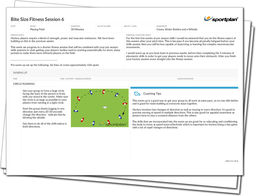
Pre-season fitness fades fast once the league starts. Build conditioning into ball work and use rolling subs well to keep your squad sharp all season.

The first weeks of the season decide whether a junior or new player sticks with adult hockey. Here is how to keep them safe, give them a clear job and build their confidence from the very first bully.