This week we bring you a hockey session with a twist as we aim to help you teach new techniques to your team without them having to wait around for ages in the cold, endlessly repeating the skill until you can come round and individually check their execution.
The motivation for this session arose from when I have previously tried to coach players the 'flat hit' during mid-week sessions and found that after 5 or 10 minutes they started to lose focus and I would have to repeatedly change the practices to maintain their interest.
In this instance an assistant coach will help you get round your group a little faster but this is still not a total solution, particularly when trying to coach difficult skills which require a lot of one to one time.
To find out how I solved this problem view this technique session with a twist where I used two separate playing areas to make sure everyone working throughout! Designed so that even if you don't get round to see all your players individually they'll still have had a great time!

A few weeks into the league season, poor first touches are costing teams the ball. Coach body shape, scanning and receiving on the move to keep possession.

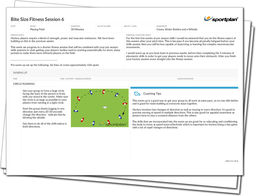
Pre-season fitness fades fast once the league starts. Build conditioning into ball work and use rolling subs well to keep your squad sharp all season.

The first weeks of the season decide whether a junior or new player sticks with adult hockey. Here is how to keep them safe, give them a clear job and build their confidence from the very first bully.


Register for FREE and get coaching tips, top drills, session and more every week!