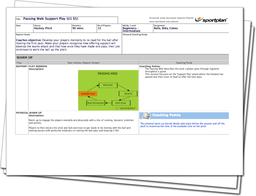
The Passing Web has so far developed the players pre-scanning to receive the ball and their post-scanning to make the pass. Now, to complete the web, we look at the support play to create options again to begin the process over once more.
After delivering the perfect pass, it’s important to continue the attack by getting ahead of the pass to re-lead for the ball back. This will help sustain an attack and make you much more of a threat going forwards.
What's in the Session?
On completing a full physical warm up, the first part of the session gets the players understanding the basic ideas of how and why they must support the play after making a pass. The game of Chaos will help develop their communication amongst teammates. The game will force them to continue practicing the previous parts of the Passing Web in order to be successful. The session progresses, continuing to develop the players mentality to see them making a pass and accelerating through to offer support and re-lead when working towards the circle. The final modified game brings all aspects of the Passing Web together by working through three zones, emphasising all aspects of making, receiving a pass and re-leading for the next connection.
After nailing the process to make the perfect pass, don’t dit back and admire, get your players pushing to receive the next pass and do it all over again! Keep working through the Passing Web Series to create players comfortable with making connections across the field!

in more ways than one
 sportplan_netball



in more ways than one
sportplan_hockey

A few weeks into the league season, poor first touches are costing teams the ball. Coach body shape, scanning and receiving on the move to keep possession.

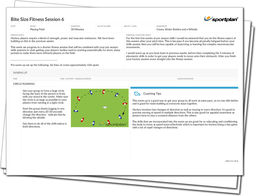
Pre-season fitness fades fast once the league starts. Build conditioning into ball work and use rolling subs well to keep your squad sharp all season.

The first weeks of the season decide whether a junior or new player sticks with adult hockey. Here is how to keep them safe, give them a clear job and build their confidence from the very first bully.