- How to perform the Drag Flick on penalty corners
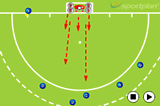
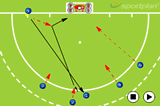
- The most common approach to penalty corners in the modern game
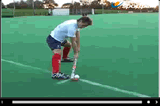
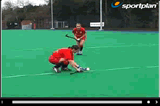
- There are 4 key steps to the drag flick. These are the approach, the pick up, the skip, and the flick.
- The approach is usually 2 or 3 steps from the head of the D. This depends on the individual
- The ball should be picked up well behind the body. Have your players place the stick on the ball as they approach without touching it until the body is well beyond the ball
- Players can rather kick their feet together or grapevine the legs during the follow through
- The flick should be performed by rotating the full body. The ball should be moved from the back foot through to the front. The entire body should then rotate to add power to the motion
- This is a very difficult skill, and requires hours of practice

in more ways than one
 sportplan_netball



in more ways than one
sportplan_hockey

A few weeks into the league season, poor first touches are costing teams the ball. Coach body shape, scanning and receiving on the move to keep possession.

Pre-season fitness fades fast once the league starts. Build conditioning into ball work and use rolling subs well to keep your squad sharp all season.

The first weeks of the season decide whether a junior or new player sticks with adult hockey. Here is how to keep them safe, give them a clear job and build their confidence from the very first bully.