Level: 3.0 Objective: Intensive groundstroke exercise for advanced players. SetupPlayers: 4 players (2 playing, 2 waiting) Court: Full court Colors: Player 1: Blue Player 2: Gray Player 3: Red Player 4: Yellow InstructionsPlayers 1 (blue) and 3 (red) start: These players play a point against each other. Ball 1: The coach feeds a ball to player 1 (blue), who plays the point from the baseline against player 3 (red). Ball 2: This happens in the same way as Ball 1; player 1 (blue) plays again against player 3 (red). Ball 3 (the money ball): The coach plays a short ball to player 1 (blue). This player must hit a powerful cross-court approach and follow it to the net. Player 3 (red) must prepare to defend and may even have to guess where the ball will go. This exercise focuses on learning good defensive techniques. Rotation: After the 3 balls, the players switch sides on the court or remain on the same side and switch roles. Players 2 (gray) and 4 (yellow) take over to play the same game. SwitchesWith 3 Players: Player Setup: Two players are active in the game while the third player stands on the side and waits. Sets: The active players play a series of 3 balls against each other. Switching: The player on the side switches in with the loser of the point. The winner stays on the active side. This ensures that players regularly switch roles, giving everyone the chance to both play and observe. With 4 Players: Staying on the Same Side: On one side, they stay for 2 sets (6 balls). On the other side, they play only 1 set (3 balls). Switching Sides: After the 3 balls, the players switch sides on the court. With 5 Players: After each set of 3 balls, they switch sides. With 6 Players: Same as with 5 players; after each set of 3 balls, they switch sides.
.
This practice has no coaching points
This practice has no progressions
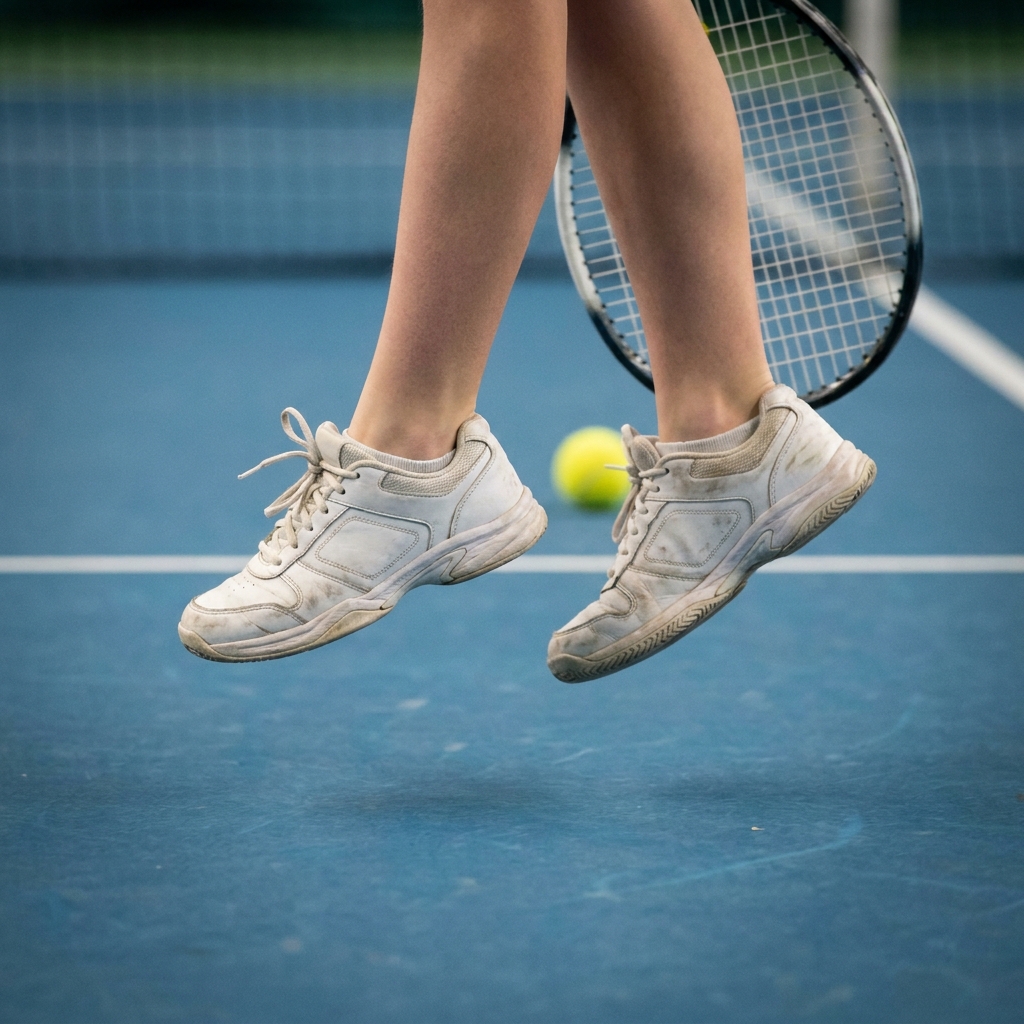
Indoor courts give players less time and less room. Help them sharpen their split step, shorten their swing and stay calm, and winter becomes a season of real progress.

A tiebreak is a short sprint where every point is worth the same as a break of serve. The players who win them are rarely the ones who hit hardest. Here is how to coach the patterns, habits and scoreboard thinking that win the big points.
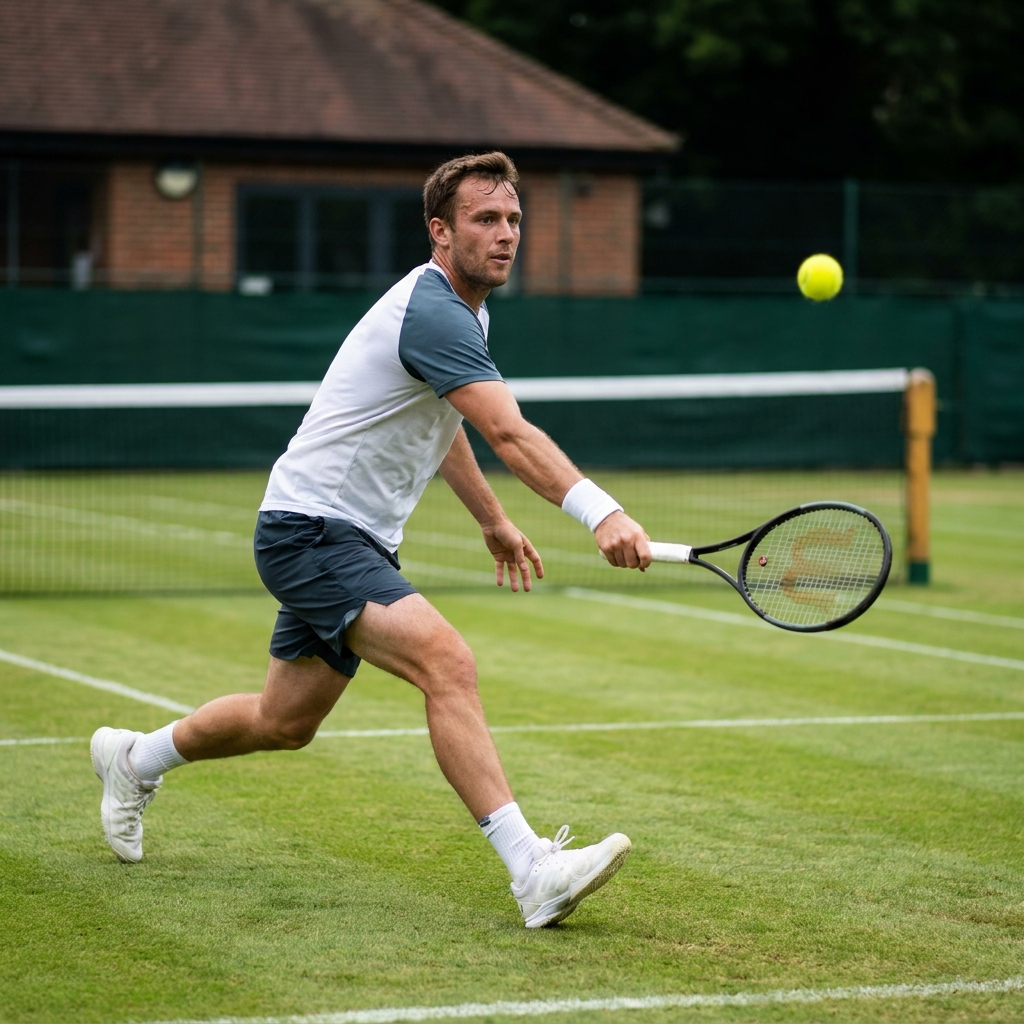
Most club players practise the serve on its own and then have no idea what to do with the ball that comes back. Serve plus one is the pattern that turns a good serve into a won point.


Register for FREE and get coaching tips, top drills, session and more every week!