Ensuring the players understand they can pass back into pace.
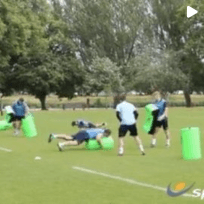
1. All players behind cones (1,2,3) 2. Player from cone 1 runs forward with the ball. 3. Player from cone 1 then pop passes the ball to player from cone 2 before the second cone and runs through thge grid and re-joins a line. 4. Player from cone 2 the pop passes the ball to player from cone 3 before the second cone and runs through thge grid and re-joins a line. 5. When the player from cone 3 has the ball they run forward and then pop passes the ball back into the middle (cone2) before the second cone and runs through thge grid and re-joins a line. 6. Passing Sequence should look like this: 1-2-3-2-1- 7. This sequence continues for however long you want. -Ensure all are calling and communicating to one another. -Ensure they have a high elbow when passing. -Ensure they look before passing.
This practice has no coaching points
This practice has no progressions

in more ways than one
 sportplan_rugby


Greasy balls and soft pitches turn tidy handling into a lottery. Here is how to coach your players to keep hold of the ball when November conditions bite.
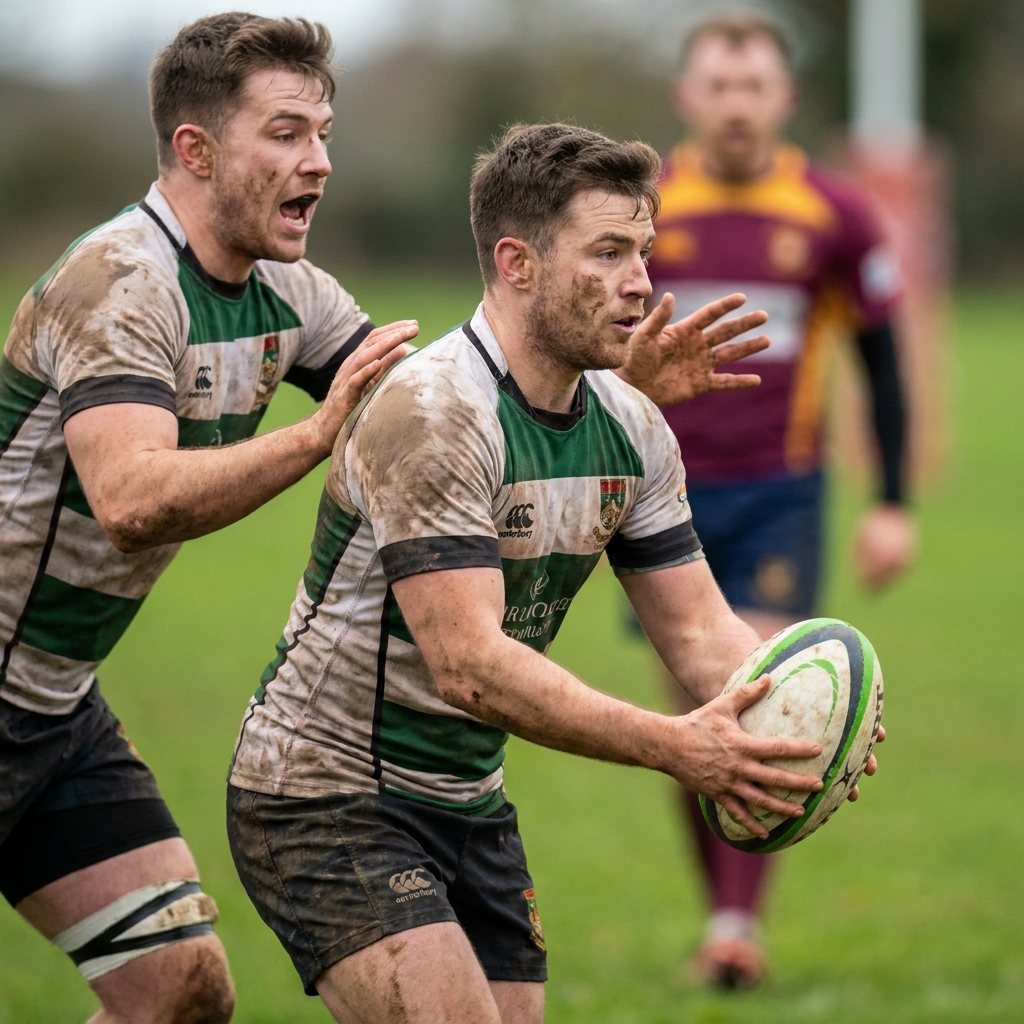
Most line breaks are made by support runners, not ball carriers. Teach the angles, depth and timing that get them there.
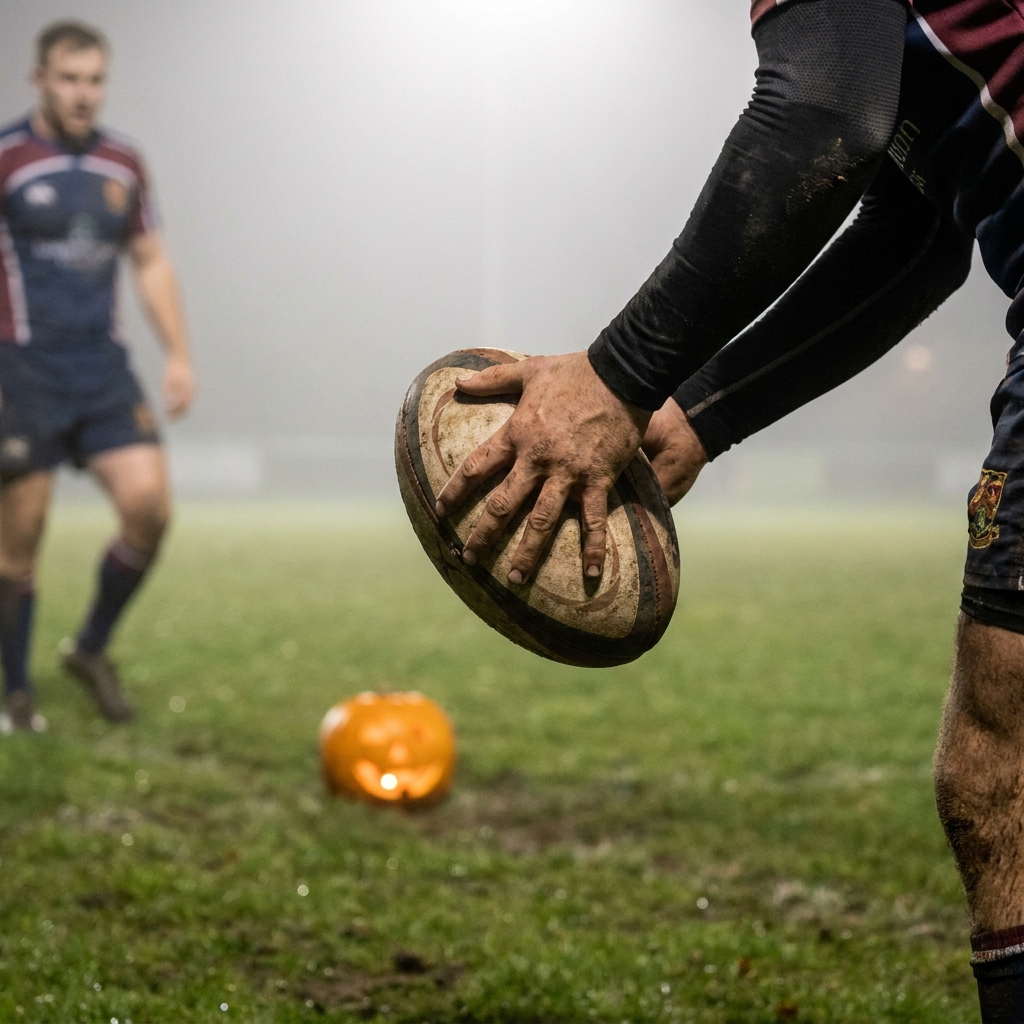
The isolated ball carrier is rugby's spookiest turnover. Here is the five-step fix, plus drills that rebuild support lines fast.