Setup: Scrum half with collection of balls 4 x running channels aligned with a little depth Group of support runners collected beside scrum half e.g. like a just-finished scrum Activity: Scrum half passes to first runner and wave begins as per any other passing wave Two runners from beside scrum half track passing wave in support lines Passing wave carriers work infield passes at different times to support runner/s Support runners accelerate then link back up with outsides
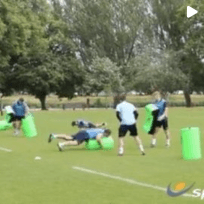
Support Runners: Runners operate as if supporting from set phase or breakdown Infield pass not always necessary, sometimes just ensure one or more support runner tracks all the way to the wing - but if he does, ensure the wing looks infield and finds him with a pass Progression: Add 1 or moredefender or a hit shield to force support runners and nearby runners to "win the contact" and keep the ball alive Encourage runners to avoid the shields / defenders rather than target them with runs. Attack spaces NOT faces.
This practice has no coaching points
This practice has no progressions

in more ways than one
 sportplan_rugby



Greasy balls and soft pitches turn tidy handling into a lottery. Here is how to coach your players to keep hold of the ball when November conditions bite.
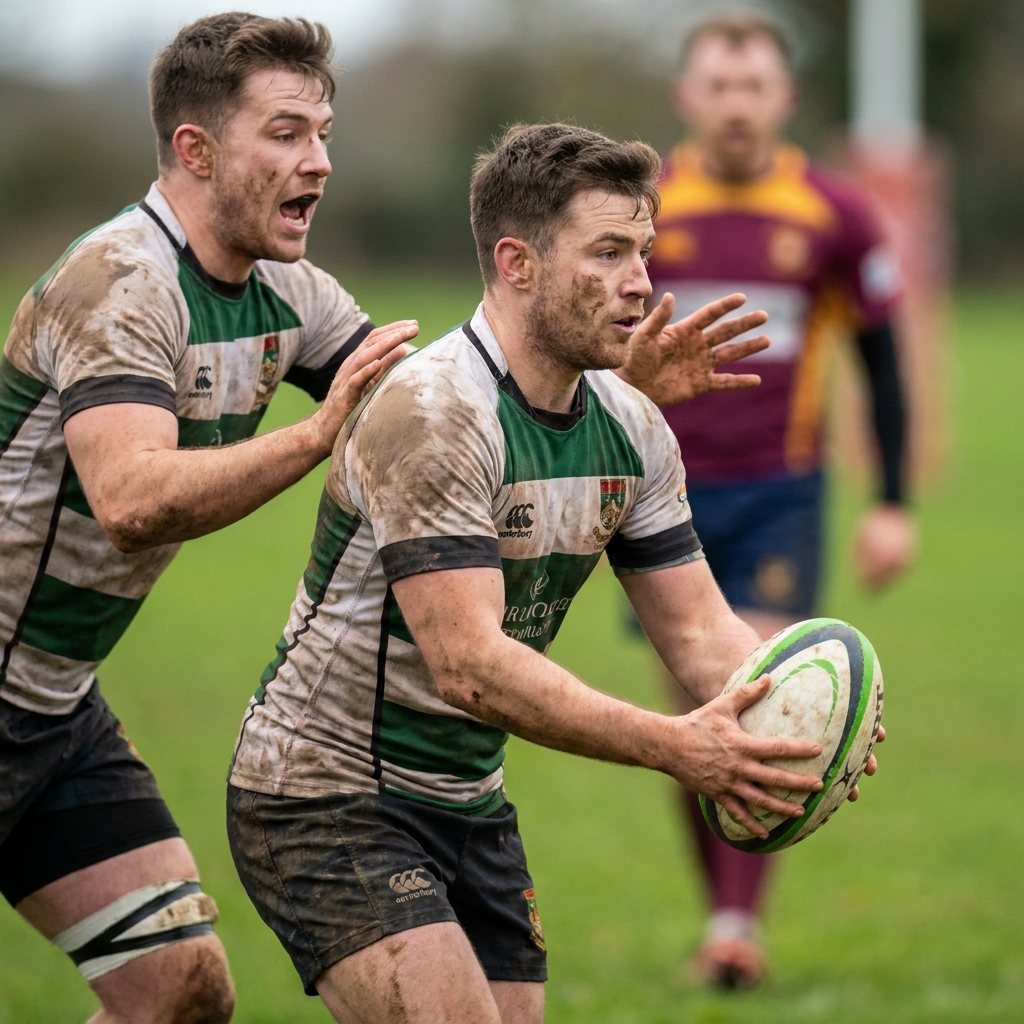
Most line breaks are made by support runners, not ball carriers. Teach the angles, depth and timing that get them there.

The isolated ball carrier is rugby's spookiest turnover. Here is the five-step fix, plus drills that rebuild support lines fast.