Part 1 Start with players facing each other 2m apart. If the group can complete 10 successive passes then move the boys 5m apart....ext Part 2 In 2s slowly jog down the pitch passing the ball. Part 3 In 3s or 4s run down the pitch and pass the ball A soon as they master it one way let them turn around at the end and come back. NB make sure they run out infront of the next player to ensure ball is passed backwards No dropped balls is the objective Nice spin passes,if they can, no looping. Its OK if you cant spin pass, a normal flat pass that is quick enough is also good Take your time, no need to rush the pass
Explain the basics: Sweep the ball off your hip as you swing your hands through an arc, keeping your elbows close to your body. Release the ball with a flick of the wrists and fingers. Follow through with your fingers pointing to the target - chest high in front of the receiver. turn your body for a comfortable body position use your arms and upper body ensure you look at the receiving player Receiving player give target, hands up away from your chest, soft hands Keep your eyes on the ball Make sure your hand 'show' where you want the ball to go after the ball left your hands Move your feet, do not be flat footed
This practice has no coaching points
This practice has no progressions

in more ways than one
 sportplan_rugby

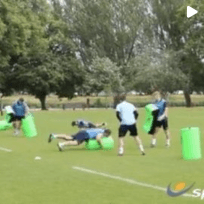

Greasy balls and soft pitches turn tidy handling into a lottery. Here is how to coach your players to keep hold of the ball when November conditions bite.
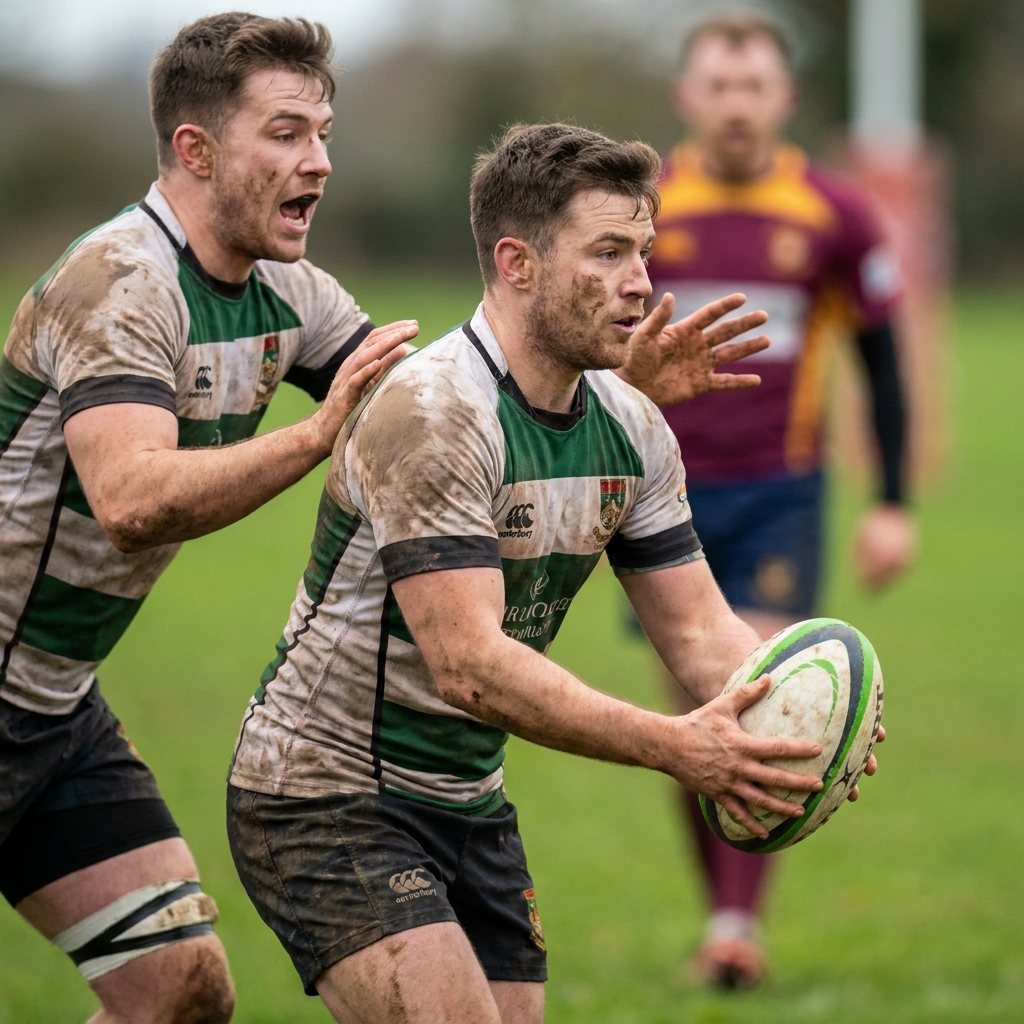
Most line breaks are made by support runners, not ball carriers. Teach the angles, depth and timing that get them there.
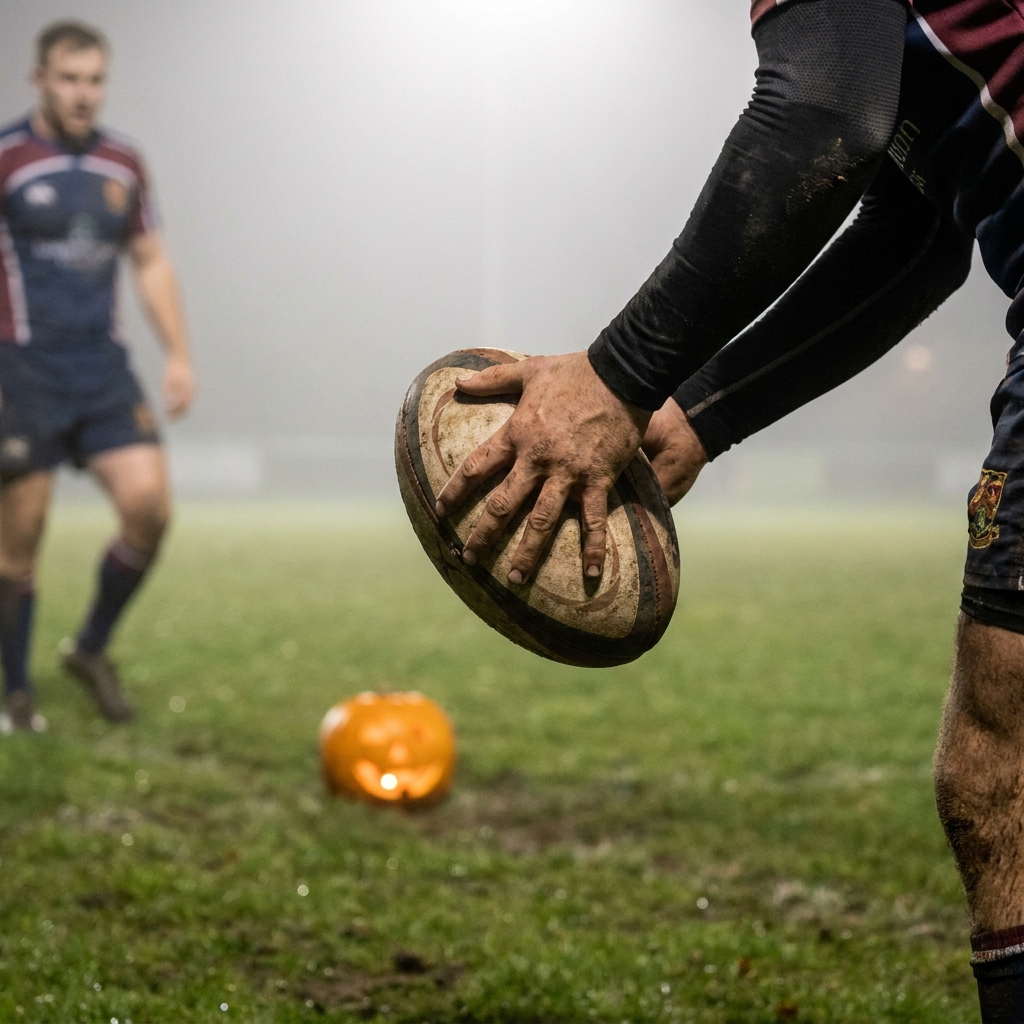
The isolated ball carrier is rugby's spookiest turnover. Here is the five-step fix, plus drills that rebuild support lines fast.