Flat line passing with no run drill.
All players start in flat line. Player with ball steps forward and passes the ball across to the next player. The next player steps forward to reach, catch and transfer ball across his body to the next player. The ball is transfered quickly across the line, with the height of the ball kept uniform. Once each player has passed the ball they walk through the gate and back around ready for the next passing wave.
If the player next in line leaves too early the passing motion will be disrupted.
Use heavy practice ball and regular rugby ball for this drill. Option to use small soccer and tennis balls as well.

in more ways than one
 sportplan_netball


in more ways than one
sportplan_rugby

Your players can pass beautifully in a warm-up grid. Then a defender closes, their lungs are burning, and the ball goes to ground. Here is how to build catch-pass skills that hold up when it matters.

A box kick or up-and-under is only as good as the chase behind it. Here is how to organise your chase line, compete in the air safely, and make sure your own catchers are ready for what comes next.
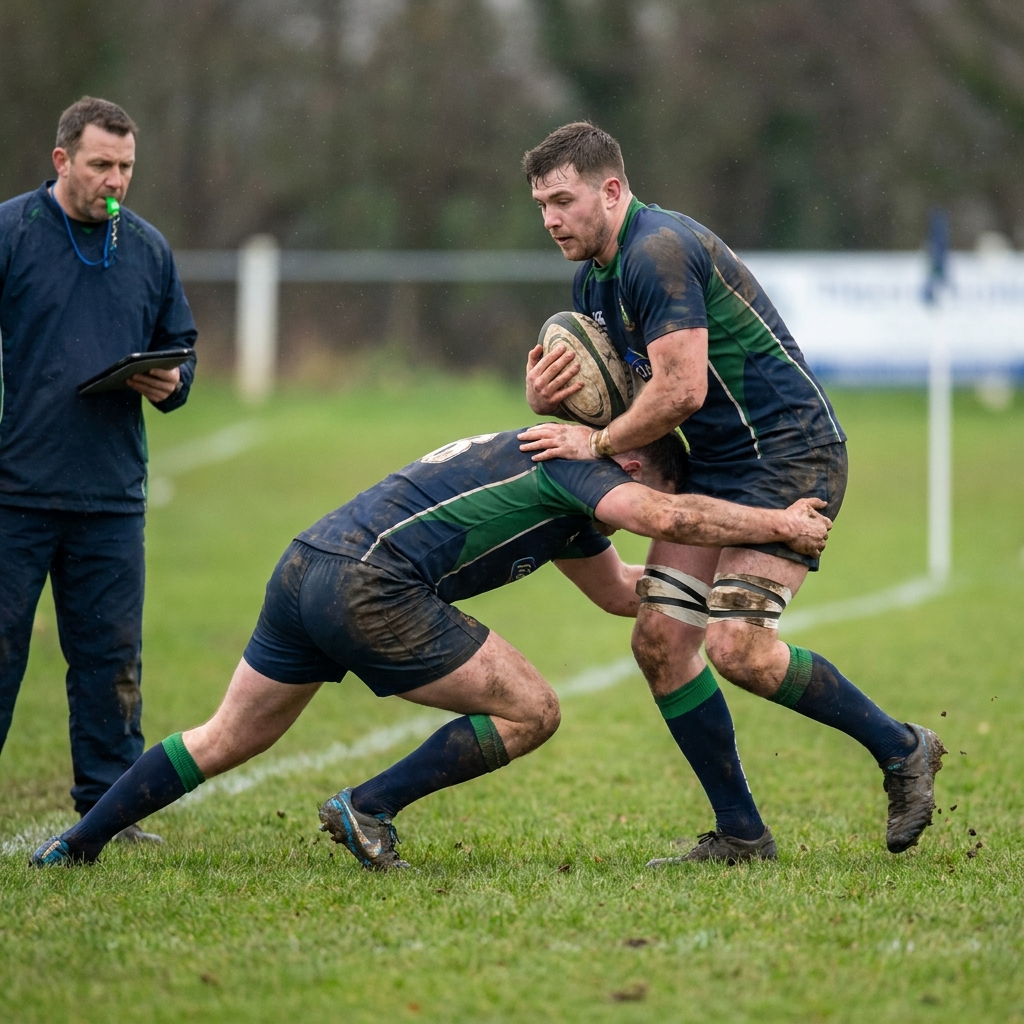
World Rugby's lower tackle height is no longer a trial. It is law in community rugby from this season, and unions choose waist or base of the sternum. Here is how to retrain your defence.