4 v 4. Game-type situation with touch to be initiated between mids about 7m from the line. Other 3 defenders start about 5m from line. Use cones to mark out an attack line with good depth and width.
1. Attacking mid starts with the ball. Play starts when defending mid touches it.
2. Defenders have to make their line. First mid pulls corner, everyone else shuts / locks in.
(Important thing is that defenders will commit to the player insider, leaving winger free.)
Ball carrier begins running short side, steps back to open side and attacks the line.
The other attackers run chop lines - beginning slightly out and stepping back in, hard. Aim is to hit the gap just being vacated by shutting defenders (can be marked by cones to help with this).
Ball carrier must read the defence and decide which pass to make - depends on how successful and tight the shut is.
Can they score themselves? Short pass to first man? Long ball?
- Make sure running lines are sharp.
- Link and wing attackers must maintain depth and run onto the ball fast.
- Decision making: explain that the passer is looking for how quickly / hard the defenders shut.

in more ways than one
 sportplan_netball
in more ways than one
sportplan_rugby
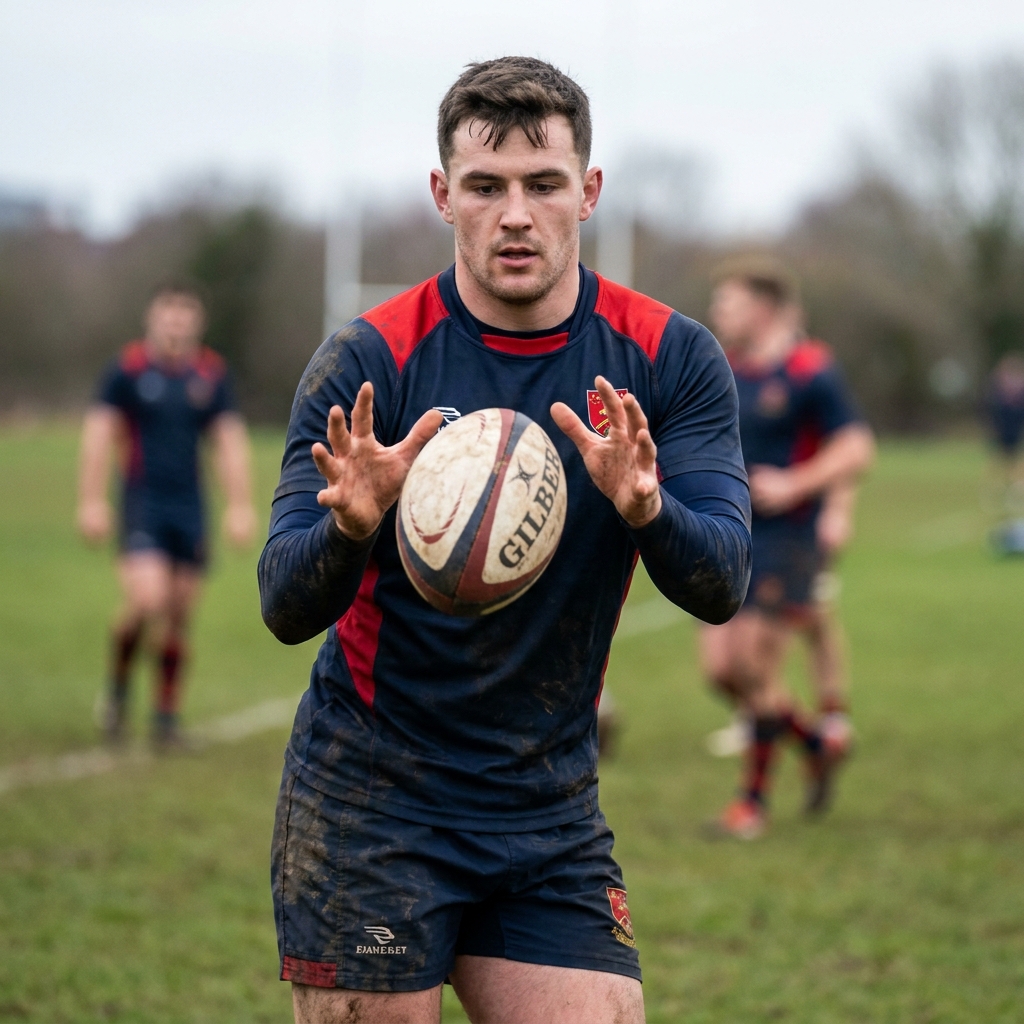
Your players can pass beautifully in a warm-up grid. Then a defender closes, their lungs are burning, and the ball goes to ground. Here is how to build catch-pass skills that hold up when it matters.
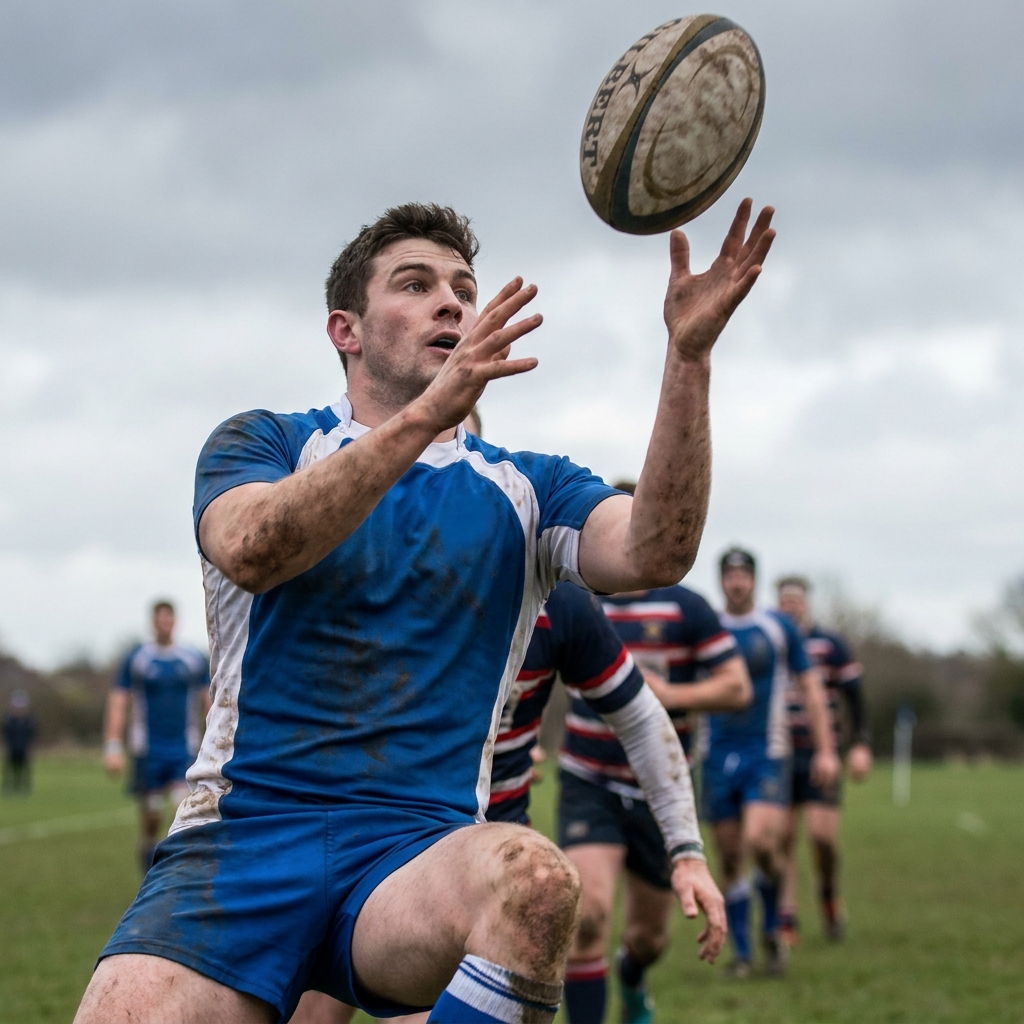
A box kick or up-and-under is only as good as the chase behind it. Here is how to organise your chase line, compete in the air safely, and make sure your own catchers are ready for what comes next.
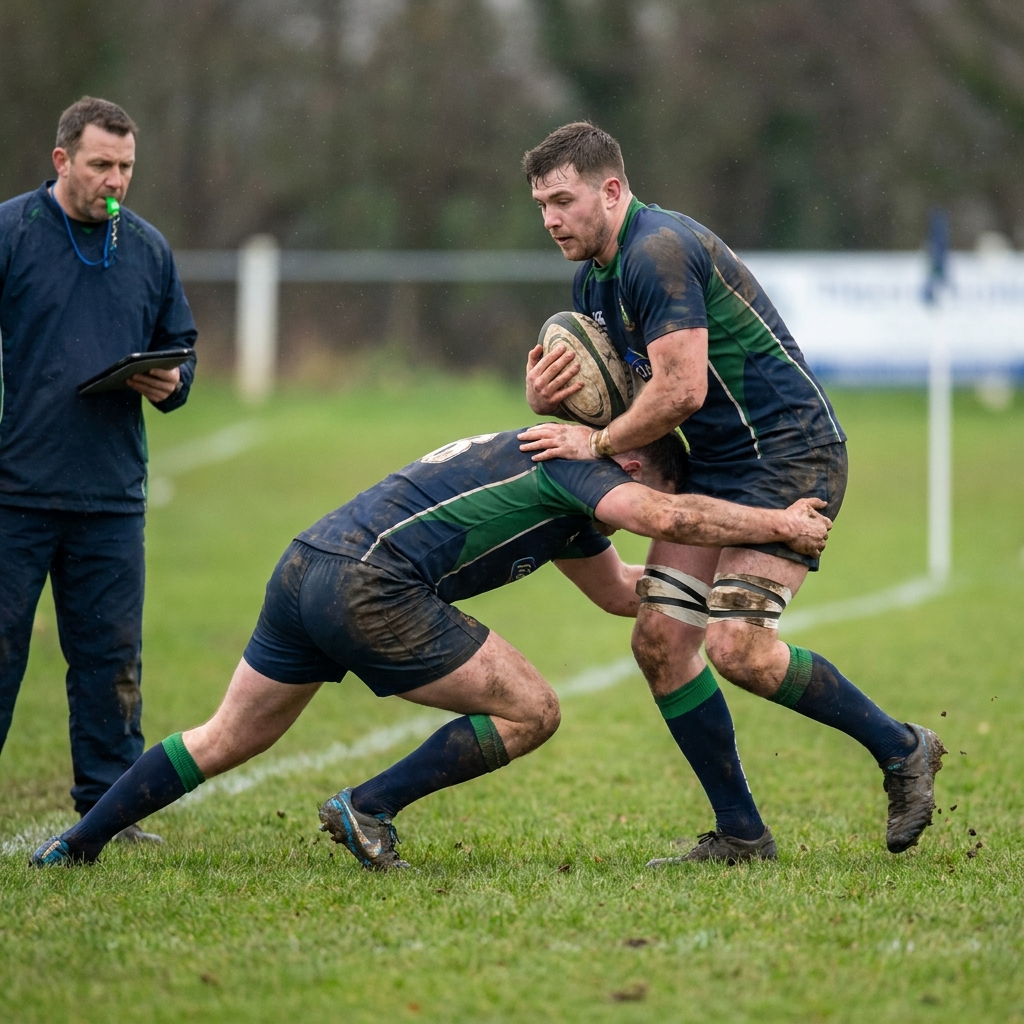
World Rugby's lower tackle height is no longer a trial. It is law in community rugby from this season, and unions choose waist or base of the sternum. Here is how to retrain your defence.