Starting on the try-line perform the following;
1- A maximal intensity pyramid
R1- Recovery – slow jog to the opposite try line
and back.
2- A maximal sprint to the opposite try line and
back.
R2- Recovery – slow jog to the half way line and
back.
3- A maximal run to the half way line and back.
R3- Recovery – slow jog to the 22m line and
back.
4- A maximal sprint to the 22m line and back.
R4- Recovery – slow jog to the 22m line and
back.
5- Same as 4.
R5- Same as R4.
6- Same as 3.
R6- Same as R2.
7- Same as 2.
R7- Same as R1.
8- Same as 1.
Players start on the bottom of the figure; Start point
(starting point) and E (end point) assists in
following 1- 8.
The complete drill = 1 Set: Perform 1-3* sets per session;
3-5 minute rest between sets
*Perform the desired number of sets, depending on the
other conditioning drills in the specific session and the
desired volume of the training session.

in more ways than one
 sportplan_netball

in more ways than one
sportplan_rugby

Tacklers are aiming lower, so carriers who dip late put heads at risk. Teach footwork, a strong early body height and leg drive to win the collision safely.

The hooker's brake foot moved from trial into full law in July 2026. Here is how to coach it so your front row stays stable, legal and safe.
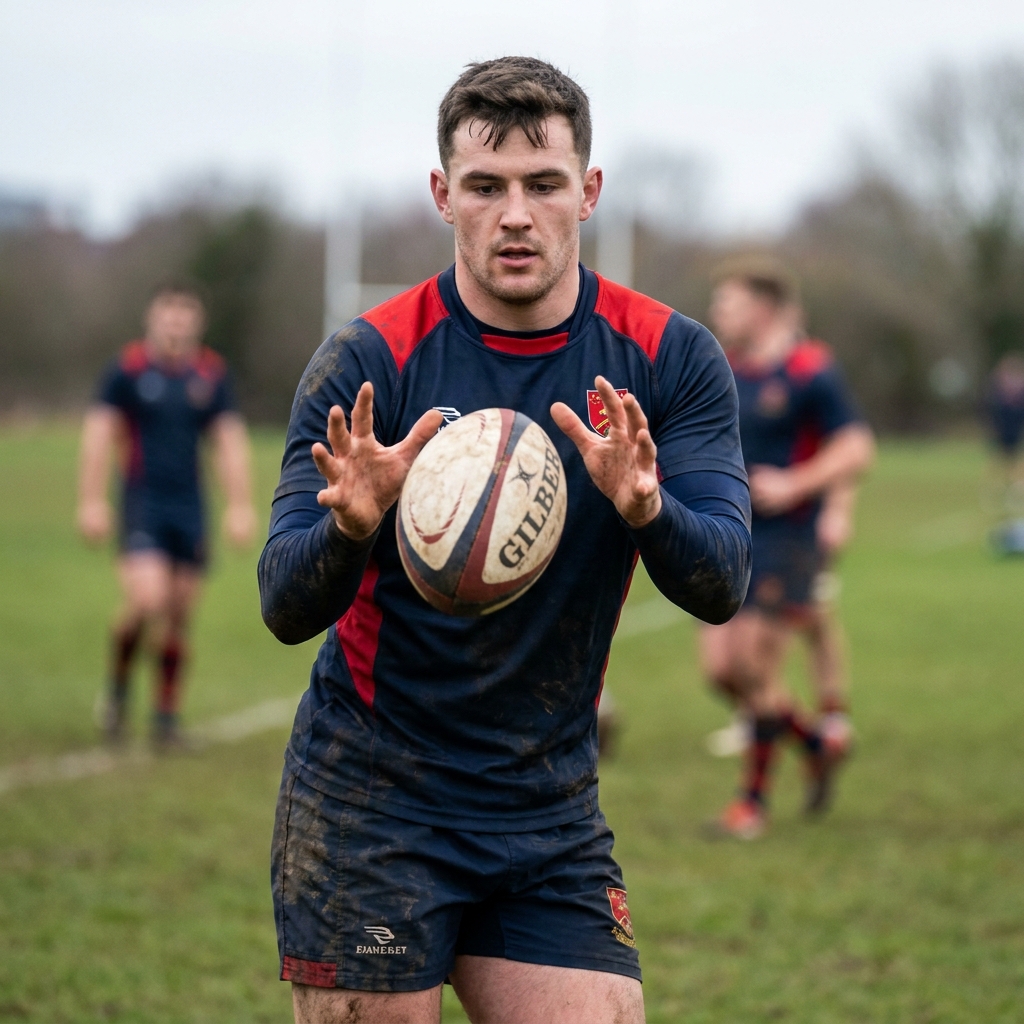
Your players can pass beautifully in a warm-up grid. Then a defender closes, their lungs are burning, and the ball goes to ground. Here is how to build catch-pass skills that hold up when it matters.