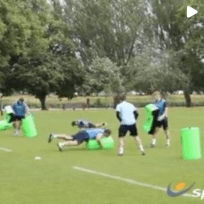
<ul><li>Have a ball carrier on the red cone closest the white cone facing off against 2 defender with rucking sheilds on the second red cone, have the same on the blue cones.</li><li>Have 3 support players on the white.</li><li>When a colour is called the ball carrier on that cone will drill into the defensive players opposite them.</li><li>The support players will run to support the ball carrier and clear out the ruck or form a ruck.</li></ul>
<ul><li>The ball carrier needs to stay on there feet as long as possible, until the support players arrive.</li><li>The ball carrier need to sucure the ball and present in back as far as possible as quickly as possible, needs to continue working on the ground.</li><li>Support Players need to react as fast, and get to the ball carrier.</li><li>Support players need to communicate with the ball carrier to let him know what to do.</li><li>Make sure the counter rucking players comes in low and drives up and over the ruck, body possition beats size every time.</li></ul>

in more ways than one
 sportplan_netball

in more ways than one
sportplan_rugby
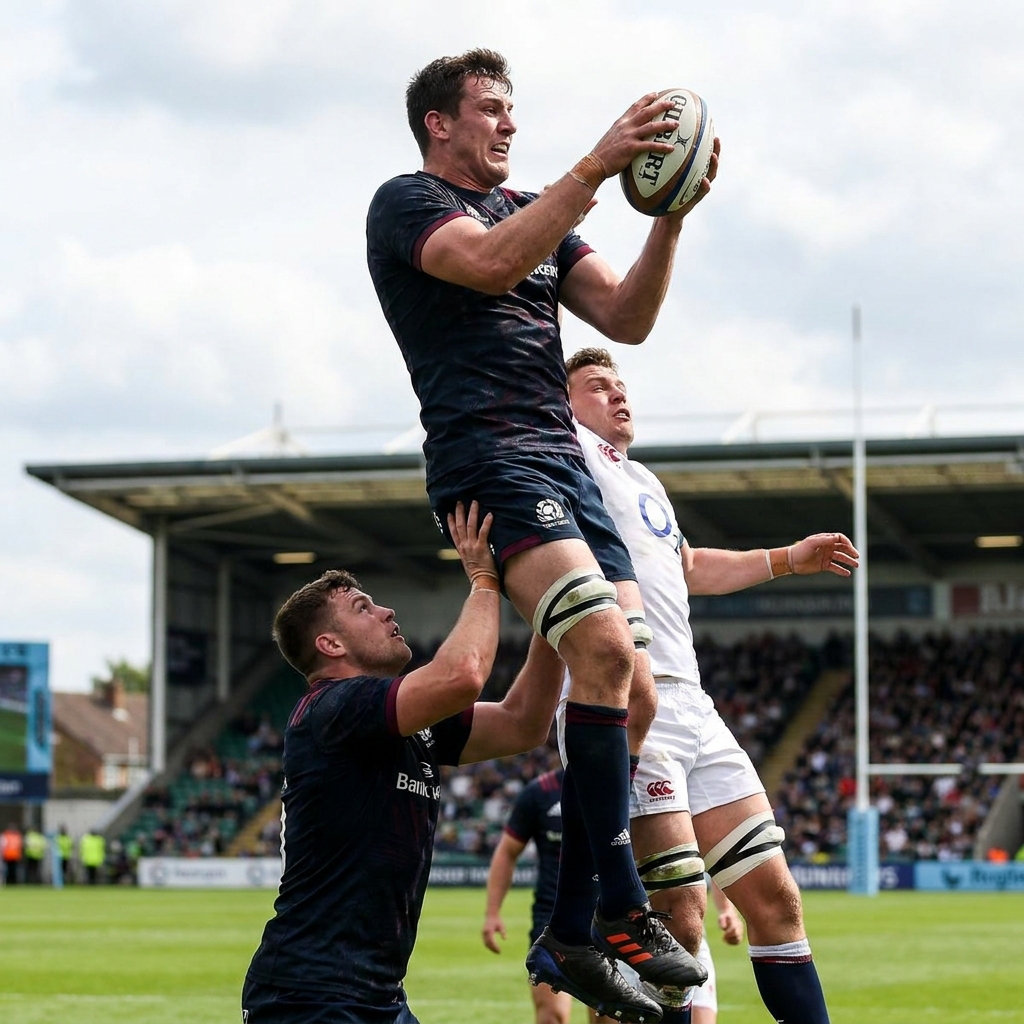
Restart kicks are now the most common set-piece in rugby and the easiest to lose. Treat them like a lineout: prepare options, drill the catch, and own the reception.
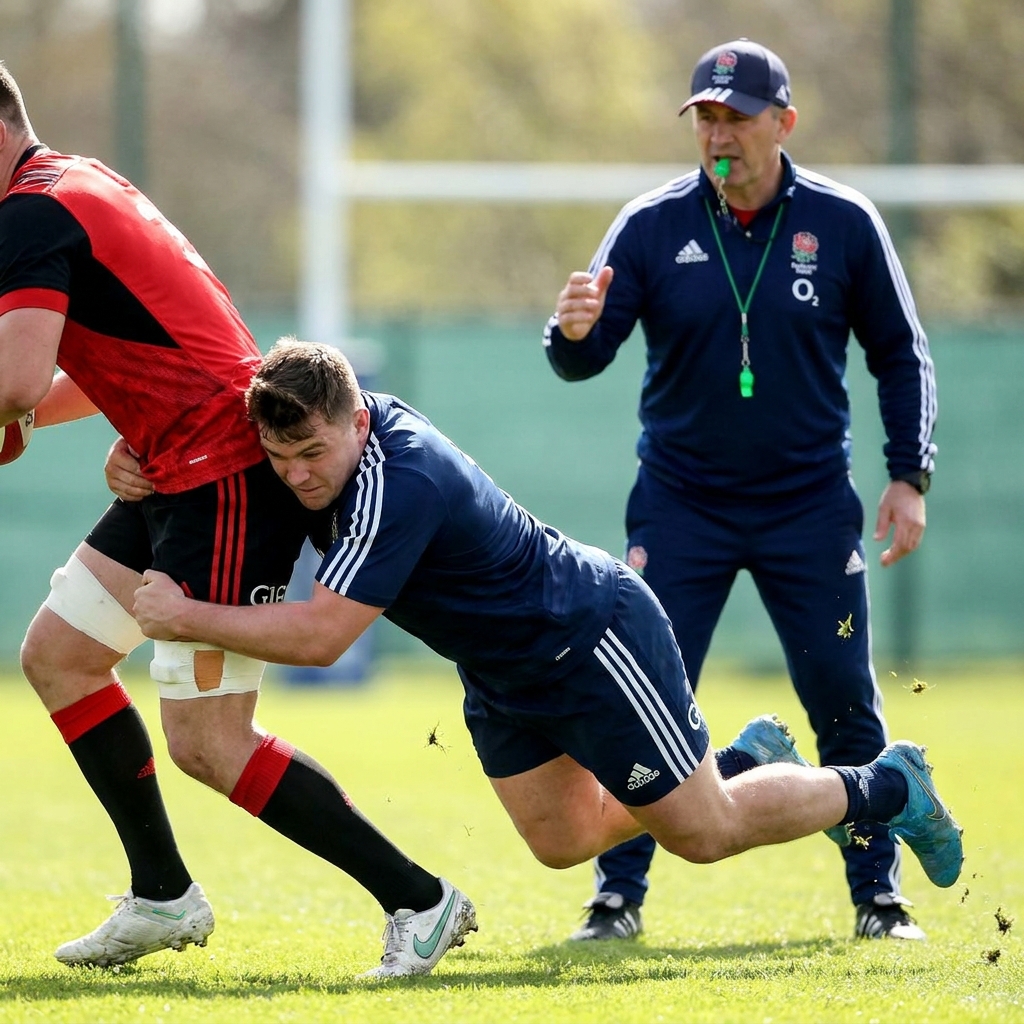
World Rugby has dropped the legal tackle height to the base of the sternum for the 2026 U20 Championship in Georgia. Here is what the trial means for coaches at every level.
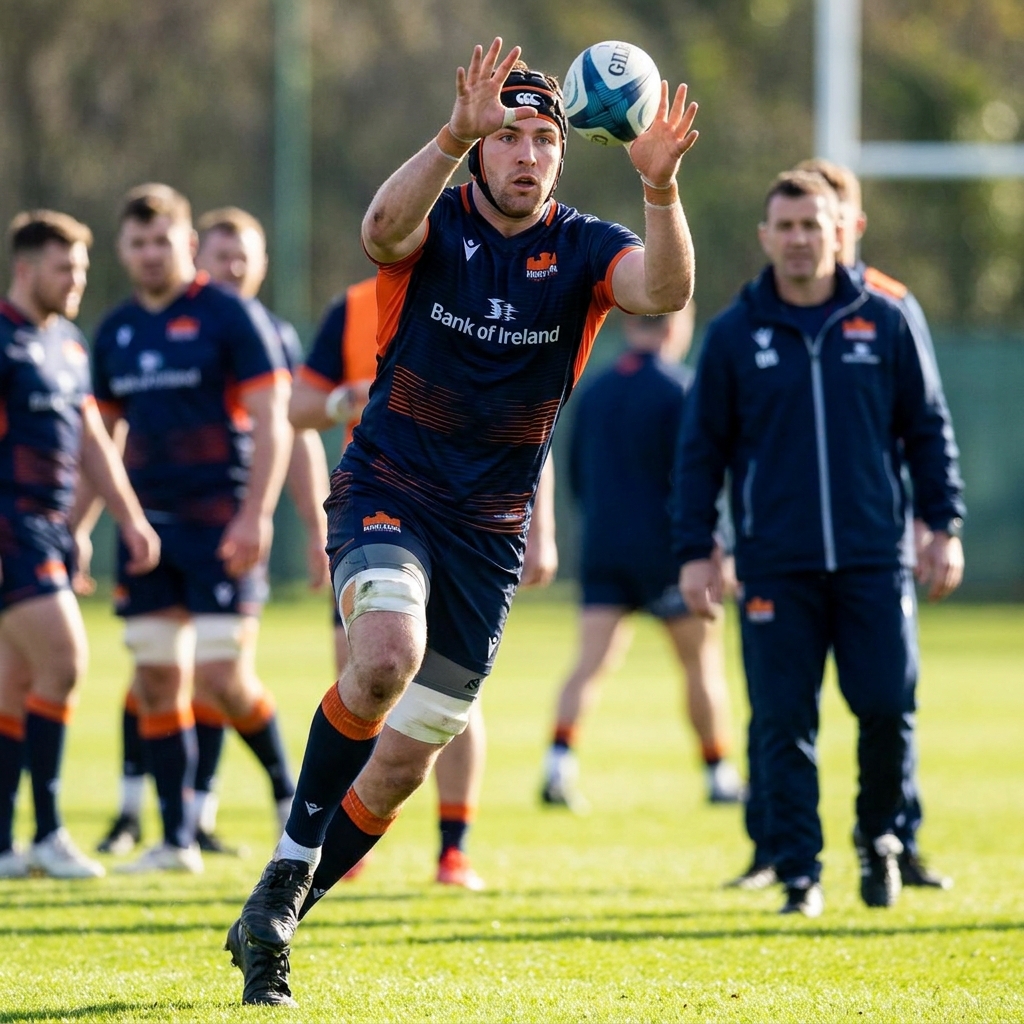
Kicking is up across the Six Nations and Champions Cup, which means counter-attack opportunities are up too. Learn how to turn a loose kick into seven points.